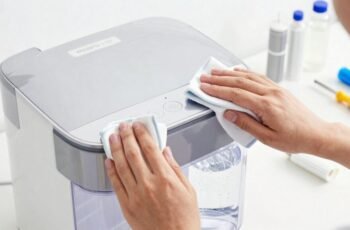
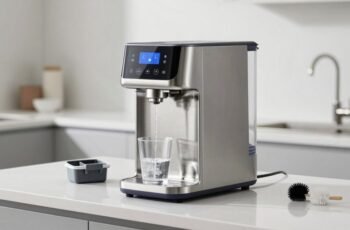
We observe how water filter performance changes immediately after replacement, how it gradually declines over time, and how various factors influence this process. Understanding these dynamics is essential to maintaining ideal water quality and ensuring safety. As we examine the indicators of diminished effectiveness and the best maintenance practices, you’ll gain insights into maximizing your filter’s lifespan and reliability, prompting the question of when and how to intervene before compromised water quality persists.
Key Takeaways
- Immediately after replacement, the filter should have full contaminant removal capacity and optimal flow.
- Water appearance, taste, and clarity should improve, indicating effective filtration.
- Regular monitoring of flow rate and water quality helps detect performance decline early.
- Signs of reduced efficiency include increased sediment, discoloration, or persistent contaminants.
- Proper maintenance and timely replacement ensure sustained filter performance and water quality.
How Does Water Filter Performance Change After Replacement?
When a water filter is replaced, its performance typically experiences an immediate improvement because the new media begins with its full contaminant removal capacity. Fresh media has not yet accumulated particulates or biofilms that can impede flow rate or filtration efficiency. The pore structure is at its best size, guaranteeing maximum adsorption and mechanical filtration capabilities. This results in reduced turbidity, lower pathogen presence, and improved taste and odor. As water passes through, the media’s active sites are fully available, providing predictable, consistent removal of targeted contaminants. However, this peak performance is temporary; ongoing use gradually diminishes filtration efficiency as media becomes saturated or clogged. Regular replacement ensures the filter operates within its designed parameters, maintaining superior performance over its service life.
Signs Your Water Filter Isn’t Working as Well as It Should
We observe that decreased water quality and an unusual taste often indicate the filter’s filtration efficiency has declined. These signs suggest contaminants are bypassing the media or that the filter media is saturated. Addressing these issues promptly guarantees peak performance and water safety.
Decreased Water Quality
Have you noticed subtle changes in your tap water’s appearance or taste? Decreased water quality often indicates that your filter isn’t performing at its best. You might observe increased cloudiness, sediment, or discoloration, suggesting the filter’s media is saturated or clogged, reducing its capacity to remove particulates. Chemical contaminants, such as chlorine or volatile organic compounds, may also persist, indicating ineffective adsorption or filtration. Additionally, a decline in water clarity or the presence of residues can point to media degradation or improper filter installation. These signs reflect compromised filtration efficiency, often due to overused media, improper maintenance, or breakthrough of contaminants. Monitoring these indicators helps identify when the filter’s protective barrier is diminished, highlighting the need for timely replacement to restore water quality.
Unusual Water Taste
Unusual taste in your tap water is often a clear indicator that your filtration system isn’t performing at its best. This anomaly may signal ineffective contaminant removal or filter degradation. Common taste deviations include metallic, chlorine-like, or earthy flavors, suggesting compromised filtration media or breakthrough of impurities. To diagnose, consider these factors:
| Symptom | Possible Cause |
|---|---|
| Metallic or bitter taste | Filter media exhaustion or corrosion |
| Chlorine or chemical odor | Insufficient carbon filtration |
| Earthy or musty flavor | Bacterial growth or biofilm buildup |
Regular monitoring of water taste and periodic filter testing help maintain peak performance. Recognizing these signs early prevents prolonged exposure to contaminants and ensures water quality remains safe and palatable.
Factors That Affect Filter Longevity and Effectiveness
The longevity and effectiveness of water filters are primarily influenced by a combination of operational factors and water quality parameters. Operational factors include flow rate, usage frequency, and backwashing practices, which directly impact filter media wear and clogging rates. Water quality parameters such as sediment load, dissolved solids, pH levels, and contaminant concentrations determine the load on the filter media, accelerating or decelerating its degradation. High turbidity or particulate matter increases filtration burden, leading to quicker saturation. Variations in mineral content can cause scaling or biofilm formation, reducing flow and filtration efficiency. Consequently, understanding and monitoring these parameters is essential for predicting filter lifespan, optimizing replacement schedules, and maintaining consistent performance.
How to Properly Maintain and Flush Your New Filter
Proper maintenance and flushing procedures are essential to guarantee your new water filter performs at its best from the outset. Initial flushing removes residual manufacturing debris and stabilizes the filter’s internal media, ensuring peak filtration efficiency. Begin by turning on the water supply and running water through the filter for 5-10 minutes, discarding this initial output to clear loose particulates and air pockets. Use a steady flow rate aligned with manufacturer specifications to prevent media displacement. Regularly inspect for leaks, and verify flow rates remain consistent. For activated carbon filters, perform periodic backflushing if recommended, to remove accumulated contaminants. Maintaining a clean, debris-free filter housing and adhering to flushing intervals ensures sustained performance, minimizes pressure drops, and prolongs filter lifespan.
Tips to Ensure Consistent Water Quality Over Time
Maintaining consistent water quality over time requires diligent monitoring and proactive interventions, as variations in water source composition and filter performance can impact output. Regular testing of water parameters—such as turbidity, pH, and contaminant levels—helps identify deviations early. Implementing a systematic sampling schedule ensures detection of performance decline before water quality deteriorates. Keeping detailed logs of test results allows trend analysis, guiding timely filter maintenance or adjustments. Additionally, inspecting the filter housing and connections periodically prevents issues like leaks or blockages that could compromise performance. Using calibrated testing devices and adhering to manufacturer guidelines ensures accurate assessments. Combining consistent testing with attentive system inspection forms a rigorous approach, effectively maintaining ideal water quality and preventing long-term system degradation.
When to Replace Your Water Filter Again: Key Indicators
Monitoring your water filter’s condition is essential because performance declines gradually and may not be immediately apparent. Key indicators include a noticeable decrease in water flow rate, which signals clogging or membrane saturation. Additionally, a change in water taste, odor, or clarity suggests the filter’s filtration capacity is compromised. Many filters have a recommended lifespan based on volume processed or time elapsed; exceeding these limits reduces effectiveness. Monitoring system alerts or indicator lights can also provide early warnings. Regular testing of water quality, especially for contaminants the filter targets, helps confirm when replacement is necessary. By paying close attention to flow rate, sensory changes, and usage guidelines, we can guarantee optimal filtration performance and prevent the risks associated with expired or saturated filters.
Frequently Asked Questions
Can a New Filter Improve Water Taste Immediately?
Yes, a new filter can improve water taste immediately by effectively removing contaminants, odors, and impurities; however, it may require some flushing to achieve ideal performance, ensuring the most accurate taste improvement for your drinking water.
Do All Filters Need Flushing Before Use?
Yes, all filters need flushing before use to remove residual contaminants and activate the filtration media. This process guarantees peak performance, prevents initial water discoloration, and ensures that the filtered water meets safety and taste standards.
How Does Water Pressure Affect Filter Performance?
Higher water pressure improves filter performance by increasing flow rate and reducing clogging risks, ensuring contaminants are effectively removed. Conversely, low pressure can hinder flow and filtration efficiency, leading to longer lifespan and potential system strain.
Are There Specific Filters Better for Certain Contaminants?
Yes, we find that activated carbon filters excel at removing chlorine and VOCs, while reverse osmosis systems are better for dissolved salts and heavy metals. Selecting the right filter depends on targeted contaminants and water composition analysis.
Can Filter Replacement Damage the Water System?
Replacing filters, if improperly installed or incompatible, can severely damage your water system, potentially causing leaks or pressure issues, which might lead to costly repairs; hence, meticulous installation and matching filter specifications are essential for system integrity.
Conclusion
By attentively monitoring your filter’s performance and adhering to recommended maintenance practices, we can guarantee the water flow remains steady and the clarity pristine. Regular inspections act as our navigational charts, guiding us past subtle signs of saturation before efficiency wanes. Through diligent care and timely replacements, we sustain a continuous flow of high-quality water—like a well-tuned engine humming smoothly—keeping your system operating at peak performance and safeguarding your health with precision.