Imagine your water ionizer as a finely tuned instrument, where every component plays a vital role in delivering pure, healthy alkaline water. Proper maintenance isn’t just routine; it’s indispensable for its longevity and performance. Neglecting key tasks, like cleaning, descaling, and replacing parts, can lead to diminished efficacy and potential system failure. To guarantee your device continues to operate at peak levels, understanding the precise intervals and methods for upkeep becomes essential.
Key Takeaways
- Clean the device monthly with manufacturer-recommended solutions to prevent mineral buildup and maintain electrolysis efficiency.
- Regularly replace electrodes every 12-24 months and filters every 6-12 months based on water quality.
- Flush and rinse the system every 1-2 weeks to prevent biofilm and mineral deposits.
- Descale using citric acid or approved descaling agents to remove calcium and magnesium buildup.
- Monitor water quality, pH, and flow rates regularly to ensure optimal performance and longevity.
How Often Should You Clean Your Water Ionizer?
The frequency of cleaning your water ionizer depends on usage volume and water quality, but generally, it should be performed at least once a month. Regular cleaning prevents mineral buildup, biofilm formation, and maintains peak electrolysis performance. For high-volume usage or hard water, bi-weekly cleaning may be necessary to avoid scale deposits that impair ionization efficiency. Use manufacturer-recommended cleaning agents and adhere strictly to the specified procedures. Monitoring water quality through testing can inform more precise cleaning schedules, especially if mineral content fluctuates. Consistent maintenance ensures the longevity of internal components, preserves water quality, and sustains consistent pH and ORP levels. Establishing a regular cleaning routine based on these parameters is vital for best operation and health safety.
Best Practices for Flushing and Rinsing Your Machine
Establishing a consistent flushing schedule guarantees the removal of mineral buildup and contaminants, maintaining ideal machine performance. Employ proper rinsing techniques by thoroughly passing clean water through all channels after each use or cleaning cycle. Adhering to these practices prevents cross-contamination and prolongs the lifespan of the ionizer.
Regular Flushing Schedule
Regularly flushing your water ionizer is essential to maintain peak performance and prevent mineral buildup, which can impair ionization efficiency. We recommend establishing a consistent flushing schedule based on water hardness and usage frequency—typically every 1 to 2 weeks. This involves running a dedicated flushing cycle with clean, filtered water to clear out residual minerals and debris from internal components. Precise timing is vital; neglecting regular flushing allows mineral deposits to accumulate, reducing the lifespan of filters and electrodes. Record each flushing session to guarantee adherence to the schedule. Additionally, always use the manufacturer-recommended flushing procedure to guarantee thorough cleaning without damaging sensitive parts. By adhering to a disciplined flushing routine, you optimize the machine’s longevity and consistent water quality.
Proper Rinsing Techniques
To guarantee peak performance, it’s essential to adhere to proper rinsing techniques after each flushing cycle. This assures removal of residual mineral deposits and prevents contamination. We recommend running fresh water through the system for at least 2-3 minutes, focusing on thorough flow through all channels. Use the following protocol:
| Step | Action | Duration/Notes |
|---|---|---|
| 1 | Activate rinsing mode | 2 minutes |
| 2 | Manually flush each outlet | 30 seconds per outlet |
| 3 | Inspect flow quality | Ensure no blockages or off-tastes |
| 4 | Refill and test system | Confirm proper operation |
Consistent rinsing maintains water purity, prolongs component lifespan, and optimizes ionization efficiency.
Replacing and Maintaining the Electrodes for Optimal Performance
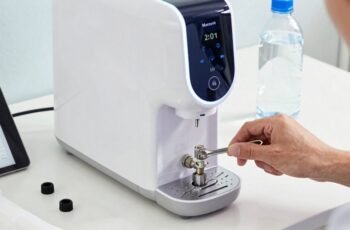
Maintaining electrode performance requires regular cleaning to prevent mineral buildup and guarantee efficient ionization. We should monitor electrode wear through performance indicators and replace them when signs of degradation appear. Proper removal and installation techniques are essential to avoid damage and maintain peak functionality.
Electrode Cleaning Techniques
Electrode cleaning is vital to preserve the ionizer’s efficiency and guarantee consistent water quality. We recommend using a non-abrasive, electrode-specific cleaning solution to remove mineral buildup and prevent scaling. Disconnect the device from power before cleaning. Gently remove the electrodes, following the manufacturer’s instructions, and immerse them in the cleaning solution for the specified duration. Use a soft brush or cloth to carefully scrub away deposits, paying close attention to the active surfaces. Rinse thoroughly with distilled water to eliminate residual cleaning agents. Proper drying ensures no residual moisture causes corrosion. Regular cleaning intervals depend on water hardness and usage, but typically range from once a month to every three months. Adhering to these techniques maintains ideal ionization performance and prolongs electrode lifespan.
Monitoring Electrode Wear
Regularly monitoring electrode wear is essential to guarantee the ionizer functions at peak efficiency. We recommend inspecting electrode surfaces for signs of erosion, pitting, or scaling, which indicate material degradation. Use a multimeter to check the electrical resistance across the electrodes; an increase suggests wear and potential performance decline. Precise measurement of electrode thickness with calipers can also identify thinning beyond manufacturer specifications. Consistent monitoring helps prevent performance issues such as inconsistent pH levels or reduced ionization capacity. It’s critical to document wear patterns over time to determine ideal replacement intervals. Maintaining accurate records allows us to anticipate electrode failure before efficiency drops noticeably. This proactive approach ensures continuous maximum operation and prolongs the lifespan of the ionizer components.
Replacing Electrodes Properly
To guarantee peak performance, it’s essential that we replace the electrodes correctly when they reach the end of their service life. Proper replacement involves disconnecting the power supply, removing the old electrodes carefully to avoid damage, and cleaning the electrode chamber thoroughly. We need to ensure the new electrodes are aligned precisely according to the manufacturer’s specifications, avoiding cross-threading or improper seating. Using the correct tools and applying gentle, even pressure ensures a secure fit without damaging the components. After installation, we should inspect all connections for tightness and cleanliness before reconnecting power. Proper electrode replacement preserves the ionizer’s efficiency, prolongs device lifespan, and maintains water quality. Regularly following these precise steps guarantees maximum performance and consistent ionization results.
How to Clean and Descale Your Water Ionizer
Maintaining ideal performance of your water ionizer requires routine cleaning and descaling, especially to prevent mineral buildup that can impair ionization efficiency. Regular descaling removes calcium and magnesium deposits that accumulate within the system’s channels, ensuring peak ion production. We recommend using a citric acid or descaling solution specific to your model, following manufacturer instructions carefully. Proper cleaning involves circulating the solution through the unit, then thoroughly rinsing to eliminate residual deposits. To emphasize the importance, consider the following:
| Mineral Buildup | Efficiency Loss | Consequences |
|---|---|---|
| Calcium deposits | Reduced ionization | Lower alkaline levels |
| Magnesium deposits | Decreased pH | Poor water taste |
| Residual solution | System corrosion | Shortened device lifespan |
| Proper cleaning | Consistent performance | Costly repairs avoided |
| Regular maintenance | Longevity of unit | Reliable water quality |
Tips for Maintaining the Water Filter and Purification System
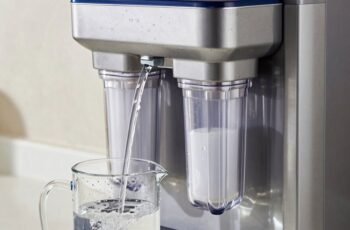
Ensuring the water filter and purification system functions ideally requires consistent inspection and timely replacement of filter elements. Regular monitoring of pressure drops and flow rates indicates filter saturation levels. Replace filters when flow rate diminishes or after the manufacturer’s recommended interval. Key maintenance tasks include:
- Inspecting for visible clogging or sediment buildup
- Flushing the system with clean water to prevent biofilm formation
- Replacing activated carbon filters every 6-12 months, depending on usage
- Verifying the integrity of membranes and pre-filters during routine checks
Adhering to these steps maintains optimal filtration efficiency, prevents system clogging, and prolongs component lifespan. Precise attention to filter condition ensures continuous delivery of purified, safe drinking water.
Troubleshooting Common Water Ionizer Maintenance Issues
Regular inspection of the water filter and purification system helps identify early signs of issues, but even with diligent maintenance, problems can still arise during operation. Common troubleshooting involves checking electrode plates for mineral buildup, which impairs ionization efficiency; cleaning them with a non-abrasive brush and appropriate descaling agents is essential. Insufficient pH levels may result from clogged filters or faulty sensors; verifying water flow rates and sensor calibration can resolve this. If the display shows error codes, referencing the manufacturer’s diagnostic chart can pinpoint specific malfunctions. Additionally, irregular water flow or inconsistent pH output often signals blockages or membrane degradation, requiring targeted cleaning or component replacement. Systematic troubleshooting guarantees excellent performance and prolongs the lifespan of your water ionizer.
Understanding When and How to Replace Your Water Ionizer Components
Understanding when and how to replace components in your water ionizer is essential for maintaining peak performance and water quality. Regular inspection identifies signs of wear or decline, such as decreased pH levels or mineral buildup. Replacement intervals vary by part:
- Electrodes: every 12-24 months, indicated by reduced ionization efficiency
- Filters: every 6-12 months, based on usage and water quality
- Carbon filters: when flow rate diminishes or after specific usage time
- O-rings and seals: during routine maintenance or if leaks develop
Proper replacement involves disconnecting the unit from power, draining residual water, and carefully removing the component without damaging adjacent parts. Using manufacturer-approved replacements ensures compatibility and preserves system integrity.
How to Keep Your Water Ionizer Odor-Free and Fresh
Maintaining an odor-free water ionizer requires consistent cleaning of filters and ensuring water quality meets manufacturer specifications. Proper storage during periods of disuse prevents microbial growth and odor development. Implementing these practices will preserve the device’s freshness and operational integrity.
Regularly Clean Filters
To prevent odors and guarantee peak performance, it’s essential to clean your water ionizer’s filters regularly. This maintenance step minimizes bacterial buildup and prevents foul smells. When cleaning, focus on removing mineral deposits and biofilms that accumulate over time.
Key actions include:
- Disassembling the filter housing according to manufacturer instructions
- Rinsing filters under cold running water to remove loose particles
- Soaking filters in a vinegar solution (1:1 ratio) for 15–20 minutes to dissolve mineral deposits
- Scrubbing gently with a soft brush to eliminate stubborn residues
Regular cleaning ensures optimal filtration efficiency, extends filter lifespan, and maintains water quality. Consistent maintenance prevents odor formation and preserves the device’s integrity, ensuring fresh, clean water with every use.
Use Proper Water Quality
Using high-quality, clean water is essential for preventing odors and maintaining the freshness of your water ionizer. Contaminants and impurities can cause unpleasant smells and compromise system performance. To optimize water quality, we recommend using filtered or purified water that meets specific mineral content standards. Low mineral levels reduce scaling and bacterial growth, which are primary odor sources. The following table summarizes key water quality parameters:
| Parameter | Ideal Range | Impact |
|---|---|---|
| Total Dissolved Solids (TDS) | 50-150 ppm | Prevents scaling and bacterial growth |
| pH | 6.5-8.5 | Maintains system balance |
| Mineral Content | Controlled levels | Reduces odor and mineral buildup |
| Chlorine | < 0.5 ppm | Eliminates residual taste and odor |
| Microorganisms | None detected | Ensures system hygiene |
Store Properly When Not Used
When the water ionizer is not in use, proper storage is essential to prevent odors and preserve water freshness. Ensuring the unit remains clean and dry minimizes bacterial growth and odor formation. Before storage, rinse the internal components thoroughly with clean water and dry all surfaces completely. Store the unit in a well-ventilated area, away from humidity and direct sunlight. Properly sealing the unit prevents dust and contaminants from entering. Additionally, disconnect electrical connections to avoid corrosion.
- Store in a cool, dry, ventilated environment
- Keep the unit upright to avoid leaks
- Cover with a breathable cloth or dust cover
- Avoid storing near strong odors or chemicals
The Role of Water Quality in Your Maintenance Routine
The quality of the water we use directly impacts the efficiency and longevity of a water ionizer. Impurities such as sediment, chlorine, and heavy metals can clog membranes, reduce electrolysis effectiveness, and accelerate component corrosion. Regular testing of water pH and mineral content helps identify contaminants that may compromise performance. Pre-treatment systems like filters or deionizers are essential for removing particulates and chemicals, ensuring ideal operation. Using high-quality, filtered water minimizes mineral buildup on electrodes, maintaining consistent alkalinity and acidity levels. Consistent water quality monitoring allows timely adjustments to maintenance routines, preventing costly repairs. Ultimately, maintaining water quality is integral to preserving ionizer efficiency, extending its lifespan, and ensuring the delivery of safe, high-quality alkaline water.
Expert Tips for Extending Your Water Ionizer’s Lifespan
Regularly performing targeted maintenance tasks can considerably extend the lifespan of your water ionizer. Proper upkeep minimizes component wear and prevents system failures. Key practices include:
- Routine cleaning of electrolytic plates to prevent mineral buildup that impairs ionization efficiency.
- Regular replacement of filters and pre-filters to maintain optimal water quality and reduce mineral deposits.
- Monitoring and adjusting pH calibration to ensure consistent performance and prevent overworking internal components.
- Flushing the system after extended periods of inactivity to remove stagnant water and prevent microbial growth.
Following these precise maintenance steps ensures the device operates efficiently, reduces the risk of costly repairs, and prolongs overall lifespan. Consistency in these practices is essential for sustained performance.
Frequently Asked Questions
Can I Use Any Cleaning Solution for My Water Ionizer?
You shouldn’t use any cleaning solution for your water ionizer; instead, use manufacturer-approved descaling and cleaning products. Using improper solutions can damage components and void your warranty, so always follow the recommended maintenance procedures.
How Do I Know When to Replace the Electrodes?
When the electrodes show signs of corrosion or reduced ionization efficiency, it’s time to replace them. Regular performance monitoring reveals these signs, helping us maintain ideal water quality by ensuring the electrodes’ active surfaces remain pristine and functional.
Is It Necessary to Disconnect the Unit Before Cleaning?
Yes, it’s necessary to disconnect the unit before cleaning to prevent electrical hazards. We always unplug the device, guarantee water flow is off, and then proceed with cleaning to maintain safety and prevent damage to internal components.
What Are the Signs of a Failing Water Filter?
We notice that a failing water filter often shows up as reduced flow rate, increased filter replacement frequency by 50%, or a noticeable change in water taste, indicating it’s time for a replacement to maintain ideal filtration.
How Often Should I Calibrate My Water Ionizer?
We recommend calibrating your water ionizer monthly to guarantee ideal performance. Regular calibration maintains accurate pH levels, prevents mineral buildup, and prolongs device lifespan, ensuring consistent, high-quality alkaline and acidic water production for your needs.
Conclusion
By following these meticulous maintenance practices, we can guarantee our water ionizers perform at lightning speed, outlast entire generations, and produce the purest, most energizing water known to humankind. Regular cleaning, timely component replacements, and vigilant water quality monitoring transform our machines into unstoppable, everlasting marvels of technology. Invest in diligent upkeep, and you’ll release a water purification powerhouse that defies time, ensuring maximum health benefits and unmatched performance for decades to come.