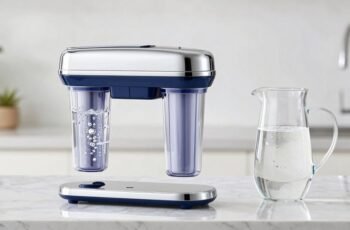
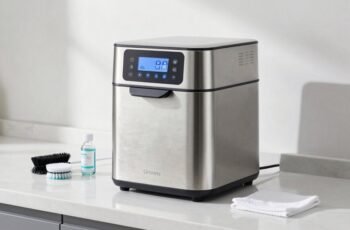
Maintaining the filtration system in your water ionizer is critical for ensuring consistent water quality and system longevity. Replacing the post-filter at appropriate intervals prevents contamination and preserves peak taste and health benefits. However, understanding the signs, proper procedures, and best practices can be complex without clear guidance. We’ll explore the essential steps and considerations involved in post-filter replacement, helping you avoid common pitfalls and keep your system running efficiently.
Key Takeaways
- Recognize signs of filter wear, such as decreased flow, off-taste, or discoloration, to determine when to replace the post-filter.
- Turn off water and power, then carefully open the filter housing to remove the old filter without damage.
- Ensure the new filter is compatible, properly seated, and securely installed to prevent leaks and maintain system performance.
- Flush the system for 5–10 minutes after installation to remove air and debris, ensuring clean water flow.
- Regularly monitor water quality and flow rate to schedule timely filter replacements based on usage and manufacturer guidelines.
How to Know When It’s Time to Replace Your Post-Filter
Determining when to replace your post-filter is vital for maintaining ideal water quality. The primary indicator is a noticeable decline in water taste and odor, signaling reduced filtration efficiency. Additionally, increased pressure before the filter suggests clogging, which can compromise water flow and filtration performance. Regular monitoring of usage duration, typically recommended every 6 to 12 months depending on water quality and volume, provides a guideline for timely replacement. Conducting routine visual inspections for discoloration, sediment buildup, or mold is also essential. If your system’s manufacturer specifies a maximum operational lifespan or volume capacity, adhere strictly to these parameters. Consistent evaluation of these factors ensures the post-filter functions effectively, preventing potential contaminants from bypassing filtration and safeguarding water quality.
Step-by-Step Guide to Removing Your Water Ionizer Post-Filter
Removing your water ionizer post-filter is a straightforward process that requires careful attention to detail to guarantee proper maintenance. Follow these steps for safe removal:
- Turn off the water supply and unplug the unit to prevent electrical hazards.
- Open the filter housing by rotating the housing cap counterclockwise, using a filter wrench if necessary.
- Gently pull the post-filter straight out, ensuring minimal force to avoid damaging the housing.
- Clean the housing interior with a soft cloth or brush to remove any residual debris or mineral buildup before installing the new filter.
Always handle components with care, and ensure the unit is completely dry before installing the new filter to maintain optimal performance and prevent leaks.
Choosing the Right Replacement Post-Filter for Your Water Ionizer
Selecting the appropriate replacement post-filter requires verifying compatibility with your specific water ionizer model to guarantee proper fit and function. We must also consider filter material quality, as high-grade materials typically offer better filtration and longevity. Additionally, adhering to recommended replacement intervals optimizes performance and maintains water quality.
Compatibility With Model
Ensuring compatibility between your water ionizer and replacement post-filter is essential for peak performance and longevity. An incompatible filter can cause leaks, reduce filtration efficiency, or damage the device. To select the correct filter, consider the following:
- Model-specific fittings – Confirm that the filter’s connectors match your water ionizer’s inlet and outlet ports.
- Flow rate specifications – Ensure the filter supports the flow rate required by your device to prevent pressure drops.
- Filtration capacity – Match the filter’s capacity with your usage volume to maintain optimal filtration cycles.
- Manufacturer recommendations – Always verify the manufacturer’s specifications and approved accessories for your specific model.
Precise matching guarantees seamless integration and consistent water quality.
Filter Material Quality
The quality of filter materials directly impacts the effectiveness and longevity of your water ionizer’s post-filter. High-grade materials guarantee the best removal of residual impurities, maintaining water purity and mineral balance. Conversely, subpar materials may compromise filtration efficiency, leading to mineral build-up or contaminants passing through. Selecting filters with certified, proven materials assures consistent performance and durability. To illustrate, consider the following:
| Material Type | Purity Level | Lifespan Expectation |
|---|---|---|
| Activated Carbon | High | 6-12 months |
| Ceramic | Moderate | 12-24 months |
| Resin | High | 12 months |
Choosing reputable, high-quality materials is essential for reliable, safe operation and peace of mind.
Replacement Frequency Tips
To maintain ideal water quality and system performance, it’s essential to replace your post-filter at appropriate intervals based on usage and water conditions. Proper timing guarantees maximum filtration efficiency and prolongs system lifespan. Consider these factors:
- Water Quality: High mineral content or contaminants may require more frequent replacements.
- Usage Rate: Increased daily consumption accelerates filter saturation.
- Filter Lifespan Recommendations: Follow manufacturer guidelines, typically every 6-12 months.
- Performance Indicators: Reduced water flow or noticeable change in water taste signals the need for replacement.
Regular monitoring and adherence to these guidelines help guarantee your water ionizer functions effectively, providing consistent, high-quality water.
How to Properly Install a New Post-Filter in Your Water Ionizer
When replacing the post-filter in your water ionizer, it’s essential to follow a systematic process to guarantee proper installation and peak performance. Begin by turning off the water supply and unplugging the unit. Carefully disconnect the existing filter housing from the inlet and outlet ports, ensuring minimal water spillage. Remove the old filter by unscrewing or pulling it out, depending on your model. Before installing the new filter, verify that it matches the specifications prescribed by the manufacturer. Insert the new filter into the housing, ensuring it seats securely without forcing. Reconnect the housing to the inlet and outlet connections, making sure all fittings are tight to prevent leaks. Finally, turn the water supply back on and check for any signs of leakage or misalignment.
Tips for Flushing and Testing Your New Post-Filter
After installing the new post-filter, it’s important to properly flush and test the system to guarantee peak performance and prevent contaminants from bypassing the filter. Proper flushing ensures residual manufacturing debris and air are cleared from the system, guaranteeing water purity. Testing verifies filter effectiveness and system integrity.
Key steps include:
- Run water through the post-filter for 5-10 minutes to eliminate air pockets and debris.
- Check for leaks around the filter housing and connections.
- Collect and analyze water samples for clarity and odor, confirming filtration efficiency.
- Monitor water flow rate; a significant decrease indicates potential clogging or installation issues.
Following these steps guarantees the post-filter functions correctly and maintains water quality standards.
Common Problems During Post-Filter Replacement and How to Fix Them
Leaking after filter replacement and reduced water flow are common issues that can disrupt system performance. These problems often result from improper installation or sealing errors. Addressing them requires careful inspection of fittings and ensuring all components are correctly aligned and tightened.
Leaking After Replacement
Have you noticed water leaking from your water ionizer immediately following a post-filter replacement? This issue typically results from improper sealing or connection failure. To troubleshoot, consider these key points:
- Check O-Ring Placement: Ensure the O-ring is correctly seated and undamaged, as misalignment causes leaks.
- Inspect Fittings: Confirm all fittings are tightly secured without cross-threading or over-tightening, which can deform components.
- Verify Filter Compatibility: Use the recommended filter model to prevent improper fit or seal failure.
- Examine for Cracks or Damage: Look for any cracks in the filter housing or fittings that compromise the seal, requiring replacement.
Addressing these factors with precision prevents leaks and maintains system integrity.
Reduced Water Flow
Why does water flow slow down considerably after replacing the post-filter? The primary cause is increased resistance within the filter housing, often due to improper installation or a clogged filter. If the filter isn’t seated correctly or if debris remains in the housing, it restricts water passage, reducing flow rate. Additionally, using a filter with incompatible specifications can create unnecessary pressure drops. Other factors include residual air pockets trapped during installation, which temporarily impede flow until they are purged. To fix this, guarantee the filter is properly aligned and securely fitted. Flushing the new filter thoroughly helps remove air pockets. If flow remains restricted, inspect for debris or damage in the filter housing, and replace components as necessary to restore ideal water flow.
How Often Should You Replace the Post-Filter? Best Practices and Recommendations
Regularly replacing the post-filter is essential to maintaining ideal water quality and guaranteeing the longevity of your ionizer system. Typically, the post-filter should be replaced every 6 to 12 months, depending on usage and water quality. Factors influencing replacement frequency include:
Replacing the post-filter every 6 to 12 months ensures optimal water quality and prolongs your ionizer’s lifespan.
- Water consumption rate
- Water hardness and mineral content
- Presence of contaminants or sediments
- Filter discoloration or odor
Consistent monitoring of water flow rate and taste can help identify when replacement is needed. Adhering to manufacturer guidelines ensures superior filtration and prevents system inefficiencies. Regular maintenance minimizes the risk of microbial growth and maintains the desired pH levels. Precise adherence to these recommendations maximizes your water ionizer’s performance and extends its operational lifespan.
Maintaining Your Water Ionizer for Long-Term Performance
Proper upkeep of your water ionizer guarantees consistent performance and extends its lifespan. Regular cleaning prevents mineral buildup and ensures ideal electrode function. Using a dedicated descaling agent, follow manufacturer guidelines to remove scale deposits effectively.
| Step | Focus Area |
|---|---|
| Routine Cleaning | Prevent mineral deposits |
| Filter Inspection | Ensure proper flow |
| Electrodes Check | Maintain electrolysis efficiency |
| Water Quality Monitoring | Avoid scaling and contamination |
| Component Replacement | Replace worn parts timely |
Consistent maintenance involves inspecting these elements periodically. Maintaining clean electrodes improves ionization efficiency, while monitoring water quality prevents scaling. Replacing components as needed minimizes downtime and prevents damage. This systematic approach ensures your water ionizer delivers high-quality, stable performance over its lifespan.
Signs Your Post-Filter Needs Immediate Attention
When your post-filter shows signs of deterioration, it can substantially impact water quality and system performance. Recognizing these signs promptly guarantees peak filtration and prevents damage to your water ionizer. Key indicators include:
- Persistent Odor or Off-Taste: Unusual smell or flavor indicates compromised filtration efficiency.
- Reduced Water Flow Rate: A significant decrease suggests clogging or mineral buildup.
- Discolored or Cloudy Water: Presence of particulates or discoloration signals filter degradation.
- Increased System Bypass Activation: The system bypasses the filter, indicating it can no longer perform adequately.
Monitoring these signs helps maintain water purity and system longevity, ensuring your water ionizer operates at maximum performance and delivers consistent, high-quality water.
Troubleshooting Water Quality Issues After Replacing the Post-Filter
After replacing the post-filter, water quality issues can sometimes arise due to installation errors, residual contaminants, or compatibility problems. To troubleshoot, first verify that the filter is correctly seated and sealed, ensuring no bypass or leaks. Next, flush the system thoroughly to remove residual manufacturing residues or trapped air, which can affect water clarity and taste. Check that the replacement filter matches the specifications of your model; incompatible filters may impair filtration efficiency. If issues persist, analyze water for residual contaminants or abnormal mineral levels that may indicate improper filtration or system malfunction. Regular maintenance, proper installation, and using the correct filter are essential to restoring ideal water quality. If problems continue, consult manufacturer guidelines or seek professional inspection to diagnose underlying system issues.
Frequently Asked Questions
Can I Use a Different Brand of Post-Filter Than My Water Ionizer Recommends?
Yes, you can use a different brand of post-filter if it matches the specifications and dimensions recommended by your water ionizer manufacturer; however, compatibility and performance may vary, so always verify specifications before installation.
How Long Does a Typical Post-Filter Last Under Normal Usage?
A typical post-filter lasts about six to twelve months under normal use, acting as a final barrier like a shield guarding purity. Regular replacement guarantees peak filtration, maintaining water quality and protecting your ionizer’s components effectively.
Is It Safe to Operate My Water Ionizer Without a Post-Filter Temporarily?
Yes, it’s safe to operate your water ionizer temporarily without the post-filter, but we recommend replacing it promptly. Operating without the filter may slightly affect water quality and filtration efficiency, so timely replacement guarantees peak performance and safety.
What Are the Environmental Impacts of Replacing My Post-Filter Frequently?
Frequent post-filter replacements generate more plastic waste, contributing to environmental pollution. We aim to minimize this impact by recycling filters when possible and choosing eco-friendly materials, balancing water quality needs with environmental responsibility.
Can Mineral Buildup Affect the Performance of My New Post-Filter?
Mineral buildup can considerably impair your new post-filter’s performance by clogging pores and reducing flow rate. Regular maintenance and pre-filtration help prevent accumulation, ensuring ideal filtration efficiency and prolonging your filter’s lifespan.
Conclusion
Regularly replacing our water ionizer’s post-filter is essential for maintaining ideal water quality. Studies show that filters can lose up to 70% of their effectiveness within six months, emphasizing the importance of timely replacement. Proper removal, installation, and maintenance guarantee consistent performance and health benefits. By adhering to recommended intervals and troubleshooting effectively, we can guarantee our system functions efficiently, providing safe, high-quality ionized water for long-term use.