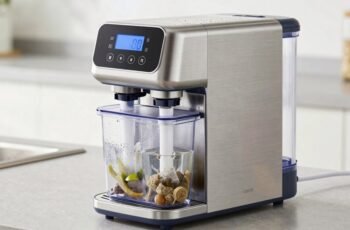
Just as the pursuit of scientific truth often reveals complexities beneath surface claims, the discussion of water ionizers demands a balanced analysis of their advantages and limitations. While they promise customizable pH levels and potential health benefits, the evidence remains inconclusive, and costs can escalate over time. Understanding whether these devices are a worthwhile investment requires a careful examination of their functionality, scientific support, and alternatives—topics that merit thorough consideration before making a decision.
Key Takeaways
- Water ionizers offer customizable pH levels and potential health benefits, but scientific evidence remains inconclusive.
- They require regular maintenance, filter replacements, and can incur significant long-term costs.
- Effectiveness may decline over time due to electrode wear and mineral buildup, impacting water quality.
- High-end models can be expensive, with pricing ranging from $1,000 to over $4,000, making cost a key consideration.
- Safer, more affordable alternatives like filtered tap water or reverse osmosis systems can provide similar hydration benefits.
What Are Water Ionizers and How Do They Work?
Water ionizers are devices designed to alter the pH level of tap water through a process called electrolysis. This process involves passing an electric current through water divided into two chambers by an ion exchange membrane. As voltage is applied, mineral ions such as calcium, magnesium, and chloride are separated into alkaline and acidic streams. The alkaline water, rich in negatively charged hydroxide ions, produces higher pH levels, while the acidic water, containing positively charged hydrogen ions, results in lower pH. These devices typically incorporate electrode plates made of titanium coated with platinum, ensuring durability and conductivity. The result is water with variable pH levels, which can be customized for different applications. This electrochemical process effectively modifies water’s chemical composition without adding chemicals or altering its mineral content considerably.
Benefits of Using a Water Ionizer for Your Health
Utilizing a water ionizer can confer significant health benefits by enhancing the body’s hydration and maintaining ideal pH balance. The process of ionization increases water’s alkalinity, which may help neutralize excess acidity in the body, potentially reducing the burden on organs responsible for detoxification. Additionally, ionized water contains smaller molecular clusters, which improve bioavailability and facilitate more efficient cellular hydration. This enhanced hydration supports metabolic functions, promotes nutrient absorption, and may assist in eliminating toxins. The increased antioxidant properties of negatively charged ions in alkaline water can also combat oxidative stress, potentially reducing cellular damage. While these benefits are supported by some studies, ongoing research continues to evaluate the long-term impacts. Overall, using a water ionizer optimizes hydration and pH regulation, contributing to overall health maintenance.
Common Drawbacks and Limitations of Water Ionizers
Water ionizers often require a substantial initial investment, which can be a significant barrier for many users. Additionally, the long-term health benefits may not justify the ongoing maintenance and repair costs associated with these systems. It’s essential to evaluate these limitations carefully before committing to a water ionizer purchase.
High Initial Investment
Despite their numerous benefits, water ionizers typically require a significant initial investment, which can be a substantial barrier for many consumers. The upfront cost reflects advanced filtration systems, durable materials, and sophisticated electrolysis technology. This high entry barrier limits accessibility for budget-conscious users and may discourage adoption. Key considerations include:
- Cost of the unit: Premium models can range from several hundred to over a thousand dollars.
- Installation expenses: Professional setup and plumbing adjustments add to initial costs.
- Maintenance and replacement parts: Regular filter and electrode replacements contribute to ongoing expenses.
- Technological complexity: Advanced features increase manufacturing costs, impacting retail prices.
These factors combine to make the initial investment a critical factor in decision-making, often outweighing perceived long-term benefits.
Limited Long-Term Benefits
While water ionizers are often marketed for their health benefits, their long-term advantages tend to be limited and sometimes overstated. Scientific evidence supporting sustained health improvements remains inconclusive, with many claimed benefits lacking rigorous validation. Over time, the ionization process may diminish in effectiveness due to electrode degradation and mineral build-up, reducing water quality. The table below illustrates the potential variability in long-term outcomes:
| Aspect | Limitation |
|---|---|
| Consistency | Decreases with electrode wear |
| Health Benefits | Limited evidence for lasting effects |
| Water Quality | Potential decline over years |
These factors suggest that users should temper expectations regarding enduring health impacts and recognize the technical constraints affecting long-term performance.
Maintenance and Repair Costs
Maintenance and repair costs represent a significant ongoing consideration for users of water ionizers, often impacting their overall value and usability. These costs can accumulate due to component degradation, filter replacements, and occasional electrical repairs. The lifespan of key parts, such as electrodes and membranes, directly influences maintenance frequency and expenses. Additionally, some models require specialized servicing that can be costly and time-consuming.
- Frequent filter replacements increase ongoing costs.
- Electrode deterioration may necessitate costly replacements.
- Repairs often demand professional technical expertise.
- Upfront investments might be offset by future maintenance expenses.
Understanding these factors is vital for evaluating the long-term affordability of water ionizers, as maintenance can sometimes surpass initial purchase savings and complicate overall ownership.
How Much Do Water Ionizers Cost and Are They Worth It?
Water ionizer prices can vary widely, typically ranging from around $1,000 to over $4,000 depending on features, brand, and capacity. Higher-end models generally incorporate advanced filtration systems, larger electrode plates, and customizable settings, which contribute to increased costs. Cheaper units may lack durability and advanced features but still perform basic ionization functions. When evaluating value, we consider not just initial investment but long-term operational costs, such as filter replacements and maintenance. While higher-priced models often offer superior build quality and more precise pH control, their cost-effectiveness depends on the user’s specific needs and expectations. Ultimately, whether they’re worth it hinges on how well their features align with your health goals and usage frequency, balanced against the total investment required.
Scientific Evidence Supporting Water Ionizer Claims
Numerous studies have investigated the potential health benefits attributed to water ionizer-generated alkaline water, but the scientific evidence remains mixed and often inconclusive. Current research often lacks large-scale, controlled clinical trials, which limits definitive conclusions. While some studies suggest antioxidant properties due to increased hydroxide ion concentration, others find minimal or no measurable benefits. The variability in water ionizer technologies and pH levels further complicates assessment.
- Limited clinical trials restrict validation of health claims.
- Inconsistent pH levels across devices produce variable results.
- Potential antioxidant effects are supported by some laboratory studies but lack robust clinical evidence.
- Bioavailability and absorption of claimed minerals and antioxidants remain uncertain.
Which Factors Should You Consider Before Buying a Water Ionizer?
When evaluating water ionizers, it’s important to take into account several key factors that can influence their effectiveness and suitability for your needs. These include pH range, filtration quality, and maintenance requirements. A broader pH spectrum allows customization for health goals, while high-quality filtration ensures removal of contaminants. Maintenance impacts long-term performance and cost efficiency. Consider the device’s durability, power consumption, and user interface for practicality. Use the table below to compare core features:
| Feature | Importance | Considerations |
|---|---|---|
| pH Range | Customization and health benefits | Wide range offers versatility |
| Filtration System | Purity and contaminant removal | Multi-stage filters preferred |
| Maintenance | Longevity and usability | Ease of cleaning and filter replacement |
Are There Safer or More Affordable Alternatives?
While water ionizers are popular for their purported health benefits, there are safer and more affordable alternatives that warrant consideration. These options often provide comparable hydration and mineral benefits without the complexity or potential risks associated with ionization technology.
- Filtered tap water systems: Remove contaminants while maintaining essential minerals, offering a cost-effective solution.
- Reverse osmosis units: Provide high purity water, though they may require remineralization to restore beneficial minerals.
- Mineral water: Naturally mineral-rich and free from device-related risks, it’s an accessible option for health-conscious consumers.
- Enhanced water bottles: Incorporate mineral infusions or pH balancing features at a lower price point, with minimal maintenance.
These alternatives are typically safer, easier to maintain, and more affordable than water ionizers, making them practical choices for many consumers.
How to Decide If a Water Ionizer Is Right for You
Deciding whether a water ionizer aligns with your needs involves careful consideration of your health goals, budget, and lifestyle. First, assess whether the potential benefits—such as pH level customization and antioxidant properties—align with your health priorities. Analyze your budget in relation to the device’s upfront cost, maintenance expenses, and longevity. Consider your household’s water consumption and available space for installation. Technical evaluation should include understanding the device’s filtration capabilities, electrical requirements, and overall durability. Additionally, research the scientific validity of claimed health benefits. If your primary focus is on cost-effective, proven water purification, alternative solutions may suffice. Conversely, if you seek advanced ionization features and personalized water chemistry, investing in a water ionizer could be justified.
Frequently Asked Questions
How Long Do Water Ionizers Typically Last With Proper Maintenance?
Water ionizers typically last 10 to 15 years with proper maintenance, including regular filter changes and cleaning. We recommend routine inspections and prompt repairs to maximize lifespan and guarantee peak performance over their extensive service life.
Are There Any Health Risks Associated With Using Water Ionizers?
We believe water ionizers are generally safe, but they may pose risks like contamination if poorly maintained or if improper settings alter mineral balance. Regular checks and proper use are essential to minimize health concerns and guarantee safe, effective operation.
Can Water Ionizers Be Used With Different Water Sources?
Yes, water ionizers can generally be used with various water sources, but their effectiveness depends on water quality, mineral content, and pH levels. We recommend testing your water and consulting the manufacturer’s guidelines for ideal compatibility and performance.
Do Water Ionizers Require Regular Filter Replacements?
Yes, water ionizers require regular filter replacements to maintain ideal performance and water quality. We recommend checking manufacturer guidelines periodically, as filter lifespan varies based on water quality and usage, ensuring continued efficacy of the ionization process.
What Certifications Should I Look for in a Quality Water Ionizer?
We look for certifications like NSF/ANSI, WQA Gold Seal, and UL to guarantee water ionizer quality and safety. These validate that the device meets strict standards for contaminant reduction, durability, and electrical safety, providing reliable, healthy water.
Conclusion
In summary, while water ionizers offer customizable pH levels and potential health perks, their scientific backing remains inconclusive, and costs can add up. We must weigh the device’s benefits against its limitations and consider safer, more economical options like filtered tap or reverse osmosis water. As in the days of alchemy, sometimes the simplest solutions prove most effective. Ultimately, careful evaluation of your health goals and budget will guide you to the best choice.