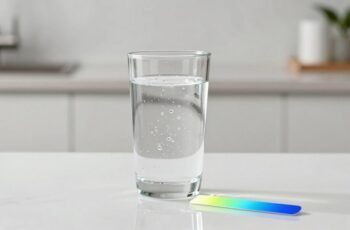
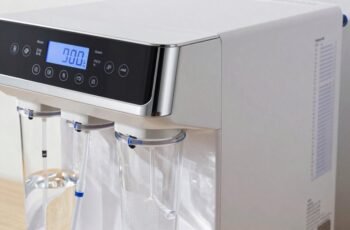
Imagine a sleek, transparent membrane acting as a barrier, selectively filtering out impurities from water. As professionals evaluating water treatment options, we recognize that reverse osmosis offers exceptional contaminant removal, yet it also presents notable challenges. Understanding both its technical benefits and limitations is vital for making informed decisions about its suitability. The balance between purified water quality and operational drawbacks compels us to explore its real-world implications further.
Key Takeaways
- Effectively removes a wide range of contaminants, including heavy metals, bacteria, and chemicals, ensuring high-quality drinking water.
- Produces significant wastewater, often 3 to 4 times the amount of purified water, impacting environmental sustainability.
- Removes essential minerals like calcium and magnesium, which may affect water taste and health benefits.
- Requires regular maintenance, filter replacements, and system monitoring to maintain efficiency and water quality.
- Can be costly to install and operate, especially for high-volume use, compared to alternative filtration methods.
What Is Reverse Osmosis and How Does It Work?
Reverse osmosis (RO) is a water purification process that employs a semi-permeable membrane to remove contaminants from water. This membrane selectively allows water molecules to pass while rejecting dissolved salts, organic compounds, bacteria, and other impurities. When pressure is applied to the feed water, it overcomes osmotic pressure, forcing water through the membrane’s microscopic pores. The result is purified permeate, which is free of most contaminants, and a concentrate stream containing concentrated impurities. The process relies on precise membrane specifications and operational parameters to optimize removal efficiency. RO systems typically include pre-treatment stages to prevent membrane fouling and ensure longevity. By understanding the fundamental mechanics, we can better evaluate the system’s effectiveness and suitability for various water purification applications.
Advantages of Using Reverse Osmosis for Water Purification
Reverse osmosis effectively removes a wide range of contaminants, including dissolved solids, bacteria, and chemicals, ensuring high-quality water. This process also enhances water taste by eliminating unpleasant odors and flavors caused by impurities. Overall, these capabilities make reverse osmosis a precise and reliable method for water purification.
Effective Contaminant Removal
How effectively can a water purification system remove contaminants? Reverse osmosis (RO) excels in this area due to its semi-permeable membrane, which filters out a wide range of impurities. It effectively reduces dissolved solids, heavy metals, pesticides, bacteria, and viruses, achieving removal rates often exceeding 95%. The process relies on applying pressure to force water through the membrane, leaving contaminants behind. Its precision is driven by pore sizes typically around 0.0001 microns, allowing it to target even microscopic pollutants. Consequently, RO systems substantially improve water purity, making them suitable for both residential and industrial applications. This high level of contaminant removal ensures that water meets rigorous safety standards, providing a reliable solution where water quality is critical.
Improves Water Taste
Water that tastes fresh and clean often results from the removal of impurities that can impart undesirable flavors and odors. Reverse osmosis effectively eliminates volatile organic compounds, chlorine, and other chemicals responsible for off-flavors, resulting in a significant taste improvement. The filtration process reduces dissolved solids that contribute to a metallic or salty taste, providing a neutral flavor profile. By removing contaminants that influence sensory perception, reverse osmosis enhances the overall palatability of drinking water. This purification method guarantees that residual tastes are minimized, offering a more consistent and appealing drinking experience. Consequently, users often find that reverse osmosis-treated water tastes fresher, cleaner, and more neutral, which can encourage increased consumption and better hydration.
Common Drawbacks and Limitations of Reverse Osmosis Systems
One significant drawback of reverse osmosis systems is the substantial water waste generated during filtration, which can impact efficiency and environmental sustainability. Additionally, the removal of essential minerals from water raises concerns about potential nutritional deficiencies and changes in taste. Understanding these limitations is vital for evaluating the overall viability of reverse osmosis as a water treatment method.
Water Waste Concerns
Have you considered the significant water waste associated with reverse osmosis systems? These systems typically reject a substantial portion of feedwater, leading to efficiency concerns. The process generates wastewater that contains concentrated contaminants, which must be discarded. This inefficiency can strain water resources, especially in areas facing scarcity. Key factors include:
- Wastewater ratio often ranges from 3:1 to 4:1, meaning for every gallon purified, 3-4 gallons are wasted.
- Increased water consumption impacts operational costs and sustainability.
- Disposal of wastewater raises environmental concerns due to potential pollutant concentration.
- Certain installation setups may exacerbate waste issues, especially if pre-treatment isn’t optimized.
Understanding these limitations highlights the importance of evaluating system efficiency and environmental impact when considering reverse osmosis technology.
Mineral Removal Issues
Why do reverse osmosis systems often fall short in providing mineral-balanced water? They effectively remove contaminants but also strip essential minerals like calcium, magnesium, and potassium, which are crucial for taste and health. This mineral depletion can lead to water that’s flat and lacking in beneficial elements. To illustrate the impact, consider the following table:
| Mineral | Role in Water | Effect of Removal |
|---|---|---|
| Calcium | Bone health, taste | Water becomes bland |
| Magnesium | Heart health, taste | Reduced palatability |
| Potassium | Electrolyte balance | Lower health benefits |
| Trace Minerals | Overall mineral balance | Loss of beneficial effects |
This depletion underscores a key limitation of RO: it produces purified water that may require mineral re-addition for essential health and flavor.
Is Reverse Osmosis Right for Your Household or Business?
Determining whether reverse osmosis (RO) is suitable for your household or business depends on several critical factors, including water quality, volume requirements, and budget constraints. RO systems excel at removing contaminants and producing high-purity water, but they may not be necessary for all applications. Consider the following:
- Water source and contamination levels: High levels of dissolved solids or specific pollutants justify RO use.
- Daily water demand: Large-volume needs may require multiple or larger capacity systems.
- Operational costs: Energy consumption and filter replacements impact long-term expenses.
- Budget considerations: Initial investment and ongoing maintenance must align with financial capacity.
Assessing these factors helps determine if RO aligns with your water quality goals, usage demands, and financial framework.
How to Maximize Benefits and Minimize Disadvantages of Reverse Osmosis
To maximize the benefits and minimize the disadvantages of reverse osmosis systems, it’s essential to optimize operational practices and maintenance routines. Regular monitoring of water pressure, flow rate, and membrane integrity ensures system efficiency and longevity. Implementing periodic pre-filter and post-filter replacements reduces fouling and scaling. Proper system flushing and sanitization prevent bacterial growth and mineral buildup. To systematically evaluate performance, consider this table:
| Practice | Purpose |
|---|---|
| Routine membrane cleaning | Prevents fouling, maintains flow rate |
| Regular filter replacement | Ensures consistent water quality |
| Monitoring system parameters | Detects early signs of degradation |
Adhering to these practices minimizes operational issues, preserves filtration efficacy, and extends system lifespan, ensuring maximum benefits from reverse osmosis technology.
Alternative Water Filtration Options to Consider
While reverse osmosis systems offer significant advantages, exploring alternative water filtration options can address specific needs or limitations. These alternatives often provide targeted solutions with different operational efficiencies. For example, activated carbon filters effectively remove chlorine, volatile organic compounds (VOCs), and odors, making them ideal for improving taste and odor. UV purifiers use ultraviolet light to disinfect, targeting bacteria and viruses without chemical additives. Ceramic filters offer durable, mechanical filtration capable of removing sediment and protozoa, suitable for well water. Additionally, ion exchange systems excel at softening water and removing heavy metals like lead and arsenic. Each option offers specific benefits, making them suitable for particular contaminants or user requirements, often at a lower cost or with increased ease of maintenance compared to reverse osmosis.
Frequently Asked Questions
What Maintenance Is Required for Reverse Osmosis Systems?
We regularly replace filters and membranes, sanitize the system, and monitor pressure and flow rates to guarantee peak performance. Routine maintenance involves checking for leaks and sediment buildup, which helps prolong system lifespan and maintain water quality efficiently.
How Much Water Does a Reverse Osmosis System Waste?
Reverse osmosis systems typically waste 3 to 4 gallons of water for every gallon produced, depending on system efficiency. We analyze these ratios to optimize water conservation, balancing filtration quality with minimal waste in our technical assessments.
Are There Health Concerns With Reverse Osmosis Filtered Water?
We believe reverse osmosis filtered water is generally safe and healthy, but it can remove beneficial minerals. Regular testing and mineral supplementation can guarantee ideal nutrient intake, addressing potential concerns about mineral deficiency and maintaining overall water quality.
How Long Does a Reverse Osmosis System Typically Last?
Typically, reverse osmosis systems last 2 to 3 years with proper maintenance, but high-quality units can extend up to 5 years. Regular filter replacements and system checks are essential for peak performance and longevity.
Can Reverse Osmosis Remove All Types of Contaminants?
Reverse osmosis effectively removes most contaminants, including heavy metals, bacteria, and salts, but it doesn’t eliminate all types, such as certain chemicals or volatiles. For thorough purification, additional filtration methods may be necessary.
Conclusion
In conclusion, while reverse osmosis effectively removes up to 99% of contaminants, its wastewater ratio of 3-4 gallons per purified gallon raises sustainability concerns. Despite its high efficiency, the removal of beneficial minerals and ongoing maintenance costs pose challenges. Statistically, the process consumes about 30-40% more energy than traditional filtration. Carefully weighing these factors helps determine if reverse osmosis aligns with your health, environmental, and economic priorities, or if alternative solutions might better serve your needs.