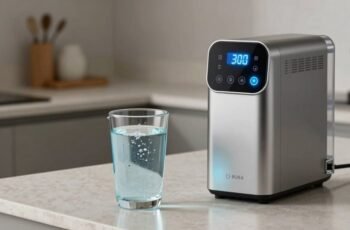
Many people may not realize that combining reverse osmosis with water ionization creates a multi-stage purification process that addresses both contaminant removal and pH balancing simultaneously. This integration can optimize water quality, but it also introduces complexities related to system compatibility, maintenance, and performance. Understanding how these systems work together is essential for selecting the right setup, yet many overlook the technical nuances involved in ensuring long-term efficiency and health benefits.
Key Takeaways
- Combining RO and water ionizers provides ultra-pure, mineral-balanced, and alkaline water for enhanced health benefits.
- Compatibility of flow rates, fittings, and electrical connections is crucial for effective system integration.
- Regular maintenance, including filter and membrane replacement, is essential for optimal performance and longevity.
- Proper installation ensures leak-free connections and correct water flow direction between systems.
- Additional pre-treatment may be needed for well water to prevent clogging and ensure system efficiency.
What Are RO and Water Ionizer Systems, and How Do They Work Together?
Reverse osmosis (RO) systems and water ionizers are two distinct technologies designed to improve water quality, but they serve different purposes. RO systems employ semi-permeable membranes to filter out dissolved solids, contaminants, and impurities by applying pressure, producing purified, mineral-free water. Conversely, water ionizers use electrolysis to split water into alkaline and acidic streams, adjusting pH levels to enhance health benefits. When combined, these systems create a thorough filtration process: RO guarantees removal of harmful substances, while the ionizer modifies the mineral content and pH of the purified water. This integration enhances water quality, delivering cleaner, healthier water with tailored alkalinity. Understanding their mechanisms clarifies how their synergy offers optimized water that’s both safe and beneficial for consumption.
Benefits of Combining Reverse Osmosis With Water Ionization
Combining reverse osmosis with water ionization enhances water quality by leveraging the strengths of both technologies. RO effectively removes contaminants, heavy metals, and impurities at a molecular level, producing ultra-pure water. Water ionization then adjusts the pH and enriches the mineral content, creating antioxidant-rich alkaline water. The synergy results in:
- Pure, mineral-balanced water: RO eliminates impurities, ensuring the ionizer works with clean base water.
- Enhanced health benefits: Alkaline ionized water offers better hydration and antioxidant properties.
- Optimized taste and safety: Removing chemicals and toxins improves flavor while reducing health risks.
This combination guarantees a consistent supply of high-quality water that supports both health and taste, with each system compensating for the other’s limitations and maximizing overall efficacy.
Key Factors to Consider When Choosing a System Combination
When selecting a system combination, we must assess compatibility between the RO unit and water ionizer to guarantee seamless integration without compromising performance. Maintenance requirements and available support are critical, as they influence long-term reliability and operational costs. Evaluating these factors helps us choose a system that maintains ideal water quality while minimizing downtime and service challenges.
Compatibility and Integration
Selecting a compatible RO and water ionizer system requires careful evaluation of their technical specifications and operational interfaces. To guarantee seamless integration, consider these key factors:
- Flow Rate Compatibility: Confirm that the RO system’s output volume matches the ionizer’s maximum processing capacity, preventing under- or over-supplying water.
- Water Quality Standards: Verify that the RO’s filtration levels produce water with ideal purity levels suitable for ionization, avoiding mineral deficiencies or excesses that could impair performance.
- Connection Interfaces: Ensure the fittings, tubing, and electrical connections align precisely between systems, minimizing leaks, electrical mismatches, and installation complexity.
Maintenance and Support
Ensuring that a combined RO and water ionizer system remains reliable over time hinges on effective maintenance and robust support services. Regular membrane flushing and filter replacements are essential to prevent fouling and maintain ideal flow rates, while sensor calibration ensures consistent pH and ORP levels. It’s critical to select systems with accessible, detailed maintenance guides and readily available replacement parts. Support services should include prompt technical assistance, remote diagnostics, and scheduled system checkups to preempt failures. Additionally, systems with modular components simplify troubleshooting and repairs, reducing downtime. Training resources for operators enhance proper maintenance practices, prolonging system lifespan. Ultimately, choosing a system backed by thorough support minimizes operational disruptions, ensures water quality standards, and extends the long-term efficiency of the combination system.
How to Install and Maintain Your RO and Water Ionizer Setup
Installing and maintaining your RO and water ionizer system requires careful adherence to manufacturer instructions and attention to detail. Proper installation involves precise connection of the pre-filter, reverse osmosis membrane, and post-filter, ensuring all fittings are secure and leak-free. It’s essential to verify correct flow direction and pressure ratings for each component. Maintenance includes regular filter replacement every 6 to 12 months, monitoring water pressure to prevent system strain, and sanitizing the unit annually. To visualize, consider these steps:
- Connecting Tubing: Securely attach tubing to inlet and outlet ports, ensuring no kinks or leaks.
- Filter Replacement: Remove old filters, insert new ones, and flush the system thoroughly.
- Sanitization: Use a vinegar solution or manufacturer-approved disinfectant to clean internal components periodically.
Precision in these steps guarantees maximum performance and longevity.
Comparing Popular RO and Water Ionizer Combination Models
When comparing popular RO and water ionizer combination models, it’s essential to evaluate their technical specifications, filtration capabilities, and overall system integration. We focus on key features like filtration stages, flow rate, and compatibility with existing plumbing. The table below highlights three leading models:
| Model | Filtration Stages | Flow Rate (GPM) | Key Features |
|---|---|---|---|
| AquaPure Elite | 5-stage, including carbon block | 0.5 | UV sterilization, smart display |
| PureFlow Pro | 6-stage, with remineralization | 0.75 | Dual water outlets, touchscreen control |
| CrystalClear Max | 4-stage, advanced filtration | 0.6 | Compact design, high mineral retention |
These models demonstrate differences in filtration depth, flow capacity, and added features, guiding informed system choices.
Frequently Asked Questions About RO and Water Ionizer Systems
Because RO and water ionizer systems are complex, users often have specific questions about their operation, maintenance, and compatibility. To clarify, here are common inquiries we encounter:
- Can I install an ionizer after an RO system? Yes, but it’s vital to confirm the RO system produces water with minimal TDS to optimize ionizer performance.
- How often should filters and membranes be replaced? Typically, filters every 6-12 months and membranes every 2-3 years, depending on water quality and usage.
- Are these systems compatible with well water? Yes, but additional pre-treatment like sediment or carbon filters may be necessary to prevent clogging and mineral buildup.
Understanding these technical nuances helps maintain system efficiency and longevity.
Frequently Asked Questions
Can These Systems Remove All Contaminants?
These systems effectively remove most contaminants, including heavy metals, chlorine, and bacteria, but may not eliminate all chemicals or viruses. We recommend regular testing and supplementary filtration for thorough water purity and safety.
Are There Any Health Risks With Ionized Water?
We believe ionized water is generally safe, but excessive consumption might alter your body’s pH balance, potentially causing metabolic alkalosis. For example, some users experienced mild gastrointestinal discomfort, highlighting the importance of moderation and consultation.
How Long Do System Filters Typically Last?
Typically, system filters last between six months to a year, depending on usage and water quality. We recommend regular inspections, timely replacements, and monitoring filter performance to guarantee peak filtration efficiency and prevent potential system malfunctions.
Is Professional Installation Necessary?
Yes, professional installation is necessary to guarantee proper system setup, ideal performance, and adherence to safety standards. Our experts handle precise connections, calibration, and testing, preventing leaks or malfunctions that could compromise water quality or system longevity.
What Is the Typical Cost of These Systems?
The typical cost ranges from $1,000 to $3,000, depending on features and capacity. We find that professional installation guarantees ideal performance, acting as the backbone for a reliable, long-lasting system that meets your specific water quality needs.
Conclusion
Together, RO and water ionizer systems form a finely tuned orchestra, harmonizing filtration and mineral enhancement for ideal water quality. When properly selected, installed, and maintained, these systems deliver a symphony of purity, health benefits, and taste. Think of it as fine-tuning a precision instrument—each component working in harmony to produce the purest, most beneficial water possible. Investing in this combination guarantees your water quality remains consistently high and healthful.