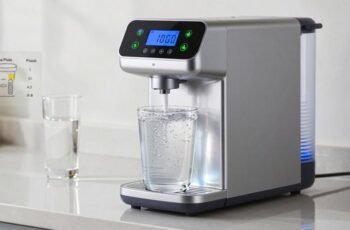
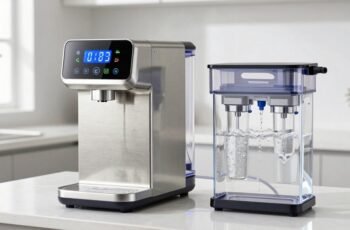
Imagine building a puzzle where each piece influences the final picture—this is similar to how water remineralization works in RO systems. Without proper minerals, water can lack essential elements, affecting taste, safety, and system performance. We’ve found that choosing the right remineralization method involves understanding various options, from cartridges to drops. As we explore these solutions, you’ll see that selecting the most effective approach depends on precise factors that are vital to maintaining ideal water quality.
Key Takeaways
- Mineral cartridges and remineralization filters reintroduce essential minerals and stabilize pH levels effectively.
- Mineral drops offer flexible, precise control for individual or bulk water remineralization.
- Regular testing with calibrated meters ensures mineral levels stay within safe and optimal ranges.
- Proper monitoring prevents over- or under-dosing, maintaining water quality and system longevity.
- Tailored mineral blends and consistent oversight improve taste, health benefits, and overall water stability.
What Is Reverse Osmosis Water Remineralization and Why Is It Necessary?
Reverse osmosis (RO) effectively removes a wide range of contaminants from water, resulting in highly purified output. However, this process also strips essential minerals such as calcium, magnesium, and potassium, which are essential for health and taste. Water that lacks these minerals can be flat, bland, and potentially corrosive, leading to equipment degradation over time. Remineralization involves adding back beneficial minerals to improve water quality, taste, and stability. It guarantees the water remains safe for consumption while restoring its natural mineral content. Without remineralization, RO-produced water might be too pure, affecting both flavor and health benefits. Consequently, incorporating remineralization steps is vital for optimizing the quality of purified water, making it more suitable for daily consumption and maintaining system longevity.
Exploring Mineral Cartridges and Remineralization Filters for RO Systems
To effectively restore essential minerals to purified water, mineral cartridges and remineralization filters are commonly integrated into RO systems. These components are designed to reintroduce critical minerals such as calcium, magnesium, and potassium, which are vital for taste and health. Mineral cartridges typically contain natural mineral media that dissolve gradually, providing consistent mineral levels. Remineralization filters often use ion exchange resins or mineral blends to precisely adjust mineral content. The integration of these components guarantees the water’s pH levels are balanced, reducing acidity caused by reverse osmosis. Proper selection and placement within the system are indispensable for peak mineral retention and system longevity. These solutions offer a reliable, maintenance-friendly method to produce mineral-rich, healthful drinking water directly from an RO system.
Adding Mineral Drops: A Simple and Flexible Remineralization Method
Adding mineral drops offers a straightforward and adaptable method for remineralizing purified water. This approach allows precise control over mineral content, enabling customization to meet specific health and taste preferences. By incorporating mineral drops, users can efficiently restore essential trace minerals such as calcium, magnesium, and potassium, which are often removed during reverse osmosis processes. This method also provides convenience, as drops can be added directly to individual bottles or larger volumes, ensuring flexibility in application.
- Precise mineral level adjustment
- Compatibility with various water volumes
- Immediate results without complex equipment
- Suitable for both daily use and specific mineral needs
- Cost-effective compared to other remineralization systems
Comparing Different Remineralization Options: Pros, Cons, and Cost Considerations
When selecting a remineralization method, understanding the relative advantages and disadvantages of each option is essential for making an informed decision. Mineral cartridge systems provide consistent mineral levels and are user-friendly but can be costly upfront and require regular filter replacements. Mineral drops offer flexibility and precise control but demand ongoing monitoring and may be less convenient for large volumes. Calcium and magnesium supplementation through powders or liquids can be highly customizable, yet they pose the risk of over- or under-dosing and require careful measurement. Cost-wise, mineral cartridges typically have higher initial costs but lower ongoing expenses, whereas liquid additives tend to be more affordable upfront but can accumulate costs over time. Each method’s suitability depends on balancing performance, maintenance, and budget constraints.
How to Choose the Best Remineralization Method for Your RO System
Selecting the appropriate remineralization method requires careful assessment of system compatibility to guarantee proper integration and performance. We must also consider the desired mineral content levels to match drinking water standards and personal preferences. By systematically evaluating these points, we can identify the most effective solution for maintaining ideal water quality.
Compatibility With System
Choosing the appropriate remineralization method hinges on understanding your RO system’s specific compatibility requirements. Not all methods integrate seamlessly with every system, so evaluating compatibility ensures maximum performance and water quality. Consider the following factors:
- Flow rate capacity to prevent pressure drops or system overloads
- Connection fittings to match existing plumbing without modifications
- Material compatibility, ensuring remineralizer components don’t corrode or leach contaminants
- Residual mineral levels to avoid over-mineralization or insufficient remineralization
- System design, including post-filters and storage tanks, to maintain consistent mineral content
Matching the remineralizer type with your system’s technical specifications guarantees reliable operation and desired water quality, avoiding potential damage or inefficiencies.
Mineral Content Adjustment
How can you determine the most effective mineral content adjustment method for your RO system? First, analyze your existing water composition using a thorough water test. This identifies specific mineral deficiencies or excesses. Next, evaluate the targeted mineral levels based on health guidelines and your taste preferences. The choice of remineralization method depends on the desired mineral profile; common options include calcite filters, mineral cartridges, or blended mineral solutions. Each method varies in mineral release rates, precision, and maintenance. For precise control, consider dosing systems that allow adjustable mineral concentrations. Ultimately, selecting the best approach involves aligning mineral restoration with your water composition, system compatibility, and maintenance capacity to ensure consistent, safe, and palatable drinking water.
Tips for Maintaining and Monitoring Your Remineralized Water Quality
Maintaining and monitoring the quality of remineralized water is essential to guarantee consistent safety and ideal mineral levels. Regular testing ensures that mineral concentrations remain within recommended ranges, preventing deficiencies or excesses. To effectively monitor your water, consider these practices:
Regular testing and monitoring ensure safe, balanced remineralized water with consistent mineral levels.
- Use calibrated TDS meters to track total dissolved solids.
- Periodically analyze water samples for key minerals like calcium and magnesium.
- Record mineral levels and compare them over time to identify trends.
- Adjust remineralization processes promptly if mineral levels deviate.
- Maintain calibration schedules for testing equipment to guarantee accuracy.
Consistent testing and record-keeping enable timely interventions, preserving water quality and health safety. Proper maintenance of dosing systems and regular inspections further support stable mineral content, ensuring ideal remineralized water.
Common Mistakes to Avoid When Remineralizing Your RO Water
To guarantee effective remineralization of RO water, it’s crucial to avoid common pitfalls that can compromise water quality and safety. One mistake is using inappropriate mineral additives lacking precise mineral ratios, which can lead to imbalanced water composition and potential health risks. Overdosing minerals risks scaling and equipment damage, while underdosing results in inadequate mineral levels. Another error is neglecting proper mixing and dissolution; minerals must be thoroughly dissolved to ensure uniform distribution. Additionally, failing to monitor water parameters regularly can allow deviations from desired mineral content, undermining water quality. Finally, relying solely on generic mineral supplements without considering specific water chemistry can cause unintended mineral interactions, compromising the remineralization process. Precision and careful monitoring are essential to avoid these common errors.
Frequently Asked Questions
How Often Should I Replace Remineralization Filters or Cartridges?
We suggest replacing remineralization filters or cartridges every 6 to 12 months, depending on water quality and usage. Regular inspection and monitoring mineral levels guarantee ideal performance and prevent potential health risks associated with depleted or over-saturated filters.
Can Homemade Mineral Mixtures Harm My RO System?
Homemade mineral mixtures can harm your RO system if they contain impurities or incompatible minerals, causing clogging or scaling. Always use purified, properly balanced remineralization solutions designed for RO systems to guarantee compatibility and prevent damage.
Are There Health Risks Associated With Excess Minerals in RO Water?
Excess minerals in RO water can pose health risks, including mineral imbalances and kidney strain. We recommend monitoring mineral levels carefully, using proper remineralization techniques, and consulting health guidelines to guarantee your water remains safe and beneficial.
How Do I Test the Mineral Content of My Remineralized Water?
We test mineral content using a reliable TDS meter or advanced water testing kits, which measure total dissolved solids and specific minerals. Regular testing guarantees our remineralized water maintains balanced mineral levels for health and ideal taste.
Is It Necessary to Remineralize RO Water for Specific Health Conditions?
Yes, for certain health conditions like mineral deficiencies or specific medical needs, we recommend remineralizing RO water to guarantee essential mineral intake, maintaining electrolyte balance, and supporting overall health, as pure RO water lacks crucial minerals.
Conclusion
In conclusion, selecting the ideal remineralization method hinges on understanding your water chemistry, budget, and maintenance capacity. The coincidence that careful monitoring ensures water safety and taste underscores the importance of choosing a tailored approach. Whether through cartridges, filters, or drops, precise control and regular checks are essential. Ultimately, aligning your system’s configuration with your specific needs guarantees consistent, high-quality drinking water, highlighting the nuanced balance between technology and vigilant oversight.