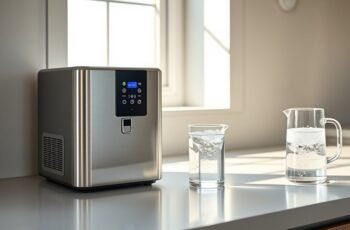
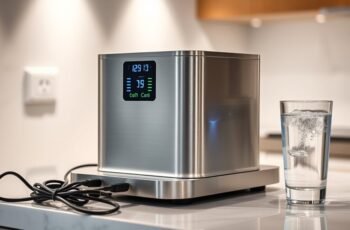
Studies show hydrogen water machines typically consume between 50W and 150W, resulting in daily energy use of just 0.05 to 0.15 kWh, depending on the model. This relatively low consumption is due to their intermittent operation and efficiency factors like electrode design. Understanding these variables is essential for optimizing performance and cost-efficiency, yet many users overlook how operational choices impact power draw—an area worth exploring further to maximize benefits.
Key Takeaways
- Hydrogen water machines typically consume between 50W to 150W, depending on model and capacity.
- Power usage varies based on electrolysis efficiency, electrode design, and operational settings like voltage and current.
- Most devices operate intermittently, resulting in low daily energy consumption of approximately 0.05 to 0.15 kWh.
- Advanced models incorporate energy-saving features and optimized cell architecture to reduce power consumption.
- Proper maintenance, water quality management, and operational control enhance system efficiency and minimize energy costs.
What Factors Affect Hydrogen Water Machine Power Consumption?
Several key factors influence the power consumption of hydrogen water machines, and understanding these variables is essential for optimizing efficiency. The primary factor is the electrolysis process itself, where electrode design and material conductivity determine energy requirements. A more efficient cell reduces power draw by minimizing resistance. Additionally, the size and capacity of the machine impact energy use; larger units typically consume more power due to increased operational demands. The rate of hydrogen production also plays a role—higher output demands more energy. Moreover, the quality of the power supply, including voltage stability and insulation, affects overall efficiency. Finally, operational settings, such as temperature and duration of electrolysis, influence energy consumption. Recognizing these factors helps us optimize machine performance while minimizing unnecessary energy expenditure.
How Much Electricity Do Hydrogen Water Machines Use Daily?
Understanding the average daily power consumption of hydrogen water machines requires analyzing their energy requirements and operational patterns. Several factors, such as device capacity and usage frequency, markedly influence the total electricity used each day. Examining these variables helps in accurately estimating energy costs and optimizing efficiency.
Average Daily Power Consumption
Hydrogen water machines typically consume a modest amount of electricity daily, making them energy-efficient appliances. On average, their power consumption ranges from 0.05 to 0.15 kilowatt-hours (kWh) per day, depending on the model and usage patterns. These devices operate intermittently, with most of their energy expenditure concentrated during the electrolysis process, which lasts a few minutes per cycle. Continuous operation is rare, and power draw stabilizes once the hydrogen generation phase concludes. The overall energy consumption is influenced by factors such as electrode efficiency, water temperature, and device design. Consequently, these machines are designed to optimize electrolysis efficiency while minimizing energy use, ensuring that daily power consumption remains low relative to their functional output.
Factors Influencing Energy Use
The energy consumption of hydrogen water machines is primarily determined by several interconnected factors that influence their electrolysis efficiency and operational duration. Key variables include the size and capacity of the electrolyzer, which dictate the volume of hydrogen produced per cycle. The electrolysis process’s voltage and current parameters directly impact power draw, with higher settings increasing electricity use. Additionally, the duration of operation—whether during continuous or intermittent use—affects total energy consumption. External factors such as water quality, ambient temperature, and device insulation also play roles by affecting system efficiency. Advances in electrode materials and system design can optimize energy use, but overall, these factors collectively govern daily power demands, requiring careful consideration to balance performance with energy efficiency.
Comparing Power Usage of Different Hydrogen Water Machine Models
When evaluating different hydrogen water machine models, it’s essential to compare their power consumption to determine efficiency and operational costs. Variations in power usage are primarily influenced by device design, electrolysis capacity, and automation features. Models with higher electrolysis output typically demand more energy, but this can be offset by efficiency improvements in circuitry and insulation. For instance, some advanced units incorporate energy-saving modes, reducing consumption during standby or low-output phases. Analyzing wattage ratings, we observe ranges from approximately 50W to over 150W among popular models. While higher wattage indicates greater power consumption, it doesn’t necessarily equate to faster hydrogen generation or better performance. Hence, a thorough comparison should include operational efficiency metrics alongside raw power figures for an accurate assessment.
Tips to Minimize Energy Consumption While Using Hydrogen Water Machines
To reduce energy consumption, we should maximize usage frequency to avoid unnecessary operation. Selecting energy-efficient models and maintaining them properly guarantees ideal performance with minimal power draw. Implementing these strategies enables more sustainable and cost-effective use of hydrogen water machines.
Optimize Usage Frequency
Optimizing the frequency of hydrogen water machine usage is essential for minimizing energy consumption without compromising functionality. By aligning usage with actual demand, we avoid unnecessary power cycles that increase energy waste. Implementing a schedule based on consumption patterns ensures the machine operates only when needed, reducing idle time and startup energy costs. Additionally, limiting frequent on-off cycles prevents stress on electrical components, extending device lifespan and maintaining efficiency. Monitoring water intake habits allows us to refine usage intervals, balancing health benefits with energy conservation. This strategic approach involves analyzing usage data to identify ideal operation frequency, which minimizes total energy consumption while ensuring consistent hydrogen production. Ultimately, deliberate scheduling enhances energy efficiency, making hydrogen water machines more sustainable and cost-effective over time.
Use Energy-Efficient Models
Choosing energy-efficient models for hydrogen water machines is a practical step toward reducing overall power consumption. These models typically incorporate advanced energy management systems, such as optimized electrolysis processes and intelligent power controls, which minimize energy wastage during operation. By selecting units with high thermal and electrical efficiency ratings, we guarantee that energy input translates directly into hydrogen production without unnecessary losses. Additionally, devices with programmable timers and standby modes help limit operational periods to necessary intervals, preventing idle energy consumption. Analytical evaluation of energy specifications reveals that investing in certified energy-efficient models reduces long-term operational costs and environmental impact. Focusing on these technical features allows us to implement more sustainable practices and optimize energy use without compromising machine performance.
Maintain Equipment Properly
Regular maintenance of hydrogen water machines is essential for minimizing energy consumption and ensuring peak performance. Regular cleaning of filters and electrodes prevents buildup that can hinder efficiency, forcing the machine to work harder and consume more power. Inspecting and tightening electrical connections reduces resistance losses, ensuring maximum energy transfer. Calibrating the system’s settings periodically maintains energy-efficient operation, preventing unnecessary power draw. Replacing worn components promptly avoids malfunctions that lead to increased energy use. Additionally, monitoring water quality and mineral content helps prevent scaling, which can reduce system efficiency. Consistent maintenance not only extends equipment lifespan but also optimizes power usage by ensuring all components operate at their designed capacity, reducing waste and improving overall energy efficiency.
Is a Higher Power Hydrogen Water Machine More Effective?
While a higher power hydrogen water machine often produces more hydrogen gas per unit time, its effectiveness depends on multiple factors beyond just wattage. Increased wattage can improve gas production, but efficiency hinges on system design and electrolysis optimization. For example:
- Electrode Surface Area: Larger or more active electrodes enhance hydrogen generation by providing more reaction sites, regardless of power.
- Electrolysis Cell Design: Improved cell architecture reduces resistance and enhances gas separation efficiency, making higher power less necessary.
- Operational Parameters: Voltage regulation and water purity influence hydrogen output, meaning higher wattage doesn’t guarantee superior results without proper control.
Thus, higher power alone doesn’t guarantee greater effectiveness; system design and operational control are critical.
Understanding the Cost Impact of Running a Hydrogen Water Machine
Understanding the cost impact of running a hydrogen water machine requires analyzing both the operational expenses and the efficiency of energy use. Power consumption directly influences ongoing costs, which vary based on device specifications and usage patterns. To grasp this impact, we compare energy efficiency and total costs:
| Factor | Impact |
|---|---|
| Power Consumption (Watts) | Higher watts increase operational costs |
| Efficiency of Hydrogen Production | Better efficiency lowers energy waste |
| Usage Frequency | More frequent use raises total expense |
These factors determine whether a machine’s higher power requires proportionally more investment or if efficiency offsets increased consumption. Analyzing these elements helps us understand the true cost of operation, enabling informed purchasing and maintenance decisions.
Frequently Asked Questions
How Long Does a Typical Hydrogen Water Machine Last?
Typically, a hydrogen water machine lasts around 3 to 5 years with proper maintenance. We recommend regular cleaning, filter replacements, and checking seals to maximize lifespan and guarantee consistent hydrogen production for peak health benefits.
Does Using Hot Water Increase Power Consumption?
Using hot water increases power consumption because heating requires additional energy, which puts more load on the machine’s heating element. This results in higher overall energy usage, making hot water operation less energy-efficient than cold water use.
Are There Energy-Efficient Hydrogen Water Machine Brands?
Yes, some hydrogen water machines are energy-efficient, like well-tuned engines, with brands prioritizing low power consumption through advanced insulation and smart technology. We recommend researching models emphasizing energy-saving features for peak efficiency.
Can Power Usage Affect Hydrogen Concentration Levels?
Power usage can influence hydrogen concentration levels, as higher energy input often enhances electrolysis efficiency, increasing hydrogen production. However, ideal concentration depends on device design, electrode quality, and operational parameters, not solely on power consumption.
Is It Safe to Leave the Machine Plugged in Continuously?
Yes, it’s safe to leave the machine plugged in continuously; modern designs include safety features that prevent overheating and electrical issues, ensuring consistent operation without risk. We analyze power stability to maintain safe, ideal hydrogen concentration levels.
Conclusion
In essence, optimizing hydrogen water machine efficiency is akin to fine-tuning a complex instrument—careful calibration and maintenance ensure harmonious operation. By understanding power consumption factors and selecting energy-savvy models, we can reduce operational costs without sacrificing performance. Thoughtful use and vigilant upkeep transform this device from a simple appliance into a precise tool, harmonizing technological sophistication with economic prudence. Ultimately, strategic management converts energy use into an elegant dance of efficiency and efficacy.