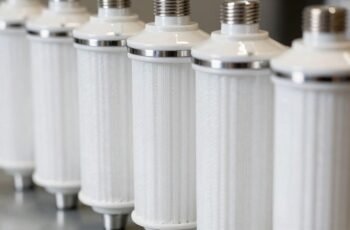
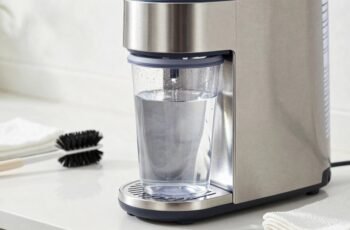
Studies show that neglecting regular filter replacement can reduce a water ionizer’s efficiency by up to 50%, risking water quality and system lifespan. As professionals, we understand that timely filter changes are critical for maintaining peak performance, yet many operators overlook signs of wear or delay replacements. Ensuring consistent operation requires precise procedures and adherence to schedules, but what exactly are the best practices to prevent issues before they arise?
Key Takeaways
- Replace filters every 6 to 12 months based on water quality and usage; monitor for signs of clogging or reduced performance.
- Turn off water supply and depressurize the system before removing and installing new filters.
- Ensure proper alignment and secure sealing during installation to prevent leaks and maintain filtration efficiency.
- Regularly flush the system after filter replacement to remove residual impurities and maintain water quality.
- Conduct water quality testing periodically to determine optimal replacement timing and troubleshoot system issues.
When Should You Replace Your Commercial Water Ionizer Filter?
Determining the most suitable time to replace a commercial water ionizer filter is essential for maintaining water quality and system performance. Typically, filters should be replaced when total dissolved solids (TDS) levels exceed manufacturer specifications, indicating reduced filtration efficiency. Regular monitoring of TDS meters provides real-time data, signaling when filter capacity is nearing exhaustion. Additionally, a noticeable decline in water pH or a change in taste and odor suggests the filter’s adsorption capacity has diminished. Manufacturers generally recommend replacing filters every 6 to 12 months, depending on water usage and source quality. Failing to replace filters promptly can lead to decreased ionization effectiveness, increased mineral buildup, and potential system damage. Consequently, establishing a routine inspection schedule ensures excellent performance and water purity.
How to Properly Remove and Install the Filter
To guarantee ideal filter performance and water quality, proper removal and installation techniques must be followed carefully. Begin by shutting off the water supply and relieving system pressure. Next, carefully disconnect the filter housing using appropriate tools, ensuring not to damage the fittings. When installing the new filter, align it correctly with the housing and tighten it securely to prevent leaks. Use the following table as a quick reference:
| Step | Action |
|---|---|
| 1 | Turn off water supply and relieve pressure |
| 2 | Remove the old filter, inspecting for damage |
| 3 | Insert the new filter, aligning properly |
| 4 | Tighten fittings securely, then restore water |
Proper technique minimizes contamination risk and guarantees optimal system function.
Tips for Cleaning and Maintaining Your Water Ionizer During Filter Changes
Regular cleaning guarantees ideal performance and prevents mineral buildup during filter replacements. Proper handling of filters minimizes contamination risks and maintains system integrity. Adhering to these procedures enhances the longevity and efficiency of your water ionizer.
Regular Cleaning Procedures
During filter replacements, maintaining a clean water ionizer is vital for peak performance and water quality. Regular cleaning procedures guarantee maximum operation and prevent mineral buildup.
- Flush the system with an appropriate cleaning solution to remove mineral deposits and biofilm. This process should be done monthly or after every filter change, depending on water quality.
- Inspect internal components for corrosion or scale formation, focusing on electrodes and flow pathways. Use non-abrasive brushes or soft cloths, avoiding damage to delicate parts.
- Sanitize the unit with a food-grade disinfectant, ensuring all internal surfaces are free of microbial contamination. Follow manufacturer guidelines for dilution ratios and contact time.
Consistent adherence to these steps maintains system integrity and prolongs device lifespan.
Proper Filter Handling
Handling your water ionizer filter properly is vital to guarantee peak performance and water quality during replacements. Always wear gloves to prevent contamination and avoid touching internal components with bare hands. Before removing the filter, turn off the unit and depressurize the system to prevent water spillage. When removing the filter, do so gently to avoid damaging the housing or fittings. Use a clean, lint-free cloth to wipe down the filter housing and surrounding areas, removing any debris or mineral buildup. During installation, make sure the filter is seated correctly and securely tightened to prevent leaks. Proper handling minimizes bacterial growth, preserves filter integrity, and maintains maximum ionization efficiency. Consistent, careful handling extends the lifespan of the filter and ensures clean, safe drinking water.
Common Signs Indicating It’s Time to Replace the Filter
When a water ionizer filter approaches the end of its effective lifespan, several clear indicators signal that replacement is necessary. Recognizing these signs guarantees peak performance and water quality.
- Decline in Water Quality: Noticeable changes in taste, odor, or clarity suggest the filter’s adsorption capacity has diminished.
- Reduced Water Flow Rate: A significant decrease in flow rate indicates clogging or build-up within the filter media, impairing filtration efficiency.
- Frequent Filter Alarms or Indicators: Many systems feature alerts or indicator lights that activate once the filter’s capacity is exhausted or nearing expiration.
Monitoring these signs allows timely replacement, maintaining prime ionization and ensuring contaminant removal efficiency.
Best Practices for Extending Your Filter’s Lifespan
Maintaining your water ionizer filter requires consistent upkeep and attentive water quality monitoring. Regular cleaning and timely replacements prevent clogging and ensure ideal performance. By tracking water parameters, we can identify early signs of degradation, extending the filter’s effective lifespan.
Regular Filter Maintenance
How can we maximize the lifespan of our water ionizer filters? Consistent, targeted maintenance is vital. First, regularly flush the filter with clean water to prevent mineral buildup that impairs filtration efficiency. Second, apply proper cleaning protocols using manufacturer-approved solutions to remove biofilm and sediment deposits, guaranteeing peak flow rates. Third, monitor usage cycles and adhere to recommended replacement intervals, avoiding premature or delayed changes that compromise performance. Precise maintenance minimizes clogging, prolongs filter efficacy, and reduces operational costs. Implementing these practices guarantees the filter remains effective, preventing contamination and maintaining water quality standards. Regular upkeep, grounded in technical adherence, is essential for extending the functional lifespan of your water ionizer filter.
Monitor Water Quality
Are we effectively tracking the water quality to guarantee ideal filter performance? Continuous monitoring involves analyzing parameters such as pH, total dissolved solids (TDS), and contaminant levels. Using calibrated testing kits or digital sensors ensures real-time data accuracy, enabling timely filter maintenance or replacement. Regular sampling at multiple points provides insights into water consistency and detects early signs of filter degradation. Implementing automated monitoring systems with data logging capabilities allows for trend analysis and proactive interventions. This approach minimizes unnecessary filter replacements, maximizes lifespan, and maintains water purity. Precise monitoring is essential for informed decision-making, ensuring that the ionizer operates within best possible parameters, ultimately extending filter longevity and safeguarding water quality.
Troubleshooting Issues After Filter Replacement
After replacing the water ionizer filter, troubleshooting common issues is essential to guarantee peak performance. Proper diagnosis prevents prolonged downtime and ensures maximum water quality.
- Inconsistent pH levels: Verify the filter is correctly seated and sealed. An improper fit can cause fluctuations. Additionally, check the water flow rate—if too high or low, it affects ionization efficiency.
- Reduced water output: Inspect for blockages or debris in inlet or outlet ports. Confirm the filter is compatible and installed in the correct orientation.
- Unusual odors or tastes: Ensure the filter is fresh and has not been contaminated during installation. Flushing the system thoroughly can eliminate residual impurities.
Addressing these issues promptly maintains system integrity and water quality.
How Often Should You Schedule Filter Replacements for Optimal Performance?
To guarantee your water ionizer operates at peak efficiency, scheduling filter replacements at appropriate intervals is essential. Typically, filters should be replaced every 6 to 12 months, depending on water quality and usage volume. Regularly monitoring your system’s performance and water taste helps determine ideal timing.
Consider this schedule as a guideline:
| Time Interval | Water Quality Indicator | Filter Type |
|---|---|---|
| 6 months | Reduced filtration quality | Pre-filter |
| 9-12 months | Noticeable mineral buildup | Main filter |
| 12 months | Decline in ionization efficiency | Post-filter |
Consistent replacement preserves filtration integrity, ensuring ideal water quality and system longevity.
Frequently Asked Questions
What Types of Filters Are Compatible With My Commercial Water Ionizer?
We suggest compatible filters such as activated carbon, alkaline mineral, and sediment filters designed specifically for your model. Guarantee they meet manufacturer specifications to maintain ideal ionization performance and water quality, preventing potential damage or reduced efficiency.
Can I Replace the Filter Myself or Should I Hire a Professional?
We recommend hiring a professional for filter replacement to guarantee proper installation, maintain system integrity, and avoid voiding warranties. While it’s possible to do it yourself, expert handling guarantees ideal performance and safety.
How Does Water Quality Affect Filter Lifespan and Replacement Frequency?
Water quality acts as the engine driving filter lifespan, with impurities like sediments and minerals quickening wear. Poor quality water is like a wildfire, demanding more frequent replacements to keep your system operating efficiently and safely.
Are There Environmental Considerations When Disposing of Used Filters?
Disposing of used filters requires environmental caution, as they may contain contaminants or heavy metals. We guarantee proper disposal by adhering to local regulations, recycling where possible, and preventing environmental contamination through careful handling and waste management protocols.
What Are the Benefits of Using High-Grade Versus Standard Replacement Filters?
High-grade filters provide enhanced filtration precision, longer lifespan, and better mineral removal, ensuring ideal water quality. Standard filters are more affordable but may require more frequent replacements, slightly compromising water purity and system efficiency over time.
Conclusion
In summary, neglecting timely filter replacements is like ignoring a car’s oil change—inevitable and costly. We advise routine maintenance to guarantee your water ionizer performs at peak efficiency, delivering clean, safe water. Skipping these steps might save a few bucks now, but the long-term consequences—clogged filters, poor ionization, and system failures—are far more expensive. Stay vigilant, follow best practices, and treat your water system with the respect it deserves for reliable performance.