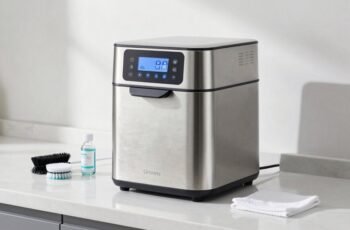
Maintaining a commercial water ionizer is like fine-tuning a complex instrument—precision is crucial for ideal performance. Regular upkeep ensures water quality, system longevity, and consistent ionization. Yet, knowing when and how to perform these tasks can be intricate, with potential issues lurking beneath the surface. Understanding the critical maintenance points can make all the difference, prompting us to explore the key practices that keep these systems running at peak efficiency.
Key Takeaways
- Schedule regular inspections weekly and monthly to monitor system performance, water quality, and component wear.
- Clean electrodes with non-abrasive solutions and replace filters promptly to maintain ionization efficiency.
- Detect leaks and verify water flow rates to prevent damage and ensure proper system operation.
- Inspect and maintain control panels, electrical connections, and sensors to prevent malfunctions.
- Seek professional repair for persistent errors, unusual noises, or internal component failures to ensure system longevity.
How Often Should You Perform Maintenance on Your Commercial Water Ionizer
Regular maintenance of your commercial water ionizer is essential to guarantee peak performance and longevity. Typically, routine inspections should occur weekly, with more thorough checks performed monthly. Weekly assessments include monitoring water flow rates, verifying system pressure, and inspecting for signs of mineral buildup or corrosion. Monthly maintenance involves detailed component evaluations, such as inspecting valves, filters, and tubing for wear or deposits that could impede efficiency. It’s important to adhere to manufacturer specifications regarding maintenance intervals, as neglecting these schedules can lead to decreased ionization capacity, system failures, or increased operational costs. Establishing a structured maintenance timetable ensures that all critical components function at their best, reducing downtime and extending device lifespan. Precise adherence to these intervals is imperative for maintaining consistent water quality and system reliability.
Cleaning and Replacing Electrodes for Optimal Ionization
Effective electrode maintenance involves precise cleaning techniques to prevent buildup and guarantee consistent ionization. We must identify signs of electrode wear through resistance measurements and visual inspection to determine ideal timing for replacement. Proper procedures for removing and installing electrodes are essential to maintain system integrity and performance.
Electrode Cleaning Techniques
Maintaining ideal ionization performance requires careful attention to electrode cleanliness and condition. Regular cleaning guarantees maximum conductivity and prevents buildup that can impair ionization efficiency. To clean electrodes effectively:
- Use a non-abrasive, acidic solution such as diluted citric or vinegar-based cleaner, ensuring complete immersion without damaging components.
- Gently scrub electrode surfaces with a soft brush to remove mineral deposits, avoiding excessive pressure.
- Rinse thoroughly with distilled water to eliminate residual cleaning agents and prevent future mineral buildup.
Consistent cleaning schedules depend on water quality and usage volume. Proper handling and adherence to manufacturer guidelines are essential to prevent electrode damage and maintain peak performance.
Identifying Electrode Wear
How can we accurately determine when electrodes are worn and require cleaning or replacement? The key indicators include a notable decline in ionization efficiency, evidenced by reduced alkaline or acidic output levels, despite proper water flow and voltage settings. Electrical resistance measurements across the electrodes can reveal increased resistance, signaling surface degradation or mineral buildup. Visual inspection also aids: worn electrodes often display pitting, scaling, or discoloration, indicating electrode deterioration. Consistent monitoring of pH and ORP (oxidation-reduction potential) readings provides quantitative data; deviations from baseline values suggest compromised electrode surfaces. Regular testing and measurement protocols are essential to detect subtle wear signs before performance drops considerably, ensuring timely maintenance. Accurate assessment prevents unnecessary replacements and maintains ideal ionization efficiency.
Proper Replacement Procedures
To guarantee peak ionization performance, it’s essential that we follow precise procedures when cleaning or replacing electrodes. Proper handling ensures consistent ionization levels and prolongs electrode lifespan. First, power off the unit and disconnect it from the power source. Carefully remove the electrode assembly, noting the orientation for reinstallation. When cleaning, use a non-abrasive brush and a mild descaling solution to remove mineral buildup. If replacement is necessary, ensure the new electrodes match specifications precisely.
- Verify electrode compatibility before installation
- Use gloves to prevent contamination
- Reassemble with firm, even contact to avoid misalignment
Following these steps assures optimal performance and minimizes downtime, guaranteeing the water ionizer functions efficiently over its service life.
Checking and Refilling Filter and Mineral Cartridges
We regularly inspect cartridge conditions to guarantee ideal filtration and mineral balance. When refilling, it’s essential to use the correct minerals specified for the system to maintain water quality. Replace cartridges promptly when they show signs of wear or reduced effectiveness to prevent system malfunction.
Inspect Cartridge Condition
Regularly inspecting the condition of filter and mineral cartridges is essential to guarantee ideal water quality and system performance. During inspection, we examine cartridges for signs of wear, clogging, or degradation that could impair filtration efficiency. We look for physical damage, discoloration, or buildup that may indicate a need for replacement. It’s important to verify that cartridges are securely seated and free of leaks to prevent contamination.
Key steps include:
- Checking for visible cracks, corrosion, or sediment buildup
- Ensuring proper fit and sealing of cartridges
- Monitoring for reduced water flow or pressure changes
Refill With Proper Minerals
Ensuring that mineral and filter cartridges are properly refilled with the correct minerals is crucial for maintaining peak water quality and system efficiency. We carefully verify mineral levels using manufacturer-recommended indicators and refill cartridges with specified mineral blends, such as calcium, magnesium, or trace elements, to optimize ionization performance. Precise measurements are critical to prevent mineral imbalances that could impair pH levels or reduce water alkalinity. We avoid overfilling, which can cause clogging or system strain, by following prescribed fill volumes. Additionally, we guarantee mineral purity by using high-grade, food-grade minerals to prevent contamination. Regular monitoring and accurate refilling maintain system stability, promote consistent water quality, and extend the lifespan of the ionizer. Proper mineral management is essential for reliable operation and water health.
Replace When Necessary
To maintain ideal water quality and system performance, it’s essential to regularly inspect and replace filter and mineral cartridges when they reach their designated lifespan or show signs of degradation. Monitoring parameters such as flow rate, water taste, and visual appearance helps determine replacement timing. Ignoring these indicators can lead to reduced filtration efficiency, mineral buildup, or system failure.
Key points for replacement include:
- Scheduled Maintenance: Follow manufacturer recommendations for cartridge lifespan.
- Performance Indicators: Watch for decreased flow rate or off-taste in water.
- Visual Inspection: Look for sediment buildup, discoloration, or damage.
Timely replacement guarantees appropriate filtration and mineral balance, preventing system damage and maintaining water quality standards. Regular checks and adherence to replacement guidelines are critical for reliable, long-term operation of your commercial water ionizer.
Inspecting for Leaks and Ensuring Proper Water Flow
When inspecting your commercial water ionizer, it’s essential to carefully check for any leaks in the system and verify that water flow remains consistent. Begin by examining all connections, fittings, and hoses for signs of drips, moisture, or corrosion. Use a flashlight to inspect joints and seals thoroughly, ensuring they’re tight and undamaged. Measure water flow rates at each outlet to confirm they match manufacturer specifications; irregular flow may indicate blockages or internal malfunctions. Listen for abnormal sounds such as hissing or dripping, which can signal leaks. Document any irregularities immediately and isolate the affected components. Maintaining accurate flow and leak-free operation prevents system inefficiencies, water wastage, and potential damage to internal parts, ensuring ideal performance and longevity of the water ionizer.
Maintaining the Control Panel and Electrical Components
How can we effectively maintain the control panel and electrical components of a commercial water ionizer? Regular inspection and cleaning are essential to prevent malfunctions. Confirm all connections are secure and free of corrosion, which can impair electrical flow. Use a soft, dry cloth to gently wipe the control panel, avoiding harsh chemicals that may damage sensitive electronics. Additionally, verify that the power supply and grounding are stable and compliant with manufacturer specifications.
- Check for loose or damaged wiring, replacing as necessary
- Clean contact points to prevent oxidation
- Test safety switches and circuit breakers periodically
Consistent monitoring of electrical components enhances system reliability and safety, reducing downtime and costly repairs. Proper maintenance ensures peak performance and longevity of the water ionizer.
Troubleshooting Common Performance Issues
Even with regular control panel and electrical component maintenance, performance issues can still arise. Common problems include inconsistent pH levels, reduced hydrogen production, or abnormal water flow. These issues often result from electrode fouling, mineral buildup, or membrane clogging. To troubleshoot, we first verify power supply stability and inspect electrical connections for corrosion or damage. Next, we examine electrode surfaces for deposits and clean or replace as necessary. Water quality impacts performance; consequently, we assess input water for excessive mineral content and consider pre-filtration. Additionally, we verify proper calibration of sensors and controls. If problems persist, systematic testing of system components—such as in-line flow meters and solenoid valves—helps identify malfunctions. Accurate diagnosis ensures prompt resolution, maintaining ideal ionizer operation.
Implementing a Regular Maintenance Schedule for Your Business
Establishing a structured maintenance schedule is essential for guaranteeing the consistent performance and longevity of your commercial water ionizer. Regular maintenance prevents mineral buildup, enhances electrode function, and minimizes operational downtime. To achieve this, consider implementing a routine that includes:
A consistent maintenance schedule ensures optimal performance and extends your water ionizer’s lifespan.
- Daily inspections of water flow, pH levels, and system alerts.
- Weekly cleaning of electrodes and filters to prevent mineral deposits.
- Monthly calibration of control settings to maintain optimal ionization levels.
Document all maintenance activities to track system health and identify recurring issues. Adhering strictly to this schedule ensures that the unit operates efficiently, reduces the risk of unexpected failures, and extends the lifespan of critical components. Consistency is key to maintaining high-quality water output and system reliability.
When to Call a Professional for Advanced Repairs
While routine maintenance addresses most issues, certain signs indicate that professional intervention is necessary. Persistent error codes or irregular discharge of alkaline or acidic water suggest internal component failure or sensor malfunction requiring specialized diagnostics. Unusual noises during operation, such as grinding or high-pitched whines, often signal motor or pump issues beyond basic troubleshooting. A significant drop in water ionization efficiency, despite proper maintenance, points to membrane degradation or system imbalance needing expert assessment. Additionally, leaks or corrosion around fittings and internal chambers should prompt immediate professional inspection to prevent further damage. Attempting complex repairs without proper training risks voiding warranties and causing more extensive failure. Consequently, when these signs occur, it’s crucial to engage qualified technicians for precise diagnostics and safe, effective repairs.
Frequently Asked Questions
How Do I Identify Early Signs of Electrode Wear?
We identify early electrode wear by monitoring declining ionization performance, observing irregular pH levels, and noticing increased electrode resistance. Regular inspection and testing help detect these signs early, preventing costly damage and maintaining ideal water ionizer efficiency.
What Safety Precautions Should I Take During Maintenance?
During maintenance, we prioritize safety by donning protective gear, disconnecting power sources, and verifying system de-energization. We guarantee electrical exposure is eliminated, equipment is grounded, and procedures follow manufacturer instructions meticulously for minimal risk and maximum safety.
Can I Perform Maintenance Tasks During Business Hours?
Yes, you can perform maintenance during business hours, but it’s essential to follow safety protocols, minimize disruptions, and guarantee proper isolation of power and water supplies to prevent accidents and maintain operational integrity.
What Are the Environmental Considerations for Disposing of Used Filters?
We dispose of used filters following local environmental regulations, ensuring proper containment and recycling when possible. We avoid landfilling hazardous materials, minimize chemical runoff, and document disposal procedures to prevent environmental contamination and promote sustainable waste management practices.
How Does Water Quality Affect Maintenance Frequency?
Water quality substantially influences maintenance frequency; poorer quality water causes quicker buildup of minerals and impurities, demanding more frequent filter replacements and system checks to maintain ideal operation and extend the longevity of our water ionizers.
Conclusion
By sticking to a rigorous maintenance schedule, we keep our commercial water ionizer running like a well-oiled machine, ensuring top-tier water quality and system longevity. Regular checkups are our blueprint for catching issues early, much like a seasoned detective solving a case before it escalates. When we prioritize diligent upkeep and know when to call in experts, we’re fortifying our operation against unexpected breakdowns, turning our water ionizer into a reliable cornerstone of our business’s success.