Maintaining ideal water quality from your ionizer depends heavily on timely filter replacement, which directly impacts device efficiency and health benefits. Ensuring you recognize the signs of a worn filter and understanding the proper replacement process is essential for consistent performance. As we explore these steps, you’ll find that proactive maintenance not only preserves your device’s lifespan but also guarantees the purity and mineral content of your water—crucial details worth considering carefully.
Key Takeaways
- Regularly inspect filters for signs of wear, such as decreased flow, bad taste, or cloudy water.
- Follow manufacturer guidelines to replace filters typically every 6-12 months.
- Turn off water supply and unplug the device before replacing filters to ensure safety.
- Properly detach, inspect, and securely install new filters to prevent leaks and ensure optimal performance.
- Conduct periodic water quality tests and system maintenance to maintain water purity and device efficiency.
How Do Water Ionizer Filters Work and Why Are They Important?
Water ionizer filters function by removing impurities and contaminants from tap water through a combination of filtration media, such as activated carbon and ion exchange resins. Activated carbon adsorbs chlorine, volatile organic compounds, and other organic pollutants, improving taste and odor. Ion exchange resins selectively remove heavy metals like lead, mercury, and calcium, which can interfere with ionization processes. This dual filtration enhances water purity, ensuring excellent ionizer performance. The filters also prevent clogging and scaling within the device, prolonging its lifespan. Ensuring the effective operation of a water ionizer depends on these filtration processes, making regular filter replacement essential. Proper filtration maintains water quality, enhances electrolysis efficiency, and safeguards against potential health risks associated with impurities.
Signs That Your Water Ionizer Filter Needs Replacing
We can identify the need for filter replacement by monitoring specific indicators such as declining water quality, unusual taste or odor, and a noticeable decrease in flow rate. These signs suggest the filter’s filtration efficiency is compromised, potentially affecting water safety and system performance. Recognizing these symptoms promptly ensures peak operation and water quality.
Decreased Water Quality
Have you noticed a decline in the taste, clarity, or overall quality of your ionized water? This often indicates that your filter’s filtration capacity has diminished, leading to compromised water purity. Over time, mineral buildup and accumulated contaminants reduce the filter’s effectiveness, resulting in less consistent pH levels and decreased removal of impurities. As a consequence, the water may appear cloudy or have a dull appearance, and its mineral content may become unbalanced. Precise measurement of water parameters, such as total dissolved solids (TDS), can reveal deviations from ideal levels. A persistent drop in water clarity or an increase in TDS values signals that the filter media is no longer effectively removing contaminants, necessitating prompt replacement to maintain water quality standards.
Unpleasant Taste or Odor
As the filter’s effectiveness diminishes, you may notice a noticeable change in the taste or odor of your ionized water. This alteration typically results from the accumulation of contaminants and breakdown of filtration media, which reduces the removal of organic compounds and volatile substances. A metallic, musty, or foul smell indicates that the filter can no longer effectively eliminate impurities that influence sensory qualities. Additionally, an off-taste—such as sour or chemical flavors—suggests incomplete ion exchange or residual contaminants. These changes are direct indicators that the filter’s media has become saturated or degraded, compromising its ability to maintain water quality. Promptly replacing the filter restores filtration efficacy, ensuring the water maintains its intended purity, taste, and safety standards.
Reduced Filter Flow Rate
Have you noticed a significant drop in the volume of water flowing from your ionizer? This reduced flow rate often indicates filter clogging due to mineral buildup or particulate accumulation. As the filter’s pores become obstructed, water pressure decreases, affecting overall performance. To assess, compare the current flow rate with the manufacturer’s specifications.
| Indicator | Impact |
|---|---|
| Slow water output | Filter blockage or clogging |
| Inconsistent flow | Partial filter degradation |
| Increased pressure needed | Clogged filter or sediment |
| Reduced water volume | Filter saturation or aging |
When flow diminishes, replacing the filter restores peak operation and prevents further system strain. Regular monitoring ensures timely maintenance and water quality.
Step-by-Step Guide to Replacing Your Water Ionizer Filter
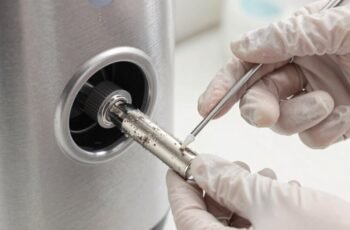
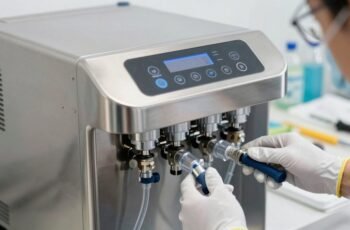
Replacing your water ionizer filter involves a systematic process that guarantees peak performance and water quality. First, make certain the unit is unplugged and water flow is turned off. Next, carefully detach the filter housing using appropriate tools; avoid applying excessive force. Then, remove the old filter, inspecting for sediment or build-up that could indicate system issues. Finally, insert the new filter, ensuring it is seated correctly, reassemble the housing securely, and restore water flow. Follow these steps precisely to prevent leaks or damage:
- Turn off the water supply and unplug the device.
- Remove the filter housing using a suitable wrench.
- Extract the used filter, disposing of it properly.
- Insert the new filter, reassemble, and turn the water back on.
Tips for Choosing the Right Replacement Filter for Your Device
Selecting the appropriate replacement filter requires careful consideration of your device’s specifications and water quality needs. First, verify the filter compatibility with your model, focusing on size, connection type, and filtration capacity. Assess your local water source; if your water contains high levels of chlorine, heavy metals, or sediments, choose a filter rated for those specific contaminants. Look for filters with certifications from recognized standards organizations, such as NSF or ANSI, to guarantee efficacy and safety. Consider the filter’s lifespan relative to your usage patterns, and confirm it matches your maintenance schedule. Finally, evaluate the filtration media—activated carbon, mineral blends, or specialty media—as each targets different impurities. Making an informed choice guarantees top-notch performance and water quality tailored to your needs.
How Often Should You Change Your Water Ionizer Filter?
Determining the ideal replacement interval depends on manufacturer recommendations, typically every 6 to 12 months. We also consider signs of filter wear, such as reduced water flow or changes in taste, which indicate the need for replacement. Proper timing guarantees consistent water quality and peak device performance.
Recommended Replacement Intervals
Understanding the recommended replacement intervals for your water ionizer filter is essential to maintaining ideal filtration performance and guaranteeing water quality. Typically, filters should be replaced based on usage and water quality, but general guidelines are as follows:
- Replace pre-filters every 6–12 months to prevent clogging and maintain flow rate.
- Change mineral or alkaline filters every 12–24 months for optimal pH balance.
- Switch out carbon filters annually to preserve contaminant removal efficiency.
- Conduct a thorough system review annually to verify filter integrity and performance.
Adhering to these intervals ensures the system operates at peak efficiency, preventing contamination buildup and water quality degradation. Precise timing prevents unnecessary wear, extending system lifespan and safeguarding health.
Signs of Filter Wear
Regularly inspecting your water ionizer filter helps guarantee it continues to perform effectively and maintains water quality. Signs of filter wear include a noticeable decline in water flow rate, which indicates clogging or reduced filter efficacy. Additionally, a change in water taste or odor, such as metallic or sulfur-like notes, signals filter degradation or saturation. Visual inspection for discoloration, sediment buildup, or membrane discoloration is also essential, as these signs reflect accumulated impurities. Increased resistance during filtration or inconsistent pH levels can further indicate filter deterioration. Monitoring these indicators allows timely replacement, preventing compromised water quality and maintaining ideal ionizer performance. Regular assessment ensures the filter’s filtration capacity remains within operational specifications, safeguarding both water purity and appliance longevity.
Impact on Water Quality
How often you should change your water ionizer filter directly impacts the quality of the water you consume. Regular replacement guarantees ideal filtration performance, preventing contamination and maintaining water alkalinity. Delayed changes can lead to:
- Reduced removal of contaminants like heavy metals and bacteria, compromising health.
- Decreased pH levels, affecting water’s alkalinity and therapeutic benefits.
- Increased bacterial growth within the filter, risking waterborne illnesses.
- Diminished ionization efficiency, lowering antioxidant properties and taste quality.
To preserve water purity and health benefits, adhere to manufacturer guidelines, typically replacing filters every 6 to 12 months. Proper timing is essential to sustain water quality and maximize the device’s lifespan.
Troubleshooting Common Issues During Filter Replacement
When replacing the water ionizer filter, issues such as leaks, low water flow, or unusual noises can arise if the process isn’t executed correctly. To troubleshoot effectively, verify proper installation, ensure seals are secure, and confirm the filter is aligned correctly. If leaks occur, check for damaged O-rings or improper fitting. Low water flow may result from a clogged filter or incorrect placement, requiring inspection or replacement. Unusual noises often indicate air trapped within the system or loose fittings.
| Issue | Common Cause | Resolution |
|---|---|---|
| Leaks | Damaged seal or improper fit | Replace seal or re-fit securely |
| Low Water Flow | Clogged filter or misalignment | Clean or replace filter |
| Unusual Noises | Air trapped or loose fittings | Purge air, tighten fittings |
Maintenance Tips to Extend the Life of Your Water Ionizer
To maximize the lifespan of your water ionizer, consistent maintenance is essential. Proper care guarantees maximum performance and prevents costly repairs. Here are key tips to extend its durability:
- Regularly inspect and clean the electrodes to prevent mineral buildup, which can impair ionization efficiency.
- Flush the system with clean water after each use, especially if the device isn’t operated frequently, to prevent stagnation and bacterial growth.
- Replace filters and membranes promptly per manufacturer instructions to maintain water quality and system integrity.
- Perform periodic sterilization using approved cleaning agents to eliminate biofilm and mineral deposits.
Adhering to these precise maintenance routines guarantees your water ionizer functions at peak efficiency, safeguarding your investment and ensuring consistent water quality.
What to Do If Your Filter Replacement Doesn’t Improve Water Quality?
Even after replacing the filter according to the manufacturer’s guidelines, water quality issues can persist. This may indicate issues beyond the filter itself, such as mineral buildup within the ionizer or improper installation. First, verify that the replacement filter is compatible and installed correctly, ensuring no leaks or misalignments. Next, perform a thorough cleaning of the unit, including the internal chambers and electrodes, to remove mineral deposits that can impair performance. Conduct a water test to identify specific contaminants or mineral levels that may be impacting quality. If problems remain, consider assessing your water source’s overall quality or installing pre-filtration systems to reduce load on the ionizer. Persistent issues may require professional inspection to diagnose underlying mechanical or system-related faults.
Frequently Asked Questions
Can I Use a Generic Filter Instead of the Manufacturer’s Recommended One?
Yes, you can use a generic filter, but we recommend sticking to the manufacturer’s recommended filter for peak performance and longevity, as generic options may not meet the same quality standards and could affect water quality or device function.
Are There Environmental Concerns With Disposing of Used Filters?
Disposing of used filters can pose environmental concerns due to potential chemical leaching and non-biodegradable materials. We recommend recycling or proper disposal methods, like designated hazardous waste facilities, to minimize environmental impact and adhere to local regulations.
How Do I Reset the Filter Replacement Indicator on My Device?
We press and hold the filter reset button for about five seconds until the indicator flashes or resets. Consult your device’s manual for specific instructions, as some models may have different reset procedures or require powering off beforehand.
Can I Clean and Reuse My Water Ionizer Filter?
We recommend against cleaning and reusing your water ionizer filter, as it can compromise filtration efficiency and safety. Replace the filter per manufacturer instructions for the best performance and to guarantee water quality and device longevity.
What Should I Do if My Water Tastes Metallic After Replacement?
If your water tastes metallic after replacement, we recommend flushing the system thoroughly with fresh water, verifying proper filter installation, and inspecting for any residual debris or mineral buildup, which could be causing the metallic taste.
Conclusion
Regularly replacing our water ionizer filter is like tending to a vital engine—ensuring every component runs smoothly and efficiently. By maintaining this simple yet essential task, we preserve the purity and mineral balance of our water, much like fine-tuning a precision instrument. When we stay proactive, we prevent contamination and prolong the device’s lifespan, guaranteeing consistent access to clean, healthful water. It’s a small step that safeguards our well-being with unwavering reliability.