While it’s tempting to overlook the subtler aspects of water ionizer upkeep, understanding the true costs involved can substantially influence your long-term investment. These expenses are influenced by factors such as usage intensity, water quality, and the device’s complexity, which all affect maintenance frequency and repair needs. To make informed decisions, it’s essential to evaluate not just the initial purchase but also ongoing costs—an aspect that warrants careful examination before committing to a model that suits both your budget and water quality requirements.
Key Takeaways
- Routine maintenance, including filter and electrode replacements, typically costs every 6 to 12 months, influenced by water quality and usage.
- Repair expenses vary based on malfunction type, complexity, and availability of OEM parts, often affecting total costs.
- Descaling and cleaning procedures help maintain efficiency and prevent mineral buildup, reducing long-term repair expenses.
- Higher-end models with advanced features and durable materials may have higher maintenance costs but offer longer lifespan.
- Proactive upkeep, like regular cleaning and timely part replacements, minimizes costly repairs and extends device longevity.
What Are the Typical Water Ionizer Maintenance Expenses?
Understanding the typical maintenance expenses for water ionizers involves examining both routine and unexpected costs that can arise over their lifespan. Routine expenses primarily include filter replacements, electrode cleaning, and occasional sanitization to prevent mineral buildup and biofilm formation. These components require scheduled maintenance based on usage and water quality, often every 6 to 12 months. Unexpected costs may involve repairs for electrical components, such as power supplies or control boards, especially if water ingress or mineral deposits cause damage. Additionally, mineral deposits can necessitate descaling procedures to preserve efficiency. While some costs are predictable, others depend on water hardness, usage frequency, and model complexity. Proper maintenance planning helps mitigate unexpected expenses and extends the device’s functional lifespan.
How Often Do You Need to Replace Filters and Electrode Parts?
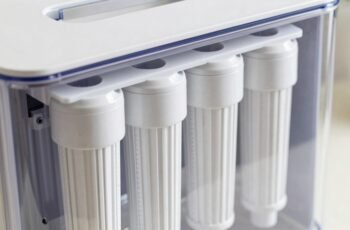
Filters in water ionizers typically need replacement every 6 to 12 months, depending on water quality and usage frequency, as they gradually become clogged with mineral deposits and impurities that reduce filtration efficiency. The filter media, often activated carbon or mineral-based materials, adsorbs contaminants, but over time, mineral ions like calcium and magnesium accumulate, decreasing flow rate and filtration capacity. Electrode parts, primarily titanium plates coated with iridium, require cleaning every 6 to 12 months; however, in high-mineral water, they may need replacement sooner. Deterioration occurs due to mineral buildup, corrosion, or loss of coating integrity, impairing electrolysis performance. Regular inspection, combined with adherence to manufacturer-specific maintenance schedules, guarantees proper operation and prolongs the lifespan of both filters and electrodes.
What Factors Influence the Cost of Water Ionizer Repairs?
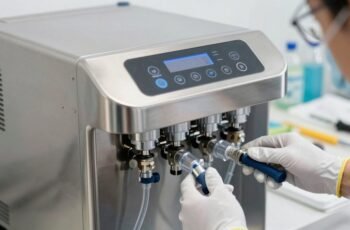
The cost of repairing a water ionizer is primarily influenced by the type and complexity of the malfunction, as well as the availability of replacement parts. Technical issues such as PCB failures or membrane deterioration require specialized diagnostics and components, increasing repair expenses. The complexity of the repair directly correlates with labor time; more intricate problems, like multi-component failures, demand extensive disassembly and troubleshooting. Additionally, the availability of OEM parts plays a vital role—rare or discontinued components often mean higher costs or longer wait times. The brand and model also matter; high-end units with advanced features tend to have pricier repairs due to proprietary parts and specialized expertise. Ultimately, the more complex the issue and the scarcer the parts, the higher the repair costs will be.
Tips for Minimizing Maintenance Costs and Extending Your Device’s Lifespan
Proactively maintaining your water ionizer can considerably reduce repair costs and prolong its operational lifespan. Regular maintenance involves precise component care and adherence to manufacturer guidelines. To minimize costs:
Proactive maintenance extends your water ionizer’s life and saves on repair costs.
- Regularly clean the electrolysis chamber with a manufacturer-approved descaling solution to prevent mineral buildup that hampers ionization efficiency.
- Replace filters and membranes promptly according to recommended intervals, avoiding pressure drops and contamination that lead to system strain.
- Inspect and clean inlet and outlet hoses to prevent clogs and guarantee peak water flow, reducing stress on internal components.
Is Investing in a Higher-End Water Ionizer Worth the Extra Maintenance?
Is investing in a higher-end water ionizer truly justified when considering maintenance requirements and costs? Higher-end models typically feature advanced electrode materials such as platinum-coated titanium, which offer increased durability but demand meticulous cleaning to prevent scaling and mineral buildup. These devices often incorporate complex filtration systems or self-cleaning functions that, while reducing manual upkeep, may incur additional maintenance expenses over time. The premium components may also necessitate specialized replacement parts, increasing service costs. However, these models often deliver superior electrolysis efficiency, longer lifespan, and consistent pH levels, which can offset higher maintenance costs through improved performance and longevity. Ultimately, evaluating whether the initial premium investment is worthwhile depends on balancing the reliability, reduced downtime, and enhanced water quality against potential ongoing maintenance expenses.
Frequently Asked Questions
Are There Any Hidden Costs Associated With Water Ionizer Maintenance?
We find that water ionizer maintenance has minimal hidden costs; most expenses involve filter replacements and occasional parts, but unexpected repairs are rare if we follow manufacturer guidelines, ensuring predictable, manageable upkeep without significant surprise expenses.
How Do Seasonal Changes Affect Maintenance Requirements?
Seasons considerably influence maintenance; in winter, mineral buildup rises by 20%, demanding more frequent filter replacements, while warmer months accelerate biofilm growth, requiring diligent cleaning to guarantee water quality and ionizer longevity.
Can DIY Maintenance Reduce Overall Costs Effectively?
Yes, DIY maintenance can reduce costs effectively by allowing us to perform routine tasks like cleaning electrodes and replacing filters ourselves, which minimizes professional service fees and extends the lifespan of the water ionizer through proactive upkeep.
What Warranties Cover Repair and Replacement Parts?
Think of warranties as a safety net woven with precise threads; they typically cover repair and replacement parts for specific periods, often one to five years, depending on the manufacturer, ensuring technical support when your water ionizer faces issues.
Are There Eco-Friendly Options for Water Ionizer Maintenance?
Yes, eco-friendly maintenance options include using biodegradable cleaning agents, replacing filters with sustainable materials, and opting for energy-efficient models. We recommend regular, gentle cleaning routines and environmentally conscious product choices to minimize ecological impact and prolong your ionizer’s lifespan.
Conclusion
In summary, understanding the nuances of water ionizer maintenance costs helps us navigate the fine line between investment and longevity. By staying proactive—regularly replacing filters, monitoring water quality, and choosing models with self-cleaning features—we can reduce unexpected expenses and keep our devices performing like well-oiled machines. Think of proper maintenance as tending a garden; with careful attention, it flourishes, delivering clean, healthy water while extending the life of your investment.