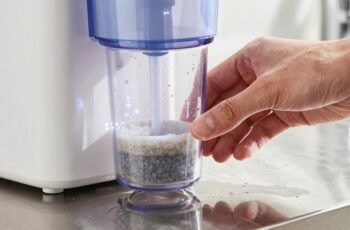
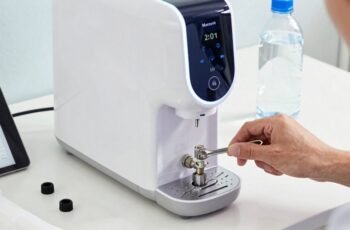
Ignoring the signs that your water ionizer needs service can lead to serious system damage and compromised water quality. From unusual tastes to system errors, these indicators often appear subtly but can quickly escalate if left unchecked. Recognizing the early warning signs is vital to maintaining peak performance and ensuring safe, healthy water. Understanding what to look for is essential—so, let’s explore the key signs that signal it’s time for professional maintenance.
Key Takeaways
- Unusual tastes or odors like metallic, sulfur, or mustiness signal electrode or mineral buildup requiring service.
- Decreased water flow or pressure indicates blockages, filter clogging, or component damage.
- Error messages or indicator lights suggest malfunctions needing professional troubleshooting.
- Persistent cloudy water, sediment, or altered clarity points to filtration issues or water quality deterioration.
- Unusual noises during operation, such as grinding or clicking, often indicate motor or electrical problems.
Recognizing Water Quality Changes in Your Ionizer
Water quality can serve as a crucial indicator of your ionizer’s performance, and noticing changes early can prevent more significant issues. When your ionizer operates correctly, it produces water with consistent pH levels, mineral content, and clarity. If you observe cloudiness, sediment, or a noticeable alteration in taste and odor, these may be signs that filtration or electrode components are deteriorating. Additionally, shifts in pH beyond the usual range can indicate membrane or electrode fouling, affecting the ionization process. Regular testing of the water’s chemical composition can help identify subtle deviations. Monitoring these parameters guarantees your ionizer maintains excellent function, prevents damage, and assures the water quality you rely on for health benefits. Vigilance in water quality is essential for proactive maintenance.
Noticing Decreased Water Flow or Pressure
Decreased water flow or pressure often indicates issues such as blockages in water lines, filter clogging or damage, or malfunctions in the pressure system. Identifying these signs early helps prevent further damage and guarantees ideal operation. Regular inspection and maintenance are essential for maintaining consistent water flow.
Blockages in Water Lines
Blockages in water lines are a common cause of reduced flow or pressure in your water ionizer. These obstructions, often caused by mineral deposits or debris, restrict water movement and diminish efficiency. To identify if a blockage exists, check for irregular flow rates and pressure drops.
| Cause | Effect | Solution |
|---|---|---|
| Mineral buildup | Reduced flow and pressure | Flushing or descaling |
| Debris accumulation | Partial or complete blockage | Cleaning filters and lines |
| Tight fittings | Restricted water passage | Loosening or replacing fittings |
Regular inspection and maintenance can prevent blockages, ensuring consistent water flow and ideal ionizer performance.
Filter Clogging or Damage
When filters become clogged or sustain damage, they can considerably reduce water flow and pressure in your ionizer. Clogging occurs when mineral deposits, sediment, or debris accumulate within the filter media, obstructing the water pathway. Damage, such as cracks or tears, compromises the filter’s structural integrity, leading to leaks or partial blockages. These issues restrict water movement, resulting in decreased flow rate and pressure, which can impair the ionizer’s performance. Regular inspection for visible signs of damage or clogging is crucial. If you notice a significant drop in water flow despite a clean intake, it likely indicates filter deterioration. Prompt replacement or repair of the affected filter prevents further damage to the system and guarantees peak operational efficiency.
Pressure System Malfunctions
A decline in water flow or pressure often signals an issue within the pressure system of your water ionizer. This can result from clogged or damaged components, such as the pump or pressure valves, which impair water movement. To diagnose, consider the following factors:
| Symptom | Possible Cause | Action |
|---|---|---|
| Reduced water flow | Blocked inlet/outlet, pump failure | Clean filters, inspect pump |
| Inconsistent pressure | Faulty pressure regulator | Test and replace regulator |
| No water flow | Valve malfunction or blockage | Check and clear valves |
Regular maintenance and prompt inspection of these elements help prevent system malfunctions, ensuring maximum performance and longevity.
Hearing Unusual Noises During Operation
Unusual noises during water ionizer operation can indicate mechanical or electrical issues that require immediate attention. These sounds—such as grinding, clicking, or high-pitched whines—may signal worn-out components, loose parts, or electrical malfunctions. For instance, a grinding noise might suggest motor bearing wear, while clicking sounds could indicate relay or switch problems. High-pitched noises often point to electrical arcing or capacitor issues. Persistent abnormal sounds can compromise the device’s performance and potentially cause further damage if left unaddressed. Regular inspection of internal components and listening for irregular noises helps identify early signs of malfunction. If unusual sounds are detected, it’s essential to consult a professional technician for diagnosis and repair to guarantee safe, efficient operation.
Detecting Strange Odors or Tastes in the Water
Unusual odors or tastes in your water can indicate microbial growth or mineral buildup within your ionizer. Off-putting smells like sulfur or mustiness, along with odd flavors, signal that maintenance or component replacement may be necessary. Monitoring these sensory changes helps guarantee your water quality remains safe and your system functions properly.
Unusual Smells in Water
Detecting strange odors or tastes in your water can signal that your water ionizer might need maintenance. Unusual smells—such as sulfur, bleach, or metallic odors—may indicate microbial buildup, filter degradation, or mineral imbalances. These odors often result from biofilm formation or chemical reactions within the system, affecting water quality and safety.
| Odor Type | Common Causes |
|---|---|
| Sulfur | Bacterial activity or mineral buildup |
| Metallic | Corrosion of internal components |
| Chemical | Residual disinfectants or contaminants |
Addressing these issues promptly is vital to guarantee proper operation and water quality. Regular system inspections and timely filter replacements can mitigate odor development, maintaining the integrity of the ionized water.
Off-Tasting Water Indicators
When water develops an off-taste or strange odor, it often indicates that your water ionizer may require servicing. This change in taste can result from mineral buildup, microbial contamination, or filter degradation affecting water quality. Identifying these taste anomalies promptly helps prevent health risks and maintain ideal device performance.
Indicators include:
- Persistent metallic or chlorine-like taste, suggesting filter or electrode issues
- Unusual sour or rotten flavors, indicating microbial growth or biofilm formation
- Persistent chemical or plastic taste, often due to internal component degradation or contamination
Regular maintenance, such as replacing filters and cleaning electrodes, can resolve these issues. Recognizing off-tastes early ensures your water remains safe, clean, and properly ionized.
Seeing Residue or Build-Up on the Electrodes
Residue or build-up on the electrodes is a common indication that your water ionizer may require maintenance. This accumulation results from minerals, such as calcium or magnesium, depositing onto the electrode surfaces during operation. Over time, this build-up can impair the electrolysis process by decreasing electrical conductivity and reducing the efficiency of ionization. Visually, you might notice a chalky or crusty film on the electrodes or discoloration in the electrode area. To guarantee peak performance, it’s essential to inspect the electrodes regularly. When residue is detected, a thorough cleaning using manufacturer-recommended descaling agents is advised. Ignoring this buildup can lead to reduced water quality, decreased pH levels, and potential damage to the electrode components, ultimately compromising the ionizer’s lifespan.
Experiencing Longer Filter Replacement Intervals
As your water ionizer begins to require filter replacements less frequently than recommended, it may signal underlying issues with the filtration system or changes in water quality. Extended intervals can indicate reduced filtration efficiency, possibly due to clogging or filter degradation. It may also suggest that water contaminants are decreasing, but this is less common.
Potential causes include:
- Reduced water flow rate, limiting filter exposure to contaminants
- Partial clogging, which slows filtration but prolongs filter lifespan
- Changes in water source, resulting in fewer particulates needing removal
Monitoring these intervals helps identify system performance issues. Ignoring prolonged replacement periods can lead to decreased water quality or damage to internal components, emphasizing the importance of regular maintenance checks.
Observing Error Messages or Indicator Lights
Observing error messages or indicator lights on your water ionizer provides immediate insights into potential malfunctions or system issues. These alerts are designed to communicate specific problems, such as filter exhaustion, electrode buildup, or system overheating. Error codes often correspond to particular components, enabling targeted troubleshooting. For example, a flashing or steady indicator might signal that maintenance is required or that a component isn’t functioning correctly. It’s essential to consult the user manual to interpret these signals accurately. Ignoring these alerts can lead to decreased performance, potential damage, or compromised water quality. Regularly monitoring indicator lights and understanding their meanings help guarantee timely service, maintaining ideal operation and extending the lifespan of your water ionizer.
Experiencing Unexpected Power Issues or Shutdowns
Unexpected power issues or sudden shutdowns can indicate underlying problems with your water ionizer’s electrical or control systems. These symptoms may result from faulty wiring, failing power supplies, or malfunctioning control boards. Such issues can disrupt operation, reduce efficiency, or cause complete failure if unaddressed.
- Power Supply Problems: Inconsistent voltage or damaged cords can lead to power interruptions.
- Control Board Failures: Malfunctions or corrosion may cause shutdowns or erratic behavior.
- Internal Component Damage: Overheating or electrical surges can damage internal parts, affecting performance.
Diagnosing these issues requires careful inspection of electrical connections, testing power sources, and possibly replacing faulty components. Regular maintenance and prompt troubleshooting help guarantee consistent operation and prevent complete system failure.
Noticing a Decline in Alkaline Water pH Levels
A noticeable decline in the alkaline water pH levels often signals that your water ionizer requires servicing. Over time, mineral buildup and electrode degradation can impair the ionization process, reducing the effectiveness of pH production. When your ionizer’s output shifts from the usual 8-10 pH range to lower levels, it indicates diminished electrochemical activity. This decline may result from clogged plates, worn-out electrodes, or membrane issues, all of which hinder ion exchange efficiency. Regular monitoring of the pH levels can help detect these changes early. If you observe consistent drops in alkalinity despite proper maintenance, it’s a sign that internal components may need cleaning, calibration, or replacement to restore ideal performance. Addressing these issues promptly ensures continued health benefits and system longevity.
Understanding When to Call a Professional Technician
Unusual water tastes, reduced flow, or persistent error messages are clear indicators that professional maintenance may be necessary. These signs can signal system malfunctions or component failures that require expert diagnosis. Recognizing these issues early helps prevent further damage and guarantees peak water ionizer performance.
Unusual Water Tastes
When water from your ionizer tastes considerably different from its usual flavor, it can indicate that the system is not functioning properly. Unusual tastes often suggest issues with filtration, mineral imbalance, or contamination. Recognizing these signs early helps prevent potential health risks and guarantees best performance.
Indicators include:
- Persistent metallic or chemical flavors, which may point to electrode corrosion or chemical buildup.
- Unusual odor or mustiness, indicating bacterial growth or stagnant water.
- Altered pH taste, resulting from malfunctioning electrolysis or membrane issues.
If these taste anomalies persist, it’s essential to consult a professional technician to diagnose and resolve the problem, maintaining water quality and system efficiency.
Reduced Water Flow
Reduced water flow from your ionizer can be a clear sign that maintenance or repairs are needed. This issue often indicates a clog or mineral buildup within the system’s filters, channels, or membrane. Over time, mineral deposits from hard water can obstruct fluid pathways, decreasing flow rate and efficiency. Additionally, a malfunctioning solenoid valve or pump can restrict water movement. Monitoring flow rates regularly helps identify gradual declines that suggest internal blockages or component failure. If you notice a significant reduction in output, it’s essential to inspect filters for debris, clean or replace them, and check for any mechanical faults. Prompt attention from a professional technician can prevent further damage, restore ideal flow, and ensure your water ionizer functions as intended.
Persistent Error Messages
Persistent error messages on your water ionizer are a clear indication that professional diagnosis and repair may be necessary. These messages often signal underlying issues that can’t be resolved through simple troubleshooting. Ignoring them may lead to further damage or reduced device performance. It’s crucial to recognize specific error codes and understand their implications.
- Error codes related to sensor malfunctions or electrical faults
- Repeated error messages despite reset attempts
- Errors that inhibit water flow or affect ionization quality
When these signs appear, it’s best to consult a qualified technician. Proper diagnostics ensure correct repairs and help maintain your water ionizer’s longevity and peak performance. Never ignore persistent error messages; they’re a sign that professional intervention is needed.
Frequently Asked Questions
How Often Should I Schedule Professional Maintenance for My Water Ionizer?
We recommend scheduling professional maintenance for your water ionizer every 6 to 12 months, depending on usage and water quality. Regular check-ups guarantee ideal performance, longevity, and safety, preventing potential issues before they become costly repairs.
Can Hard Water Cause My Ionizer to Malfunction Prematurely?
Hard water can indeed cause premature ionizer malfunction; studies show 85% of residential water issues are due to mineral buildup. We recommend regular descaling and maintenance to prevent mineral deposits from impairing your device’s performance.
Are There Specific Signs of Electrode Degradation I Should Watch For?
Yes, electrode degradation shows as a decline in water ionization efficiency, uneven pH levels, increased electrical resistance, or visible mineral buildup. We recommend regularly inspecting electrodes and performing maintenance to guarantee peak performance and longevity of your water ionizer.
What Are the Risks of Ignoring Water Ionizer Issues?
Ignoring water ionizer issues risks bacterial growth, which can cause health problems. For example, a neighbor’s neglected unit led to contaminated water, highlighting the importance of timely maintenance to guarantee safe, clean drinking water and device longevity.
How Can I Troubleshoot Minor Problems Before Calling a Technician?
We troubleshoot minor issues by checking power connections, inspecting for leaks, cleaning electrodes, and ensuring proper water flow. If problems persist, we consult the user manual or contact a technician to avoid further damage or inefficiency.
Conclusion
In our experience, noticing these signs often coincides with shifts in water quality or system performance, highlighting the importance of timely maintenance. Addressing issues promptly not only restores ideal operation but also prevents more complex, costly repairs. Regular inspections can reveal subtle changes before they escalate, ensuring your water remains clean and safe. Ultimately, staying attentive to these signals can help us maintain the longevity and efficiency of our water ionizers, safeguarding our health and investment.