Maintaining the efficiency of a water ionizer depends heavily on proper electrode cleaning, as mineral deposits like calcium and magnesium can impair ionization performance over time. Regular inspection and careful removal of buildup are essential to preserve water quality and extend device lifespan. Understanding the best cleaning practices and solutions is critical, yet many users overlook these steps or delay maintenance, risking costly repairs. Exploring effective methods can guarantee consistent results and peak operation.
Key Takeaways
- Disconnect power and carefully remove electrode plates following manufacturer instructions for safe cleaning.
- Rinse electrodes with distilled water to eliminate loose debris before applying cleaning solutions.
- Use natural (vinegar, citric acid) or commercial cleaners to dissolve mineral buildup effectively.
- Gently scrub deposits with a soft brush, then thoroughly rinse to prevent chemical residue.
- Schedule regular cleaning based on water quality to maintain optimal electrode performance and lifespan.
How Do Water Ionizer Electrodes Work and Why Are They Prone to Buildup
Water ionizer electrodes function by applying an electrical current to water, splitting it into alkaline and acidic streams through electrolysis. The electrodes, typically made of titanium coated with platinum, facilitate ion exchange by conducting electrons while resisting corrosion. During operation, mineral ions like calcium, magnesium, and iron are attracted to the electrodes’ surfaces, leading to mineral deposition over time. This buildup results from electrochemical reactions and mineral saturation, which can reduce electrode efficiency. The continuous flow of mineral-rich water accelerates this process, causing the formation of scale and biofilm layers. Consequently, electrodes become less conductive, impairing ionization quality. Understanding this mechanism helps us grasp why regular cleaning is essential to maintain electrode performance and prevent excessive mineral accumulation.
Signs Your Water Ionizer Electrodes Need Cleaning
Over time, the efficiency of your water ionizer electrodes diminishes when mineral buildup and biofilm layers develop, which can be identified through specific operational signs. A key indicator is a decline in the quality of the alkaline or acidic water produced, evidenced by inconsistent pH levels or reduced ionization capacity. You might notice decreased water flow rate or a longer processing time, signaling increased resistance caused by deposits. Additionally, irregular electrode voltage readings or error messages from the device’s control panel often point to compromised electrode surfaces. Unusual odors or flavors in the water can also suggest biofilm formation, impacting both performance and water purity. Recognizing these signs early ensures timely maintenance and effective ionizer functionality.
Preparing Your Water Ionizer for Effective Electrode Cleaning
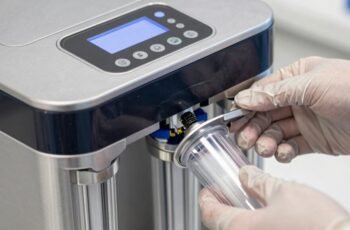
Before initiating the cleaning process, it’s important to properly prepare your water ionizer to guarantee effective and safe electrode maintenance. Begin by disconnecting the power supply to prevent electrical hazards. Next, drain any remaining water from the unit to avoid spillage during disassembly. Remove the electrode plates carefully, following manufacturer instructions, to prevent damage. Inspect the surrounding components for debris or mineral buildup, confirming they are clean and unobstructed. Verify that the water flow paths are clear to avoid contamination or improper cleaning. Finally, gather all necessary cleaning supplies, such as brushes or specific cleaning solutions, to ensure readiness. Proper preparation minimizes the risk of damage, enhances cleaning efficiency, and guarantees the safety of both the device and user during maintenance.
Step-by-Step Guide to Cleaning Water Ionizer Electrodes
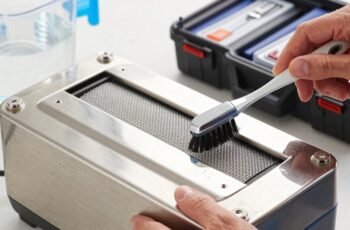
To effectively clean the electrodes of your water ionizer, we need to follow a systematic, step-by-step process to guarantee thorough removal of mineral deposits and buildup. First, disconnect the power supply and remove the electrode assembly according to the manufacturer’s instructions. Next, carefully rinse the electrodes with distilled water to eliminate loose debris. Then, apply a suitable cleaning solution, such as a prescribed descaling agent, ensuring full coverage of the electrode surfaces. Use a non-abrasive brush or soft cloth to gently scrub any persistent deposits, avoiding damage to the electrode material. Once cleaned, rinse thoroughly with distilled water to remove residual cleaning agents. Finally, reassemble the electrodes securely, reconnect the power, and run a flush cycle to verify proper operation.
Natural and Commercial Cleaning Solutions for Electrodes
When selecting cleaning solutions for water ionizer electrodes, it’s essential to take into account both natural and commercial options based on their effectiveness and safety. Natural solutions, such as diluted vinegar or citric acid, provide chemical-free alternatives with proven efficacy in dissolving mineral deposits. These agents are non-toxic and environmentally friendly, making them suitable for regular maintenance. Commercial cleaning products are specially formulated to remove scale buildup efficiently, often containing acids like phosphoric or hydrochloric acid, designed for quick and thorough cleaning. However, their use requires careful handling to prevent corrosion or damage to electrode surfaces. Both options should be chosen based on the level of contamination, material compatibility, and safety considerations to guarantee peak electrode performance without compromising device integrity.
Tips for Maintaining Clean Electrodes and Extending Their Lifespan
How can we effectively maintain clean electrodes and maximize their lifespan? Consistent maintenance is essential for peak performance and durability. First, schedule regular cleaning intervals based on water quality and usage levels to prevent mineral buildup. Second, employ appropriate cleaning agents—preferably mild acids or specialized electrode cleaners—to dissolve deposits without damaging the electrode surface. Third, perform thorough rinsing post-cleaning to eliminate residual chemicals, ensuring no corrosion or residue remains. Adhering to manufacturer-recommended procedures minimizes corrosion risk and maintains electrical conductivity. Additionally, inspecting electrodes periodically for signs of wear or corrosion allows early intervention, preventing costly replacements. Implementing these precise steps ensures the electrodes remain effective, prolongs operational lifespan, and sustains water ionizer efficiency.
Troubleshooting Common Electrode Cleaning Challenges
Electrode cleaning can present several challenges that hinder ideal performance, especially when mineral deposits or chemical residues resist removal. Persistent scale buildup, particularly from calcium or magnesium, can form dense layers that are difficult to dislodge with standard cleaning methods. Chemical residues from improper cleaning solutions may also adhere strongly, reducing conductivity. In such cases, mechanical agitation or specialized descaling agents might be necessary. Additionally, uneven application of cleaning solutions can lead to incomplete removal of deposits. Residual contaminants can cause inconsistent ionization or electrode corrosion over time. To troubleshoot, verify the effectiveness of cleaning agents, ensure proper application techniques, and consider more aggressive descaling protocols when deposits are stubborn. Precise diagnostics are essential to restore ideal electrode performance and extend lifespan.
When to Seek Professional Help for Water Ionizer Maintenance
Despite diligent cleaning and maintenance efforts, there are instances when issues persist or worsen, indicating that professional intervention is necessary. Recognizing these signs ensures ideal water quality and device longevity. Seek professional help if:
- The electrode assembly shows persistent corrosion or mineral buildup despite cleaning attempts.
- The unit produces inconsistent pH levels or fails to generate the expected ionization results.
- The water flow rate decreases markedly or the device displays error codes indicating internal malfunctions.
These issues often require specialized diagnostics and repair beyond routine cleaning. Attempting to resolve complex electrical or mechanical problems without proper expertise can cause further damage or void warranties. Regular professional maintenance guarantees the device operates efficiently and maintains water quality standards.
Frequently Asked Questions
How Often Should I Clean My Water Ionizer Electrodes?
We recommend cleaning your water ionizer electrodes every one to three months, depending on water quality and usage. Regular cleaning maintains ideal ionization efficiency, prevents mineral buildup, and guarantees consistent alkaline and acidic water production.
Can Cleaning Products Damage the Electrode Surfaces?
Cleaning products can damage electrode surfaces if they’re abrasive or contain harsh chemicals. We recommend using manufacturer-approved cleansers specifically formulated for water ionizers to guarantee safe, effective cleaning without risking surface degradation or performance loss.
Are There Specific Cleaning Methods for Different Water Ionizer Models?
Think of each water ionizer model as a unique musical instrument; we follow specific cleaning methods tailored to each, ensuring precise maintenance without damage. Always consult the manufacturer’s guidelines to preserve your device’s peak performance and longevity.
What Are the Health Risks of Not Cleaning Electrodes Regularly?
Neglecting regular electrode cleaning can lead to bacterial buildup, reduced ionizer efficiency, and potential contamination of water, risking health issues like infections or exposure to unwanted substances. Consistent maintenance guarantees ideal performance and safety for users.
How Do I Prevent Mineral Buildup on New Electrodes?
To prevent mineral buildup on new electrodes, we meticulously rinse with deionized water after each use, regularly perform controlled cleaning cycles, and monitor water quality to minimize mineral content, ensuring ideal electrode performance and longevity.
Conclusion
Regular cleaning guarantees ideal performance, prolongs electrode lifespan, and maintains water quality. By inspecting, cleaning, and maintaining our electrodes diligently, we prevent mineral buildup, avoid costly repairs, and promote efficient ionization. Following proper procedures, using eco-friendly solutions, and adhering to manufacturer guidelines guarantees consistent results. Ultimately, proactive maintenance fosters reliable operation, preserves electrode integrity, and sustains the health benefits of clean, ionized water for years to come.