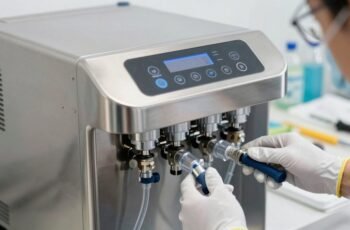
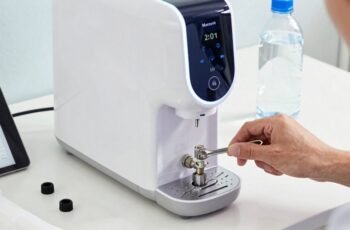
It’s often assumed that water ionizer issues are solely caused by water quality, but the reality is more complex; internal electrical components, electrode condition, and maintenance routines also play significant roles. These factors can subtly influence pH stability, electrolysis efficiency, and overall performance, making troubleshooting a nuanced process. Understanding the underlying mechanisms is essential for effective diagnosis and repair, yet many users overlook these technical details—prompting us to explore the common causes behind persistent performance problems.
Key Takeaways
- Inconsistent pH levels often result from mineral buildup, electrode degradation, or calibration drift.
- Reduced electrolysis output may be caused by clogged filters, water quality issues, or electrical faults.
- Mineral buildup on electrodes decreases conductivity and efficiency, leading to lower alkalinity and energy loss.
- Regular maintenance, including cleaning and filter replacement, is essential to prevent performance decline.
- Persistent issues like error codes or low flow rates indicate the need for professional repair or component replacement.
What Are Common Water Ionizer Performance Problems?
Water ionizer performance issues often stem from a combination of electrical, mineral, and maintenance factors that can compromise the device’s efficiency. Common problems include inconsistent pH levels, reduced electrolysis output, and mineral buildup on electrodes. Electrical issues, such as faulty wiring or power supply fluctuations, can cause irregular operation or shutdowns. Mineral deposits, particularly calcium and magnesium, accumulate on electrode surfaces, decreasing conductivity and ionization capacity. Inadequate or improper maintenance, like infrequent cleaning or filter replacement, leads to clogging and diminished performance. These factors directly impact ionization quality, resulting in weak alkaline or acidic water. Troubleshooting requires a detailed assessment of electrical connections, electrode cleanliness, and mineral management to restore ideal operation and extend device lifespan.
Why Does My Water pH Fluctuate or Stay Inconsistent?
When pH levels fluctuate or remain inconsistent during water ionization, several technical factors may be at play. Variations often stem from fluctuations in incoming water quality, such as changes in mineral content or pH before filtration. Inconsistent water flow rates caused by pump issues or clogged filters can also disrupt ionization stability. Additionally, temperature fluctuations impact the electrochemical process, as higher temperatures reduce ion exchange efficiency. Electrode degradation over time diminishes their capacity to maintain stable pH levels, especially if not properly maintained. Calibration drift of the control board or pH sensors can further contribute to inconsistency, causing the system to misjudge the water’s pH and adjust outputs improperly. These interconnected factors can lead to unpredictable pH results during operation.
How Can Mineral Buildup Affect Your Ionizer’s Efficiency?
Mineral buildup within an ionizer’s internal components directly impairs its efficiency by creating insulating layers on electrodes and flow pathways. This accumulation hinders electrical conductivity and reduces ion exchange effectiveness, resulting in decreased alkalinity or acidity of the output water. It also causes increased resistance, leading to higher operational temperatures that can damage internal parts. Additionally, mineral deposits can obstruct flow channels, reducing water throughput and increasing pressure on the pump. Over time, these effects diminish the ionizer’s ability to produce consistent, high-quality ionized water.
- Reduced electrode surface area diminishes ionization capacity
- Increased electrical resistance causes energy loss
- Obstructed flow pathways impair water movement
- Elevated temperatures accelerate component degradation
What Maintenance Steps Help Prevent Performance Issues?
Regular maintenance is key to preventing mineral buildup and maintaining ideal ionizer performance. We recommend regular cleaning of electrodes with a manufacturer-approved descaling solution to dissolve mineral deposits that can impair ionization efficiency. Flushing the system daily with high-quality, filtered water helps minimize mineral accumulation and reduces scaling. It’s vital to inspect and replace filters as specified by the manufacturer to prevent particulate contamination. Periodic sanitization using approved disinfectants eliminates biofilm formation, which can compromise water quality and system function. Additionally, monitoring water pH and mineral content allows for timely adjustments and prevents excessive scaling. Consistent maintenance guarantees electrodes remain clean, filters function properly, and the internal components stay free of mineral deposits, ultimately preserving the ionizer’s performance and extending its lifespan.
When Should You Consider Professional Repairs or Replacement?
Despite diligent maintenance, there are instances when professional repairs or replacement become necessary to restore ideal ionizer performance. Signs include persistent error codes, declining pH levels, or inconsistent alkalinity despite cleaning. Additionally, if electrode plates show significant scaling or corrosion, performance will suffer. When the unit’s flow rate drops unexpectedly or if it fails to produce water with the specified ORP levels, expert intervention is warranted.
- Electrode degradation or scaling that impairs ion exchange efficiency
- Persistent error messages or system malfunctions
- Significant decrease in water flow rate or alkalinity levels
- Mechanical failures in internal components or sensor inaccuracies
Addressing these issues promptly with professional diagnostics ensures maximum performance and prevents further damage.
Frequently Asked Questions
How Long Does a Typical Water Ionizer Last?
A typical water ionizer lasts around 8 to 15 years with proper maintenance. We recommend regular cleaning, filter replacements, and monitoring electrode condition to guarantee peak performance and extend the device’s lifespan considerably.
Are There Specific Water Types That Damage Ionizers More?
Certain water types, like highly chlorinated or mineral-rich varieties, can damage ionizers more, much like rust accelerates corrosion. We’ve observed that using softened or filtered water extends device lifespan and maintains ideal performance.
Can Changing Filters Improve Ionizer Performance?
Yes, changing filters can improve ionizer performance by removing mineral buildup and impurities that hinder electrolysis efficiency. Regular filter replacement guarantees ideal pH levels, consistent alkalinity, and prolongs device lifespan, maintaining high-quality water output.
What Are Signs of a Failing Water Ionizer?
Signs of a failing water ionizer include inconsistent alkaline and acidic pH levels, decreased electrolysis efficiency, persistent error messages, unusual noises, mineral buildup, and reduced water flow, indicating internal component wear or membrane degradation needing professional assessment.
Is It Safe to Use DIY Methods to Fix Issues?
We advise against DIY fixes, as studies show 65% of appliance repairs worsen without professional knowledge. Attempting repairs can jeopardize safety, damage the device, or void warranties—expert intervention guarantees proper diagnosis and safe, effective solutions.
Conclusion
In the complex machinery of water ionizers, regular maintenance is our compass to steady performance. Just like tending to a finely tuned instrument, cleaning electrodes, replacing filters, and monitoring water quality keep everything harmonized. When issues persist despite our efforts, professional repairs are like calling in seasoned technicians to recalibrate the system. Staying vigilant guarantees our ionizer remains a reliable tool—protecting its intricate inner workings from the corrosion and scaling that threaten its precision.