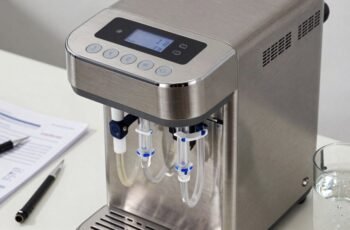
Like a well-tuned machine, a water ionizer relies on precise maintenance to deliver consistent performance. Establishing a structured schedule involves detailed inspections, timely cleaning, and component replacements, all of which directly impact water quality and device longevity. Neglecting these steps can lead to mineral buildup, corrosion, or decreased efficiency. Understanding the intricacies of proper upkeep is essential for peak operation—yet, many overlook critical maintenance practices that keep their systems running smoothly.
Key Takeaways
- Schedule descaling every 3-6 months based on water hardness to prevent mineral buildup.
- Perform regular inspection and cleaning of electrode plates and internal components.
- Replace filters and mineral cartridges every 6-12 months as per manufacturer guidelines.
- Document maintenance activities and monitor system performance regularly.
- Seek professional servicing if persistent water quality or pH issues arise.
What Is a Water Ionizer Maintenance Schedule and Why Is It Important?
A water ionizer maintenance schedule is a structured plan that outlines regular inspection, cleaning, and replacement of key components to guarantee peak performance and longevity. It specifies intervals for checking electrode plates, cleaning mineral buildup, and replacing filters or membranes to prevent corrosion and scaling. This schedule ensures the electrolysis process remains efficient by maintaining ideal water flow and electrical conductivity. Consistent adherence prevents component failure, reduces downtime, and preserves water quality. Precise documentation of maintenance activities allows for early detection of wear or malfunction, safeguarding the device’s lifespan. Implementing a detailed schedule is essential for consistent ionization results and cost-effective operation, minimizing the risk of costly repairs and ensuring the water produced meets safety and quality standards.
Daily Care Tips to Keep Your Water Ionizer in Top Shape
Maintaining a consistent daily care routine is key to guaranteeing your water ionizer operates at ideal levels and extends its lifespan. Daily, we should inspect the device for any visible mineral buildup or leaks, guaranteeing all connections are secure. It’s crucial to use filtered water to minimize mineral deposits that could impair electrode performance. We recommend running a short rinse cycle with clean water after each use to prevent residue accumulation. Regularly check the display panel for error messages or abnormal readings, which can indicate early issues. Maintaining proper water pressure and temperature within manufacturer specifications helps prevent stress on internal components. Finally, confirm the water inlet filter remains free of debris, replacing it as needed to sustain optimal water flow and protect the system’s internal parts.
How to Clean and Descale Your Water Ionizer Effectively
To guarantee your water ionizer continues to perform at its best, it’s essential to regularly clean and descale the system, targeting mineral buildup that can impair electrode function. Mineral deposits, primarily calcium and magnesium, accumulate on electrodes and internal surfaces, reducing ionization efficiency. Descaling involves circulating a vinegar or specialized descaling solution through the system, ensuring thorough contact with mineral deposits. Proper cleaning requires disassembling accessible parts, inspecting for corrosion, and rinsing thoroughly to prevent residual solution. Regular maintenance prevents scaling issues, prolongs device lifespan, and maintains optimal pH levels.
- Use a descaling solution recommended by the manufacturer
- Circulate the solution for at least 20 minutes
- Rinse all components thoroughly to remove residues
- Inspect electrodes for mineral deposits or corrosion
- Schedule descaling every 3-6 months based on water hardness
Replacing Filters and When to Do It
Regularly replacing filters is essential to maintaining the water ionizer’s performance and ensuring water quality. The filters, including pre-filters and mineral/carbon filters, accumulate particulates, chlorine, and other contaminants over time, which reduces flow rate and impacts ionization efficiency. Manufacturer guidelines specify the replacement interval, typically every 6 to 12 months, depending on usage and water quality. We monitor filter pressure gauges and conduct visual inspections for clogging or discoloration as indicators of saturation. Using incompatible or degraded filters can compromise filtration effectiveness, leading to potential health risks or equipment strain. Proper replacement involves shutting off the unit, removing the old filter, and installing the new one securely, ensuring seals are tight to prevent leaks. Regular maintenance preserves ideal pH balance and mineral content.
Troubleshooting Common Maintenance Issues
Identifying the ideal timing for filter replacement is essential to maintaining water quality and system efficiency, typically based on usage hours or water volume processed. Signs of discoloration in the water or mineral buildup on components indicate the need for immediate cleaning or part replacement. Addressing these issues promptly guarantees consistent performance and prevents downstream system damage.
Filter Replacement Timing
Since filter efficiency directly impacts water quality and system performance, timely replacement is essential for maintaining ideal operation. We recommend replacing filters based on usage frequency, water quality, and manufacturer specifications. Typically, pre-filters should be replaced every 6 to 12 months, while alkaline and mineral filters may require changing every 12 to 18 months. Failing to adhere to these timelines can lead to reduced filtration efficacy, increased mineral buildup, and potential system damage.
- Decreased flow rate indicates filter clogging
- Change filters if water taste or odor deteriorates
- Monitor filter lifespan through manufacturer guidelines
- Regularly inspect for visible sediment or discoloration
- Record replacement dates to maintain a consistent schedule
Cleaning Discoloration Signs
Discoloration in your water or at the outlet often signals buildup of mineral deposits, corrosion, or bacterial growth within the system. Such signs warrant immediate inspection of internal components. Mineral deposits, primarily calcium or magnesium, create opaque or cloudy water, often leaving sediment residues on the outlet. Corrosion appears as reddish or brownish discoloration, indicating metal degradation, especially in older units. Bacterial growth can cause biofilm formation, resulting in cloudy or foul-smelling water. To address these issues, we recommend thorough cleaning of the electrolyzer plates, replacing any corroded parts, and sanitizing the system with appropriate solutions. Regular visual inspection for discoloration and sediment buildup is vital. Prompt action prevents system damage, maintains water quality, and guarantees excellent ionizer performance.
Proper Storage and Handling During Long Periods of Inactivity
When storing a water ionizer during extended periods of inactivity, it’s vital to drain and thoroughly rinse the system to prevent mineral buildup and bacterial growth. Additionally, the unit should be stored in a dry, climate-controlled environment to avoid corrosion and damage. Proper handling ensures the device remains in peak condition, ready for reliable operation upon reactivation.
Drain and Rinse System
To guarantee the longevity and peak performance of your water ionizer, it’s essential to properly drain and rinse the system during extended periods of inactivity. This process prevents mineral buildup, bacterial growth, and membrane degradation. First, disconnect the power supply and close the water inlet valve. Next, activate the rinse cycle to flush residual water from internal components. Drain all remaining water from the system’s drainage port, ensuring no stagnant water remains. Conduct a thorough rinse with clean, filtered water to eliminate mineral deposits and contaminants. Finally, dry the interior surfaces with a soft cloth.
- Eliminates mineral deposits that cause scaling
- Prevents bacterial and mold growth
- Protects membrane integrity
- Reduces the risk of odor development
- Assures cleaner system restart upon reactivation
Store in Dry Environment
Proper storage of your water ionizer during extended periods of inactivity requires placing the unit in a dry, well-ventilated environment to prevent moisture accumulation that can lead to corrosion or mold growth. Confirm the storage area maintains low humidity levels, ideally below 50%, to inhibit microbial development and metal oxidation. Before storing, disconnect power, drain residual water, and thoroughly dry all internal components, including filters and tubing, to eliminate moisture reservoirs. Cover the unit with a breathable cloth to allow airflow while protecting it from dust. Avoid enclosed spaces with fluctuating temperatures or high humidity, such as basements or garages. Properly stored, the ionizer’s sensitive electronic and metallic parts remain protected, extending its lifespan and maintaining excellent performance upon reactivation.
Signs That Your Water Ionizer Needs Professional Servicing
Persistent fluctuations in water pH levels or a noticeable decline in water quality often indicate that your water ionizer requires professional servicing. These issues typically stem from electrode degradation, mineral buildup, or membrane fouling, which impair ion exchange efficiency. Signs include inconsistent pH readings despite proper operation, diminished alkalinity or acidity, and increased water turbidity. Additionally, you may notice a persistent foul odor or taste, indicating microbial contamination or filter issues. Reduced water flow rate can signal clogging within internal channels. Electrical components might also display irregularities, such as error codes or unresponsive controls. Recognizing these symptoms early ensures prompt intervention, preventing long-term damage and maintaining ideal ionizer performance. Regular professional maintenance is crucial for accurate diagnostics and thorough cleaning of internal components.
Tips for Maintaining Water Quality and Preventing Mineral Buildup
Maintaining ideal water quality and preventing mineral buildup requires consistent attention to the source water and regular system maintenance. We recommend installing a pre-filter or sediment filter to reduce particulate matter and mineral content before water enters the ionizer. Regularly inspect and clean the mineral filter or cartridge as specified by the manufacturer, typically every three to six months, to prevent clogging and guarantee peak flow. Use a descaling solution or vinegar periodically to dissolve calcium and lime deposits within the unit’s internal components, especially the electrolysis chamber. Additionally, monitor the water pH and mineral levels with appropriate testing kits to detect changes that could indicate buildup. Consistent adherence to these steps preserves system efficiency, prolongs lifespan, and maintains the purity and health benefits of the water.
Creating a Regular Maintenance Routine for Longevity and Performance
Establishing a structured maintenance routine is essential for guaranteeing the long-term performance and durability of your water ionizer. Consistent upkeep minimizes mineral buildup, prevents component corrosion, and maintains ideal electrolysis efficiency. To develop an effective routine, focus on these key activities:
- Regularly sanitize internal components using manufacturer-recommended cleaning agents to prevent bacterial growth and scale deposits.
- Schedule periodic filter replacements to sustain water quality and system responsiveness.
- Inspect electrode plates for signs of wear or mineral deposits, and clean with appropriate descaling solutions.
- Monitor water pH and ORP levels to detect performance deviations early.
- Document maintenance activities and system readings to identify trends and plan proactive interventions.
Adopting a disciplined approach ensures your water ionizer operates at peak performance, extending its lifespan and preserving water quality.
Frequently Asked Questions
How Often Should I Schedule Professional Maintenance for My Water Ionizer?
We suggest scheduling professional maintenance every 6 to 12 months, depending on usage and water quality. Regular inspections guarantee peak performance, prevent mineral buildup, and extend your water ionizer’s lifespan, maintaining the purity and effectiveness of your water treatment system.
Are There Specific Cleaning Products Recommended for Water Ionizer Upkeep?
We recommend using manufacturer-approved descaling solutions and gentle, non-abrasive brushes for cleaning your water ionizer. Avoid harsh chemicals, and follow detailed instructions to prevent damage, ensuring the best performance and longevity of your device.
Can I Use Tap Water to Rinse My Water Ionizer During Cleaning?
Yes, you can use tap water to rinse your water ionizer during cleaning, but we recommend using filtered or distilled water afterward to prevent mineral buildup and guarantee peak performance and longevity of your device.
What Are the Signs of a Malfunction Caused by Poor Maintenance?
Signs of malfunction from poor maintenance include persistent mineral buildup, reduced ionizer efficiency, abnormal noises, inconsistent pH levels, and strange tastes or odors. We monitor these indicators closely to guarantee peak performance and prevent costly repairs.
How Does Mineral Buildup Affect the Performance of My Water Ionizer?
Mineral buildup diminishes our water ionizer’s efficiency by clogging membranes and impeding ion exchange, which reduces alkaline water output, weakens electrolysis, and eventually causes system malfunctions. Regular cleaning prevents these performance pitfalls effectively.
Conclusion
In conclusion, sticking to a meticulous maintenance schedule guarantees our water ionizers perform at peak levels, preventing mineral buildup that could otherwise turn our devices into water-wasting relics. Regular inspections, timely descaling, and filter replacements are vital for maintaining ideal pH balance and device longevity. By diligently documenting each task, we safeguard against costly repairs. Think of it as giving your water ionizer a health check-up—it’s the key to flawless, high-quality water that surpasses all expectations.