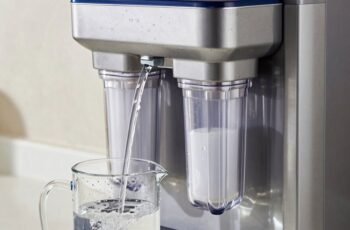
Maintaining a water ionizer is vital for ensuring peak performance and water quality over time. Proper cleaning routines prevent mineral buildup, protect internal components, and sustain accurate pH levels. We recognize the importance of a systematic approach, yet many users remain uncertain about the specific steps, tools, or signs indicating when a deeper clean is necessary. To effectively extend your device’s lifespan, it’s essential to follow a detailed, technical guide that covers all key aspects of maintenance.
Key Takeaways
- Clean the water ionizer every 3-4 months or sooner if mineral buildup or pH changes occur.
- Use a food-grade, pH-neutral descaling solution and rinse thoroughly with distilled water.
- Disconnect power and follow manufacturer instructions when disassembling for cleaning.
- Regularly inspect electrodes and flow channels for scale or deposits, cleaning as needed.
- Wear gloves, ensure proper ventilation, and avoid immersing electrical parts during cleaning.
How Often Should You Clean Your Water Ionizer?
Regular maintenance is vital to guarantee peak performance and longevity of your water ionizer. We recommend cleaning the unit at least once every three to four months, depending on usage and water quality. For areas with hard water, more frequent cleaning—every two to three months—is necessary to prevent mineral buildup and scale formation. If you notice reduced ionization efficiency or changes in water pH levels, immediate cleaning is warranted regardless of the schedule. Consistent cleaning maintains optimal electrolysis, preserves electrode integrity, and prevents bacterial growth. Monitor your water quality regularly, as high mineral content accelerates the need for more frequent maintenance. Adhering to these intervals helps sustain the device’s operational efficiency and extends its lifespan, guaranteeing consistent delivery of clean, ionized water.
Tools and Supplies Needed for Effective Cleaning
To guarantee a thorough and effective cleaning process, we need to gather specific tools and supplies compatible with water ionizer maintenance. Essential items include soft brushes, non-abrasive cleaning cloths, and specialized descaling solutions. Additionally, we require a set of replacement filters and clean, distilled water for rinsing. Proper tools ensure precision and prevent damage to internal components. The following table highlights critical supplies:
| Tool/Supply | Purpose | Material/Specification |
|---|---|---|
| Soft-bristled brush | Remove mineral deposits | Nylon or silicone |
| Non-abrasive cloth | Wipe surfaces without scratching | Microfiber |
| Descaling solution | Dissolve scale buildup | Food-grade, pH-neutral |
| Replacement filters | Maintain *ideal* filtration | Certified compatible |
| Distilled water | Rinse and flush system | 100% purity |
Step-by-Step Guide to Cleaning Your Water Ionizer
We begin by assembling the necessary cleaning supplies to guarantee a smooth process. Next, we power down the water ionizer safely to prevent electrical hazards. Finally, we follow a detailed, step-by-step procedure to thoroughly clean all components.
Gather Cleaning Supplies
Before beginning the cleaning process, it’s essential to gather all necessary supplies to guarantee an efficient and thorough job. Critical items include a non-abrasive cleaning solution, a soft cloth or sponge, and a small brush for internal components. Accurate preparation ensures proper disinfection and removal of mineral deposits.
| Supply | Purpose |
|---|---|
| Cleaning Solution | Dissolves mineral buildup and biofilm |
| Soft Cloth or Sponge | Wipes exterior surfaces |
| Small Brush | Cleans internal channels and fittings |
Having these tools ready minimizes interruptions, streamlines the process, and guarantees the system’s best performance. Proper supply selection is vital to prevent damage and ensure a hygienic, effective cleaning.
Turn Off Power Safely
Have you confirmed the water ionizer is disconnected from the power supply before beginning the cleaning process? This step is essential to guarantee safety and prevent electrical hazards. First, locate the power cord connected to the outlet. Gently unplug it, avoiding force that could damage the cord or socket. Verify that the unit is entirely powered down by checking for any residual electrical activity, such as indicator lights. If your model has a power switch, turn it off before unplugging. Do not attempt to clean or service the device while it remains plugged in. Confirming complete disconnection minimizes risk of electric shock and allows safe handling of internal components. Always handle the power cord by the plug, not the cord itself, to preserve its integrity during disconnection.
Follow Step-by-Step Process
To guarantee a thorough and safe cleaning process, follow a structured, step-by-step approach tailored specifically to your water ionizer model. Begin by disconnecting the power and draining residual water. Next, prepare a cleaning solution—either a manufacturer-recommended cleaner or a vinegar-water mixture. Follow these steps precisely:
| Step | Action | Duration/Notes |
|---|---|---|
| 1 | Fill the water chamber with cleaning solution | 10-15 minutes |
| 2 | Run the cleaning cycle with filters installed | 5-10 minutes |
| 3 | Rinse thoroughly with clean water | 3-5 cycles |
| 4 | Clean external surfaces and filters | Use soft cloth and brush |
| 5 | Reassemble and power on for testing | Verify proper function |
Adhere strictly to manufacturer instructions at each stage for best results.
How to Clean the Electrodes and Internal Components
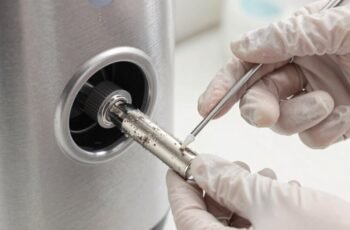
How do we effectively clean the electrodes and internal components of a water ionizer to maintain peak performance? First, disconnect the unit and remove the electrodes according to manufacturer instructions. Use a non-abrasive brush to gently scrub mineral deposits, focusing on areas with visible buildup. Prepare a cleaning solution with diluted citric acid or specialized electrode cleaner, ensuring correct concentration. Submerge the electrodes and internal parts briefly, then rinse thoroughly with distilled water to prevent residue. Key steps include:
- Removing mineral deposits with soft-bristled brush
- Soaking in carefully prepared cleaning solution
- Ensuring complete rinsing with distilled water
- Inspecting for corrosion or damage
- Drying components thoroughly before reassembly
This precise process helps prevent scaling, preserves electrochemical efficiency, and prolongs electrode lifespan.
Tips to Prevent Buildup and Maintain Water Quality
Maintaining ideal water quality requires adherence to a consistent cleaning schedule to prevent mineral buildup. Using properly filtered water reduces the risk of deposits and enhances the ionizer’s performance. Regularly monitoring and adjusting water sources ensures sustained efficiency and longevity of the unit.
Regular Cleaning Schedule
Regular cleaning is essential to prevent mineral buildup and assure perfect water quality in your ionizer. Establishing a consistent schedule guarantees peak performance and extends device lifespan. We recommend cleaning the unit at least once a month, or more frequently with hard water. This process involves flushing the system with a cleaning solution, followed by thorough rinsing. Visualize the internal components:
- Mineral deposits forming on electrode plates
- Residue accumulating in flow channels
- Scale developing on the membrane surface
- Clogged filters reducing flow rate
- Buildup clouding the water clarity
Use Proper Water Sources
Using the appropriate water sources is essential to preventing mineral buildup and ensuring ideal water quality in your ionizer. We recommend using filtered, dechlorinated water with low mineral content, as high mineral levels accelerate scale formation and impair performance. Avoid using tap water directly, especially if it contains high levels of calcium or magnesium; instead, employ a pre-filtration system to reduce mineral concentration before entering the ionizer. Consistently monitoring water quality and adjusting filtration accordingly helps maintain efficiency and prolongs device lifespan. Additionally, using water with stable pH levels minimizes corrosive effects and mineral deposits. By selecting proper water sources, we prevent excessive scaling, reduce cleaning frequency, and safeguard the ionizer’s functionality and longevity.
Recognizing Signs That Your Water Ionizer Needs Deep Cleaning
Over time, mineral buildup and sediment accumulation can impair the performance of your water ionizer, making it crucial to recognize when deep cleaning is necessary. Signs include decreased filtration efficiency, irregular pH levels, and reduced alkaline output. You may notice an increase in taste or odor, indicating biofilm formation or mineral deposits. A visible layer of scale on electrodes or internal components is a clear indicator for cleaning. Additionally, if water flow rate slows considerably or the unit emits unusual noises during operation, these are signs that mineral deposits are hindering performance. Regular inspection for these indicators ensures peak function and longevity. Prompt deep cleaning upon noticing these signs will restore efficiency and prevent costly repairs.
Troubleshooting Common Cleaning Challenges
When cleaning a water ionizer, encountering unexpected difficulties is common, but identifying and resolving these challenges quickly is essential to maintaining peak performance. Common issues include persistent mineral buildup and reduced water flow. To troubleshoot, first verify the cleaning solution’s concentration and contact time; insufficient exposure can hinder effectiveness. Next, inspect for clogged channels or mineral deposits obstructing flow. If blockage persists, use a soft brush or compressed air to dislodge deposits carefully.
| Issue | Solution |
|---|---|
| Mineral buildup | Increase cleaning solution strength or duration |
| Water flow reduction | Clear blockages with gentle agitation or flushing |
| Persistent odors | Use specialized descaling agents and re-clean |
How to Maintain Your Water Ionizer for Long-Term Performance
To guarantee your water ionizer maintains peak performance over time, regular maintenance is essential. Consistent care ensures optimal ionization efficiency and prolongs device lifespan. To achieve this, routinely inspect and clean key components:
Regular maintenance keeps your water ionizer functioning at its best and extends its lifespan.
- Electrode plates: Remove mineral deposits to sustain electrical conductivity.
- Filter system: Replace filters according to manufacturer specifications to prevent clogging.
- Flow pathways: Flush and disinfect to avoid biofilm buildup.
- Water inlet and outlet ports: Clear blockages to maintain steady flow.
- Internal chambers: Descale periodically to prevent mineral accumulation.
Performing these actions with precision prevents performance degradation, reduces repair frequency, and maintains water quality. Adhering to a scheduled maintenance plan ensures your water ionizer functions efficiently, delivering consistent, high-quality alkaline and acidic water over the long term.
Safety Precautions and Best Practices During Cleaning
Regular maintenance of your water ionizer involves handling electrical components and water systems that can pose safety risks if not managed properly. Before cleaning, disconnect the unit from the power source to prevent electrical shock. Wear protective gloves when handling cleaning agents to avoid skin irritation and chemical exposure. Make certain proper ventilation to disperse any fumes from cleaning solutions. Use only manufacturer-recommended cleaning products to prevent damage to internal components. Avoid immersing electrical parts in water or applying excessive force during cleaning. Follow the manufacturer’s instructions precisely, especially regarding disassembly and reassembly. Always inspect the power cord and plug for damage before reconnecting. These precautions ensure safe, effective cleaning while maintaining the integrity of your water ionizer.
Frequently Asked Questions
Can I Use Vinegar or Harsh Chemicals to Clean My Water Ionizer?
You shouldn’t use vinegar or harsh chemicals on your water ionizer, as they can damage internal components and affect water quality. Instead, follow manufacturer recommendations for safe cleaning agents and procedures to guarantee ideal performance and longevity.
How Often Should I Replace the Filters in My Water Ionizer?
We suggest replacing your water ionizer filters every six to twelve months, depending on water quality and usage. Regular replacements guarantee peak performance and water purity, preventing buildup and maintaining the device’s efficiency and longevity.
Is It Safe to Run Cleaning Solutions Through the Entire System?
Yes, it’s safe to run cleaning solutions through the entire system if you follow manufacturer instructions carefully, dilute solutions properly, and thoroughly rinse afterward to prevent chemical residues, ensuring ideal performance and safety of your water ionizer.
Can Cleaning Affect the pH Levels of the Water Produced?
Cleaning can temporarily alter pH levels, as seen in a case where mineral deposits were removed, causing a shift. Proper rinsing restores equilibrium, but aggressive cleaning may impact the ionizer’s ability to maintain consistent, precise pH during operation.
What Are the Environmental Impacts of Cleaning Chemicals Used?
Cleaning chemicals can negatively impact the environment by contaminating water sources, harming aquatic ecosystems, and contributing to pollution. We recommend using eco-friendly solutions to minimize ecological footprints and guarantee sustainable, safe water ionizer maintenance practices.
Conclusion
Regular cleaning guarantees peak performance, prolongs lifespan, and maintains water quality. By following proper procedures, using the right tools, and adhering to safety precautions, we prevent buildup, detect issues early, and sustain efficiency. Consistent maintenance fosters reliability, preserves electrode function, and guarantees healthy, high-quality water. In short, diligent cleaning, attentive inspection, and proactive care are essential for the long-term success of your water ionizer. Prioritize these practices to enjoy clean, efficient, and safe water daily.