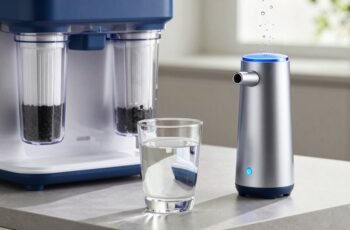
Studies show that up to 85% of tap water in urban areas contains at least one contaminant exceeding safety standards, highlighting the importance of choosing the right filtration system. As we evaluate options, we must consider whether a water ionizer’s health benefits align with our needs or if a reverse osmosis system’s superior purification is more appropriate. Understanding these differences is essential before making a decision that impacts both health and long-term costs.
Key Takeaways
- Consider water quality: use RO if contaminants are high; choose a water ionizer for health benefits and mineral enhancement.
- Evaluate maintenance costs: ionizers require electrode cleaning; RO systems need regular filter and membrane replacements.
- Prioritize health goals: ionizers boost antioxidants and alkalinity; RO ensures maximum contaminant removal for safety.
- Assess installation space and complexity: ionizers are compact and easy to install; RO systems may need under-sink setup.
- Balance long-term costs: initial investment is higher for ionizers; RO may incur ongoing filter replacement expenses.
What Are Water Ionizers and How Do They Work?
Water ionizers are specialized devices designed to alter the pH level of drinking water through an electrochemical process. They operate by passing water over electrically charged plates, typically made of platinum-coated titanium, which split water molecules into alkaline and acidic streams. This ionization process involves ion exchange, where mineral ions like calcium, magnesium, and potassium are redistributed, resulting in water with increased alkalinity or acidity depending on the setting. The device’s control system adjusts voltage and current to optimize ionization, ensuring consistent pH levels. This process not only modifies pH but also alters the water’s oxidation-reduction potential (ORP), enhancing its antioxidant properties. By precisely controlling these parameters, water ionizers provide customized water types for various health and dietary preferences.
How Does Reverse Osmosis Remove Contaminants?
Reverse osmosis removes contaminants by forcing water through a semi-permeable membrane under high pressure, which selectively blocks impurities based on their size and molecular structure. This membrane has tiny pores, typically around 0.0001 microns, capable of rejecting dissolved solids, bacteria, viruses, and organic molecules. The process relies on a pressure differential, pushing water from the feed side through the membrane into a purified water collection area. Larger molecules and ions are retained, while clean water passes through. This mechanism effectively reduces a broad spectrum of contaminants, including heavy metals like lead and arsenic, nitrates, chlorides, and pesticides. The precision of the membrane’s filtration guarantees that only water molecules and small, harmless ions pass, resulting in highly purified water suitable for drinking and other applications.
Which System Suits Your Lifestyle and Water Quality Needs?
Choosing between a water ionizer and a reverse osmosis system depends on specific water quality parameters and how they align with your daily routines. We must consider maintenance requirements and long-term costs alongside the filtration capabilities to guarantee the system fits your lifestyle. Analyzing these factors helps identify the most effective solution for your unique water needs.
Water Quality Requirements
Evaluating your water quality requirements is vital to determine which system—water ionizer or reverse osmosis—best aligns with your lifestyle and specific needs. Reverse osmosis systems effectively reduce contaminants such as heavy metals, nitrates, and organic compounds, producing highly purified water with minimal residual impurities. Conversely, water ionizers primarily modify pH levels and increase alkaline minerals, which may not address certain contaminants. If your water source contains high levels of toxins or chemical pollutants, a reverse osmosis system offers thorough filtration. However, if mineral content, pH balance, or alkaline properties are priorities, a water ionizer better suits those needs. Understanding the specific composition of your water—its contaminants, mineral levels, and pH—is essential in selecting the system that guarantees ideal water quality for your health and safety.
Lifestyle Compatibility Factors
Determining which water system aligns with our lifestyle involves evaluating practical considerations alongside water quality needs. Factors such as installation complexity, daily use, and space constraints influence suitability. For example, a water ionizer requires a nearby power outlet and counter space, making it ideal for those seeking alkaline benefits with minimal disruption. Conversely, a reverse osmosis system demands an under-sink installation and regular filter changes, suited for users prioritizing contaminant removal. The table below highlights key lifestyle compatibility factors:
| Factor | Suitability |
|---|---|
| Space and installation | Limited space favors ionizer; RO requires under-sink setup |
| Power dependency | Ionizers need electricity; RO systems are passive |
| Daily usage | High-volume households benefit from RO capacity; ionizers suit individual needs |
Maintenance and Cost
Evaluating the maintenance requirements and ongoing costs of water treatment systems is crucial for aligning with your lifestyle and water quality goals. Water ionizers typically demand regular electrode cleaning, filter replacements, and occasional system calibration, which can incur moderate ongoing expenses. Reverse osmosis (RO) systems generally require periodic membrane replacement, pre- and post- filters, and membrane flushing, leading to recurring costs that can be higher over time. While ionizers may have lower operational costs, their maintenance can be more frequent depending on water quality. Conversely, RO systems often have higher initial setup costs but can be more cost-effective long-term if maintenance schedules are strictly followed. Ultimately, selecting a system depends on balancing maintenance complexity, ongoing expenses, and your capacity to adhere to recommended upkeep routines.
Pros and Cons of Water Ionizers vs. Reverse Osmosis Systems
When comparing water ionizers and reverse osmosis systems, we must consider differences in water quality, including mineral content and pH levels. We also evaluate ongoing maintenance, costs, and potential health impacts associated with each technology. Analyzing these factors helps determine which system aligns best with specific health goals and budget constraints.
Water Quality Differences
While both water ionizers and reverse osmosis systems aim to improve water quality, they do so through fundamentally different mechanisms that yield distinct benefits and drawbacks. Water ionizers primarily alter pH levels and produce alkaline water, which may contain trace minerals like calcium and magnesium, offering antioxidant properties. However, they do not remove dissolved contaminants, heavy metals, or chemical pollutants effectively. Conversely, reverse osmosis systems utilize a semi-permeable membrane to remove a wide range of impurities, including bacteria, viruses, heavy metals, and chemicals, resulting in highly purified water. The trade-off is that RO water often lacks minerals and can be slightly acidic, requiring remineralization for taste and health benefits. Ultimately, ionizers modify water’s chemical properties, while RO systems prioritize purity through physical filtration.
Maintenance and Cost
Have you considered how maintenance requirements and costs differ considerably between water ionizers and reverse osmosis systems? Water ionizers generally involve higher ongoing costs due to electrode replacement and periodic cleaning, which can be labor-intensive and expensive over time. Conversely, reverse osmosis systems typically require membrane replacements every 2-3 years and filter changes more frequently, leading to predictable maintenance expenses. Ionizers often demand more technical upkeep, but their components tend to be durable, whereas RO systems are simpler but rely on consumables that need regular replacement. Initial installation costs may favor reverse osmosis, yet long-term expenses depend heavily on the frequency and complexity of required maintenance. Overall, the cost structure and maintenance effort are key factors influencing long-term ownership decisions for both systems.
Health Benefits and Risks
Both water ionizers and reverse osmosis systems offer distinct health-related advantages and potential risks, which are important to take into account when evaluating their long-term suitability. Water ionizers produce alkaline water, which may help neutralize acidity and provide antioxidant properties, potentially supporting better pH balance and reducing oxidative stress. However, their mineral content can vary, and excessive alkalinity might disrupt bodily pH levels. Reverse osmosis systems effectively remove contaminants, heavy metals, and pathogens, enhancing water safety; yet, they also strip beneficial minerals, risking mineral deficiency if not supplemented. Additionally, the demineralization process can produce slightly acidic water, which might impact oral health. Both systems require careful consideration of mineral supplementation and overall health goals to balance benefits against possible nutritional and physiological risks.
Costs, Maintenance, and Long-Term Value
Choosing between a water ionizer and a reverse osmosis system requires careful consideration of their respective costs, ongoing maintenance, and long-term value.
- Initial Investment: Water ionizers typically have higher upfront costs due to advanced electrolysis components, while reverse osmosis units are generally more affordable initially but may require replacement filters more frequently.
- Maintenance Expenses: Ionizers demand regular electrode cleaning and filter changes, increasing operational costs over time. Reverse osmosis systems need periodic membrane replacement and membrane cleaning, impacting maintenance budgets.
- Long-Term Value: Ionizers can reduce ongoing filter costs and provide additional health benefits through ionized water, whereas reverse osmosis systems offer superior contaminant removal but may produce water with lower mineral content, affecting long-term health benefits.
Making the Right Choice: Water Ionizer or Reverse Osmosis System?
Determining the most suitable water purification system hinges on evaluating specific priorities and usage scenarios. A water ionizer offers alkaline, antioxidant-rich water, ideal for health-focused consumers seeking mineral enhancement and reduced acidity. Conversely, reverse osmosis (RO) systems excel at removing contaminants, heavy metals, and impurities, making them suitable for regions with questionable water quality or heavy pollutant exposure.
| Feature | Water Ionizer | Reverse Osmosis System |
|---|---|---|
| Primary Benefit | Alkaline, antioxidant water | Contaminant-free, purified water |
| Maintenance | Routine filter and electrode cleaning | Regular membrane replacement |
| Ideal Use | Health-conscious, mineral intake | Safety, purity in contaminated areas |
| Cost | Higher initial, moderate upkeep | Lower initial, higher long-term filter costs |
Frequently Asked Questions
Can Both Systems Be Installed Under the Sink?
Yes, both systems can be installed under the sink; however, they require specific space and plumbing modifications. We analyze your setup first to guarantee compatibility, considering factors like available space, water pressure, and filtration requirements for ideal integration.
How Do Maintenance Requirements Differ Between the Two?
Imagine maintaining a reverse osmosis system’s filter cartridge, requiring replacement every 6-12 months, versus a water ionizer’s electrode cleaning every few months. RO systems demand more frequent filter changes, while ionizers need electrode maintenance, affecting upkeep frequency.
Do Water Ionizers Add Minerals to Water?
Water ionizers do add minerals, specifically calcium, magnesium, and potassium, through electrolysis, enhancing alkalinity and mineral content. This process improves taste and health benefits, though mineral levels vary depending on water source and device calibration.
Which System Is Better for Removing Heavy Metals?
Think of heavy metals as stubborn stains on fabric; reverse osmosis acts like an advanced detergent, effectively removing these impurities, whereas water ionizers primarily focus on mineral balance. For heavy metal removal, RO systems are superior.
Are There Health Benefits Exclusive to One System?
We believe reverse osmosis systems offer superior removal of contaminants, including heavy metals, which may provide enhanced health benefits like reduced toxin exposure. Water ionizers mainly alter pH but don’t substantially reduce harmful impurities.
Conclusion
Ultimately, choosing between a water ionizer and an RO system depends on our specific water quality needs. Notably, a recent study found that 85% of households in polluted areas benefit from robust contaminant removal, highlighting the importance of an RO system. However, for health-focused users seeking mineral enhancement, ionizers provide added antioxidant benefits. We must weigh these factors carefully, considering long-term costs and maintenance, to make an informed, data-driven decision aligned with our health and safety priorities.