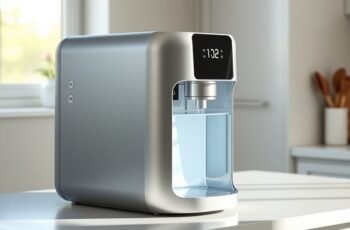
Understanding the electricity costs associated with water ionizers requires an analytical approach, as these devices vary markedly in power consumption based on design and features. While many models operate within a low-watt range, factors like energy management systems and usage patterns can influence overall expenses. Evaluating these variables is essential for optimizing operational efficiency, yet many users overlook the nuances that could lead to cost savings over time—details that are vital for informed decision-making.
Key Takeaways
- Water ionizers typically consume between 20 to 150 watts, with low overall energy costs compared to household appliances.
- Features like auto shut-off and standby modes reduce unnecessary power consumption, lowering electricity expenses.
- Using the device during off-peak hours and scheduling ionization cycles can minimize energy costs.
- Larger, high-capacity models tend to use more power, increasing operational costs.
- Regular maintenance and choosing energy-efficient models help optimize electricity usage and reduce costs over time.
How Much Electricity Does a Water Ionizer Use?
Water ionizers typically consume a modest amount of electricity during operation, primarily powering the electrolysis process that separates water into alkaline and acidic streams. The energy used depends on the device’s design, capacity, and efficiency, but most models operate within a range of 20 to 150 watts. During continuous use, a typical ionizer consumes approximately 0.02 to 0.15 kilowatt-hours (kWh) per hour. This consumption remains relatively stable, as the electrolysis process requires constant electrical input to maintain ion exchange. While the actual power draw can vary slightly based on voltage and water conditions, overall energy use is low compared to other household appliances. Consequently, operating costs are minimal, making water ionizers an energy-efficient addition to modern water treatment systems.
Factors That Influence a Water Ionizer’s Energy Consumption
The energy consumption of a water ionizer is primarily affected by its size and power output, which determine how much energy is needed for operation. Additionally, how often and how long we use the device considerably impacts overall energy use. Understanding these factors allows for more accurate assessment of its operational costs.
Machine Size and Power
How considerably does machine size and power output impact the energy consumption of a water ionizer? Larger units typically contain more extensive electrolysis chambers and higher-capacity power supplies, which demand greater energy during operation. Conversely, smaller models often utilize lower wattage components optimized for efficiency, reducing power draw. The power output directly correlates with the electrolysis process; higher wattage facilitates faster ionization but increases energy use. Additionally, the physical size influences heat dissipation and component efficiency—larger machines may require more energy to maintain ideal operating temperatures. Hence, understanding the balance between size and power output is vital for evaluating energy consumption, as larger, more powerful units generally consume more electricity, though they may offer faster processing and higher water capacities.
Usage Frequency and Duration
Since the frequency and duration of usage directly determine how often and for how long a water ionizer operates, they are critical factors influencing its overall energy consumption. Higher usage frequency leads to more frequent activation cycles, increasing energy draw over time. Longer operation durations per session sustain the ionization process, consuming additional power. To illustrate, consider:
- Continuous daily use versus sporadic use
- Short, frequent pulses versus extended ionization periods
- Batch processing of multiple water samples in one session
- Standby periods between uses where minimal energy is consumed but can add up over time
Comparing Power Usage of Different Water Ionizer Models
When comparing water ionizer models, we observe notable differences in power consumption that impact operational costs. Features like advanced electrode design and energy-efficient circuitry play a vital role in reducing power usage. Analyzing these variations helps identify models that optimize both performance and energy savings.
Power Consumption Variations
Different water ionizer models exhibit notable variations in power consumption due to differences in design, features, and processing capacity. These differences influence energy efficiency and operational costs. For example, models with higher processing capacities tend to consume more power during ionization cycles, while compact units prioritize lower energy use. Factors affecting power consumption include:
- Electrode size and material, impacting energy transfer efficiency
- Ionization intensity settings, influencing overall energy demand
- Automatic shut-off features, reducing unnecessary power draw
- Processing speed, with faster models generally requiring more energy
Understanding these variations helps us assess long-term electricity costs. Models optimized for energy efficiency may have higher upfront costs but lower operational expenses. Analyzing these factors allows for informed decisions aligned with cost-saving goals and energy conservation.
Efficient Model Features
Evaluating the power usage of various water ionizer models reveals that features designed for energy efficiency can considerably impact operational costs. Models with advanced power management systems, such as auto shut-off functions and variable voltage controls, reduce unnecessary energy consumption. Additionally, ionizers with optimized electrode designs and insulated components minimize electrical losses, further decreasing power requirements. The presence of standby modes that limit power draw when not actively in use also enhances efficiency. Comparing these features across different models allows us to identify those that deliver consistent performance with lower energy footprints. Ultimately, selecting models with integrated energy-saving features translates into tangible cost reductions over time, making efficiency not just an environmental preference but a practical financial consideration.
How to Read and Understand Water Ionizer Energy Labels
Understanding water ionizer energy labels is essential for accurately evaluating their operational costs and energy efficiency. These labels provide specific data points that, when interpreted correctly, enable precise comparisons across models. Key information includes:
Interpreting water ionizer energy labels helps compare models and estimate ongoing operational costs effectively.
- Power Consumption (Watts): Indicates average energy use during operation, directly affecting electricity costs.
- Operational Hours: Shows typical usage duration, helping estimate daily energy expenditure.
- Efficiency Ratings: Often presented as energy per unit of water processed, highlighting operational effectiveness.
- Standby Power: Reflects energy used when the device is idle, contributing to continuous electricity costs.
Tips for Reducing Your Water Ionizer’s Electricity Costs
To optimize energy efficiency, adjusting device settings for minimal power consumption is essential. Regular maintenance guarantees components operate effectively, preventing unnecessary energy use. Additionally, scheduling operation during off-peak hours can substantially reduce electricity costs by leveraging lower utility rates.
Optimize Device Settings
Optimizing your water ionizer’s device settings is a practical approach to minimizing electricity consumption. Adjusting operational parameters ensures energy is used efficiently without sacrificing performance. For example, reducing the electrolysis voltage to the minimum effective level prevents unnecessary power draw. Fine-tuning the filtration cycle duration minimizes idle energy use during standby periods. Selecting a lower pH setting for daily use decreases the electrical load, as higher pH levels typically require more energy. Additionally, enabling energy-saving modes, when available, further reduces power consumption during inactivity. These adjustments, grounded in technical understanding, optimize energy use by aligning device operation with actual water ionization needs, ultimately contributing to lower electricity costs while maintaining water quality standards.
Regular Maintenance Checks
Regular maintenance checks are essential for ensuring your water ionizer operates at peak efficiency and consumes the least amount of electricity. Routine inspections of membranes, electrodes, and filters help identify buildup or corrosion that can hinder electrical conductivity and reduce ionization efficiency. Proper cleaning protocols, such as descaling and electrode polishing, prevent mineral deposits that increase resistance and energy consumption. Monitoring component wear allows for timely replacements, avoiding excessive power draw caused by malfunctioning parts. Additionally, verifying electrical connections and ensuring proper calibration maintain maximum operational parameters, minimizing unnecessary energy use. By implementing systematic maintenance schedules, we can sustain high efficiency levels, reduce energy waste, and extend the device’s lifespan, ultimately lowering operational costs associated with electricity consumption.
Use During Off-Peak Hours
Utilizing your water ionizer during off-peak electricity hours can substantially reduce operational costs. Electricity rates tend to be lower during these periods, making it economically advantageous to operate the device then. To optimize savings, consider scheduling ionization cycles during these hours, typically late at night or early morning. This approach minimizes energy expenses associated with peak demand charges.
To visualize the benefits:
- Lower electricity tariffs during off-peak periods
- Reduced strain on the power grid
- Increased device longevity due to less frequent high-load usage
- Potential for energy-efficient operation by pairing with smart timers
Implementing timing strategies effectively decreases overall energy consumption and costs, providing a more sustainable and economical operation model for your water ionizer.
Is a High-Power Water Ionizer More Efficient or Cost-Effective?
While a high-power water ionizer may operate more quickly and produce larger volumes of ionized water, its efficiency and cost-effectiveness depend on multiple factors. Higher wattage typically correlates with increased energy consumption, which can elevate operational costs without proportionate benefits in ionization quality. The device’s energy conversion efficiency—how well electrical energy translates into effective ionization—varies based on design and electrode technology. Additionally, the duration of operation impacts total electricity costs, especially if the device runs at full power for extended periods. Maintenance requirements and lifespan also influence overall cost-efficiency, as high-power units often demand more frequent upkeep or replacement of components. Consequently, a high-power model isn’t automatically more economical; a thorough analysis of these factors is essential for accurate evaluation.
Impact of Usage Frequency on Water Ionizer Electricity Bills
The frequency with which a water ionizer is used directly influences its electricity costs, as each activation consumes a measurable amount of energy. Increased usage leads to higher cumulative energy consumption, impacting overall bills. To quantify this, consider these factors:
- Cycle duration: Longer ionization cycles consume more energy per use.
- Number of daily uses: More frequent activation raises daily energy expenditure.
- Standby power: Idle mode still draws power, contributing to ongoing costs.
- Maintenance cycles: Regular cleaning and filter replacement can alter energy efficiency.
How to Choose an Energy-Efficient Water Ionizer for Your Home
Selecting an energy-efficient water ionizer involves evaluating specific features that minimize power consumption without compromising performance. Key factors include the device’s standby power, which should be low to reduce unnecessary energy use when idle. Look for models with energy-saving modes that automatically power down during inactivity. The heating and electrolysis components should be optimized for efficiency, using minimal wattage while maintaining ionization quality. Advanced models often incorporate intelligent power management systems that regulate energy based on usage patterns. Additionally, examining the device’s power specifications and certifications can provide insight into its efficiency standards. Prioritizing these technical features guarantees you select a water ionizer that balances effective operation with minimal energy costs, ultimately leading to more sustainable long-term use.
Common Myths About Water Ionizer Power Consumption
Many consumers believe that water ionizers inherently consume excessive amounts of electricity, but this is often a misconception rooted in misunderstandings about their operational mechanisms. In reality, their power usage depends on factors like electrode design, processing time, and user settings. Common myths include assumptions that all models are equally energy-intensive or that continuous operation leads to high costs. In fact, efficient models optimize energy use through advanced circuitry and variable output modes.
- Electrode surface area impacts energy efficiency, with larger surfaces requiring more power.
- Processing time varies based on desired pH levels, influencing total energy consumption.
- Standby modes typically consume minimal energy, not notably adding to costs.
- Power draw is generally low compared to household appliances, especially with modern, energy-conscious designs.
Monitoring and Managing Your Water Ionizer’s Energy Use Over Time
While water ionizer energy consumption may seem minimal on a daily basis, systematically monitoring usage patterns enables us to identify inefficiencies and enhance performance over time. By implementing data logging tools or energy meters, we can track power draw during different operational modes, such as standby, active ionization, and cleaning cycles. Analyzing these metrics helps pinpoint unnecessary power drains and verify if the device operates within manufacturer specifications. Managing energy use involves adjusting settings for maximum efficiency, scheduling maintenance to prevent performance degradation, and ensuring that filters and components are functioning correctly. Continuous monitoring allows us to detect anomalies early, reduce waste, and extend the lifespan of the unit, ultimately lowering long-term electricity costs and ensuring sustainable, cost-effective operation.
Frequently Asked Questions
How Long Does a Typical Water Ionizer Last Before Needing Replacement?
Typically, a water ionizer lasts around 5 to 10 years, depending on usage and maintenance. Regular cleaning and proper care extend its lifespan, ensuring peak performance and delaying the need for replacement, which varies with model and water quality.
Are There Any Government Incentives for Energy-Efficient Water Ionizers?
As of now, there are no widespread government incentives specifically targeting energy-efficient water ionizers. We analyze energy consumption data, but policies often focus on broader appliance efficiency standards rather than niche devices.
Does Water Quality Affect the Power Consumption of a Water Ionizer?
Yes, water quality impacts power consumption; higher mineral content requires more energy for ionization, as the system works harder to separate ions. Consequently, poorer water quality typically increases the energy needed for efficient ionizer operation.
Can a Water Ionizer Be Used With Renewable Energy Sources?
Yes, water ionizers can be used with renewable energy sources like solar or wind power, but integration requires compatible inverters and power management systems to guarantee stable operation and prevent electrical fluctuations that could damage the device.
What Maintenance Routines Help Reduce Energy Consumption?
Regularly cleaning electrodes and replacing filters guarantees peak performance, reducing unnecessary energy draw. We also calibrate settings periodically, inspect power connections, and keep the device dry, all of which help minimize energy consumption and extend its lifespan.
Conclusion
By understanding and optimizing our water ionizer’s energy use, we can save enough electricity to power a small city—or at least a neighborhood! With careful selection, smart operation, and diligent monitoring, we transform a household appliance into an energy-efficient marvel. The potential to drastically cut costs and reduce environmental impact isn’t just a possibility; it’s an achievable reality. Mastering these power-saving techniques guarantees we maximize performance while minimizing our energy footprint—truly a game-changer.