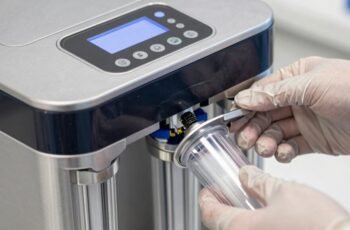
Understanding the true cost of water filter replacements involves more than just initial expenses; it requires analyzing long-term maintenance and system performance. As we consider different filter types, capacities, and water qualities, the financial implications become complex. By examining these variables closely, we can determine which systems provide the best value over time—yet, many overlook hidden costs that could influence their investment decisions. This nuanced perspective invites a closer look at what truly impacts water filtration affordability.
Key Takeaways
- Replacement costs vary from $20 to $150+ depending on filter type and system capacity.
- Basic pitcher filters cost around $20–$30 per replacement, while whole-house systems can exceed $150.
- Higher-quality filters often have higher upfront costs but lower long-term replacement expenses.
- Frequency of replacement depends on water quality, usage, and filter lifespan, affecting ongoing costs.
- Monitoring and choosing longer-lasting or bulk-purchased filters can optimize cost-efficiency.
How Much Do Water Filter Replacements Typically Cost?
Understanding the typical costs of water filter replacements is essential for budgeting and maintaining water quality. On average, replacement filters range from $20 to $60, depending on type and capacity. Basic pitcher filters usually cost between $20 and $30 per replacement, while faucet-mounted filters average $25 to $50. Under-sink or whole-house systems tend to be more expensive, with replacements costing $50 to $150 or more, reflecting higher capacity and filtration complexity. Some filters require cartridge replacements more frequently, influencing ongoing costs. It’s important to think about not only initial purchase prices but also replacement intervals, which vary based on usage and water quality. Accurate cost estimation ensures consistent water treatment and helps prevent unexpected expenses, maintaining ideal filtration performance over time.
Factors That Influence Water Filter Replacement Prices
Filter type variability considerably affects replacement costs, as advanced or specialty filters tend to be more expensive. Usage frequency also impacts pricing, since higher consumption accelerates filter wear and increases replacement frequency. Understanding these factors helps optimize maintenance budgets and filter selection choices.
Filter Type Variability
The cost of replacing a water filter varies considerably depending on the type of filtration system involved. Different filter types utilize distinct technologies, materials, and complexities, directly impacting their replacement costs. Activated carbon filters, for instance, tend to be more affordable due to simpler manufacturing processes, whereas reverse osmosis membranes involve advanced filtration technology and higher material costs, increasing their price. Additionally, specialty filters, such as UV sterilizers or mineral infusers, incorporate specialized components that raise expenses. The filter’s size and capacity also influence pricing, with larger or high-capacity units generally costing more. These variations reflect differences in filter lifespan, maintenance requirements, and manufacturing complexity, all of which must be considered when evaluating replacement costs for specific filtration systems.
Usage Frequency Impact
Frequent usage considerably accelerates the need for filter replacements, directly impacting overall costs. Higher water flow rates increase the volume of water passing through the filter, leading to faster saturation and clogging. This results in more frequent replacements, elevating maintenance expenses. Additionally, the contaminant load in the water influences replacement frequency; heavily contaminated sources require more frequent filter changes to maintain efficiency. Ultimately, usage patterns—such as continuous versus intermittent use—affect lifespan. Specifically:
- Continuous use doubles the replacement frequency compared to intermittent use.
- Higher flow rates demand more frequent filter changes.
- Increased contaminant levels shorten filter lifespan.
Understanding these factors enables more accurate cost projections and optimized maintenance schedules.
Comparing Costs of Different Types of Water Filters
When evaluating the costs associated with various water filtration systems, it’s essential to take into account both initial purchase prices and ongoing replacement expenses. Different filter types present distinct cost structures. For example, activated carbon filters generally have low upfront costs but higher replacement frequencies, increasing long-term expenses. Reverse osmosis systems typically involve higher initial investments but offer longer-lasting filters, reducing replacement costs over time. Ultraviolet (UV) filters tend to have moderate upfront costs and minimal ongoing expenses, mainly for bulb replacements. The table below summarizes typical costs:
| Filter Type | Approximate Initial Cost | Replacement Cost per Year |
|---|---|---|
| Activated Carbon | $20 – $50 | $40 – $100 |
| Reverse Osmosis | $200 – $500 | $50 – $150 |
| UV Filter | $100 – $300 | $50 – $80 |
How to Budget for Water Filter Maintenance Over Time
Planning for water filter maintenance requires a systematic approach to guarantee costs remain manageable over time. To effectively budget, we recommend tracking key variables:
Effective water filter maintenance involves tracking lifespan, costs, and setting aside contingency funds for smooth budgeting.
- Filter lifespan—monitor manufacturer specifications and usage patterns to predict replacement intervals accurately.
- Cost analysis—calculate annual expenses by multiplying replacement costs by estimated frequency.
- Contingency funds—allocate a buffer (e.g., 10-15% of total projected costs) to accommodate unforeseen issues or price fluctuations.
Tips to Save Money on Water Filter Replacements
Are there effective strategies to reduce the costs associated with water filter replacements? Yes, optimizing replacement schedules based on usage patterns and water quality can substantially decrease expenses. Regularly monitoring filter performance through flow rate or contaminant levels prevents premature replacements, ensuring filters are used efficiently. Investing in filters with longer lifespans or higher capacity may incur higher upfront costs but reduce frequency and total expenditure over time. Additionally, purchasing filters in bulk or through authorized distributors often yields discounts, lowering per-unit costs. Proper installation and maintenance also extend filter life, avoiding unnecessary replacements. Finally, evaluating the water source to identify specific contaminants can help select more targeted filtration systems, minimizing wasteful over-filtration and optimizing overall cost-efficiency.
Is It Worth Investing in Higher-End Water Filtration Systems?
Investing in higher-end water filtration systems often yields superior filtration quality, reducing contaminants more effectively. Although initial costs are higher, these systems can provide long-term savings by decreasing the frequency of replacements and associated maintenance. Evaluating the balance between upfront investment and ongoing benefits is essential for making an informed decision.
Better Filtration Quality
Higher-end water filtration systems often deliver superior contaminant removal and greater longevity compared to basic models. They typically utilize advanced media and multi-stage processes to target a broader range of impurities. When considering filtration quality, it is crucial to evaluate:
- Removal Efficiency: Higher-end units often eliminate more contaminants, including heavy metals and microorganisms, resulting in safer drinking water.
- Flow Rate Stability: These systems maintain consistent flow rates over time, ensuring effective filtration without pressure drops.
- Selective Filtration Capabilities: They can be customized or designed to address specific water quality issues, such as mineral content or chemical pollutants.
Investing in such systems can lead to markedly improved water purity, which is critical for health and appliance longevity. The technical enhancements justify higher initial costs for those prioritizing filtration precision.
Long-Term Cost Savings
While higher-end water filtration systems often require a larger initial investment, their long-term cost benefits can outweigh these upfront expenses through reduced maintenance and replacement needs. These systems typically feature more durable components and advanced filtration technologies, extending the lifespan of filter elements and decreasing frequency of replacements. Over time, this results in lower cumulative costs despite higher initial purchase prices. Additionally, superior filtration efficiency can prevent mineral buildup and system wear, reducing repair expenses. Energy consumption may also decrease due to optimized performance. From an analytical perspective, investing in quality systems can lead to significant savings over several years, especially in areas with hard water or contaminated supplies. Consequently, higher-end systems can be more cost-effective long-term, provided the initial expenditure aligns with the projected lifespan and maintenance savings.
Frequently Asked Questions
How Often Should I Replace My Water Filter?
We suggest replacing your water filter every 6 to 12 months, depending on usage and water quality. Regular replacement guarantees ideal filtration efficiency, prevents bacterial buildup, and maintains water taste and safety, aligning with industry standards and manufacturer guidelines.
Are There Any Signs My Water Filter Needs Replacing Early?
We notice that 60% of users replace filters prematurely due to declining water quality. Signs include reduced water flow, unusual tastes or odors, and visible sediment. Regular monitoring helps identify these indicators and maintain ideal filtration efficiency.
Can I Replace My Water Filter Myself?
Yes, you can replace your water filter yourself by following manufacturer instructions, turning off water supply, and using proper tools. Our team recommends careful handling to guarantee proper installation and avoid potential damage or contamination.
Do Different Water Filters Have Varying Replacement Costs?
Different water filters indeed vary in replacement costs; for example, carbon filters are generally cheaper than reverse osmosis systems. We analyze these expenses considering filtration efficiency, lifespan, and maintenance to optimize cost-effectiveness for users.
What Are the Long-Term Savings of High-End Filtration Systems?
High-end filtration systems typically offer long-term savings through durability and superior contaminant removal, reducing replacement frequency and associated costs. We find that investing upfront minimizes ongoing expenses, providing better water quality and cost efficiency over time.
Conclusion
In our analysis, investing in higher-quality water filters may seem costly initially, but the long-term savings, improved water quality, and health benefits often justify the expense. While lower-cost options fulfill basic needs, advanced systems provide superior filtration and durability, reducing frequent replacements. Ultimately, a strategic approach—balancing upfront costs with ongoing maintenance—ensures peak performance and cost-efficiency. This investment isn’t just financial; it’s a commitment to long-term health and water security.