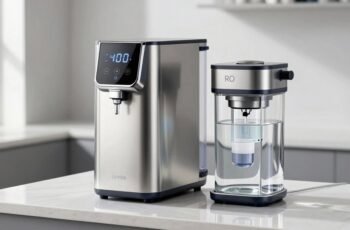
As we explore the scientific differences between hydrogen and alkaline water, it’s clear that both are marketed for potential health benefits, yet the evidence remains complex and often inconclusive. Understanding how each type interacts with the body requires careful analysis of their properties, production methods, and claimed effects. This comparison raises important questions about their actual efficacy and safety, prompting a closer look at what current research truly suggests about their roles in health and hydration.
Key Takeaways
- Hydrogen water contains dissolved H₂, primarily offering antioxidant and anti-inflammatory benefits, while alkaline water has a higher pH and mineral content aimed at neutralizing acidity.
- Hydrogen water’s benefits are supported by some studies on oxidative stress reduction, but long-term effects need more research; alkaline water’s benefits are less conclusive.
- Both waters have distinct compositions: hydrogen water via electrolysis or magnesium tablets, and alkaline water through mineralization or ionization processes.
- Excessive intake of alkaline water may disrupt pH balance, whereas hydrogen water’s safety profile is still under investigation.
- Scientific evidence for health claims remains limited; hydrogen water may aid recovery and inflammation, while alkaline water primarily influences hydration and acidity.
What Are Hydrogen Water and Alkaline Water? Key Differences Explained
Hydrogen water and alkaline water are two popular types of functional beverages often marketed for their health benefits, but they differ markedly in composition and purpose. Hydrogen water contains dissolved molecular hydrogen (H₂), which is believed to have antioxidant properties. Alkaline water, on the other hand, has a higher pH level—typically above 7—aimed at neutralizing acidity in the body. The primary distinction lies in their composition: hydrogen water emphasizes antioxidant potential through dissolved hydrogen molecules, while alkaline water focuses on altering the body’s pH balance. Their marketed benefits vary accordingly. Hydrogen water is often promoted for reducing oxidative stress, whereas alkaline water is claimed to improve hydration and decrease acidity. Understanding these differences helps clarify their respective roles in health and wellness trends.
How Is Hydrogen Water Made, and What Are Its Main Benefits?
Creating hydrogen water involves infusing regular water with molecular hydrogen (H₂) to harness its potential antioxidant effects. This process typically uses methods like electrolysis or magnesium-based tablets, which release H₂ into the water. Electrolysis involves passing an electric current through water to separate hydrogen and oxygen, resulting in hydrogen-rich water. Magnesium tablets react with water to produce hydrogen gas, providing a convenient alternative. The main benefits of hydrogen water include its potential to reduce oxidative stress, improve cellular health, and combat inflammation. Scientific studies suggest that molecular hydrogen acts selectively against harmful free radicals, potentially offering protective effects for various organs. While research continues, hydrogen water’s simple production process and promising antioxidant properties make it a notable addition to health-focused hydration.
What Makes Alkaline Water Different, and Why Do People Choose It?
Alkaline water is distinguished by its higher pH level, which some believe offers health benefits by neutralizing acidity. Its mineral content, including calcium and magnesium, is often linked to improved hydration and overall well-being. Many people choose alkaline water based on these perceived advantages, though scientific evidence remains mixed.
pH Level Advantages
The pH level of water considerably influences its potential health benefits and is a key factor that differentiates alkaline water from other types. Alkaline water typically has a pH above 7, often ranging from 8 to 9, which may help neutralize excess acidity in the body. This elevated pH can support maintaining a balanced internal environment, potentially reducing symptoms linked to acidity, such as acid reflux or fatigue. Conversely, regular tap or bottled water usually has a neutral pH around 7. The higher pH of alkaline water is often marketed as offering antioxidant properties, though scientific evidence remains mixed. Ultimately, the pH distinction appeals to consumers seeking a beverage that may contribute to overall acid-base balance and health optimization.
Mineral Content Benefits
Mineral content markedly distinguishes alkaline water from other types, influencing both its taste and potential health benefits. Alkaline water typically contains higher levels of minerals such as calcium, magnesium, and potassium, which naturally occur during mineralization or through ionization processes. These minerals are essential for various bodily functions, including maintaining bone health, muscle function, and nerve transmission. The presence of these nutrients can enhance the water’s flavor, often making it smoother and less metallic than other water sources. People choose alkaline water partly because they believe these minerals contribute to overall well-being, although scientific consensus on direct health impacts remains limited. Ultimately, the mineral profile of alkaline water offers a tangible difference, appealing to those seeking a drink with added nutritional value.
Perceived Health Improvements
Many individuals turn to alkaline water because of perceived health benefits that extend beyond its mineral content. These beliefs often influence consumer choices, despite limited scientific consensus. People commonly cite four key reasons:
- Gut health: Alkaline water’s pH may help balance stomach acidity.
- Hydration: Some believe it enhances hydration more effectively than regular water.
- Antioxidant properties: There’s a perception that alkaline water neutralizes free radicals.
- Detoxification: Many think it aids in eliminating toxins from the body.
While some studies suggest potential benefits, scientific evidence remains inconclusive. The perceived improvements are often subjective, driven by individual experiences and marketing claims. Understanding these perceptions helps clarify why alkaline water remains a popular choice.
The Science Behind Hydrogen Water’s Antioxidant Properties
Although the precise mechanisms remain under investigation, research indicates that hydrogen water exhibits potent antioxidant properties due to its ability to selectively neutralize harmful reactive oxygen species (ROS). This selective action is significant because ROS, in excess, contribute to cellular damage and various diseases. Hydrogen molecules can diffuse rapidly through cell membranes, allowing them to target intracellular ROS effectively. Unlike broad-spectrum antioxidants, hydrogen’s selectivity minimizes interference with beneficial ROS involved in normal cellular signaling. Studies suggest that hydrogen’s antioxidant effects may reduce oxidative stress and inflammation, potentially contributing to health benefits. However, while promising, the exact biochemical pathways and long-term impacts are still under active research, emphasizing the need for further studies to fully understand hydrogen water’s role in oxidative stress mitigation.
Does Alkaline Water Help Neutralize Body Acidity?
Building on the discussion of hydrogen water’s antioxidant properties, we now examine whether alkaline water can influence the body’s acidity levels. Alkaline water has a higher pH, typically above 7, which suggests it might neutralize excess acidity. However, the body’s acid-base balance is tightly regulated by organs like the kidneys and lungs.
Research indicates:
- Alkaline water may temporarily raise stomach pH, but effects on systemic acidity are limited.
- The body’s buffering systems quickly restore pH balance, minimizing long-term impact.
- Consuming alkaline water alone isn’t enough to substantially alter blood pH.
- Overall, evidence suggests limited capacity for alkaline water to neutralize body acidity beyond superficial effects.
Comparing the Health Claims: What Does Research Say About Hydrogen Water?
Research on hydrogen water suggests it may have antioxidant properties and anti-inflammatory effects, but the evidence varies in strength and scope. While some studies indicate potential long-term health benefits, more rigorous research is needed to confirm these claims. Understanding what current science supports helps us evaluate whether hydrogen water truly offers unique health advantages.
Antioxidant Properties Evidence
Many studies suggest that hydrogen water may possess notable antioxidant properties, but the scientific evidence remains mixed and warrants careful examination. Some research indicates that molecular hydrogen can neutralize harmful free radicals, potentially reducing oxidative stress. However, other studies show inconsistent results or lack substantial clinical data. To better understand the evidence, consider these points:
- Laboratory studies often demonstrate hydrogen’s ability to scavenge reactive oxygen species (ROS).
- Clinical trials show mixed outcomes regarding improvements in oxidative markers.
- Variability in hydrogen concentration and delivery methods complicates comparisons.
- Long-term effects and efficacy remain under-explored in large-scale research.
While promising, current evidence does not conclusively establish hydrogen water’s antioxidant benefits, emphasizing the need for further rigorous studies.
Anti-inflammatory Effects Studies
While evidence on hydrogen water’s antioxidant properties remains mixed, its potential anti-inflammatory effects are also under investigation. Several studies suggest that hydrogen water may reduce inflammation markers in conditions like metabolic syndrome and rheumatoid arthritis. For example, some clinical trials report decreased levels of pro-inflammatory cytokines after hydrogen water consumption, indicating a possible modulatory effect on immune response. However, these studies often involve small sample sizes and lack long-term follow-up, which limits definitive conclusions. The mechanisms behind such effects are still being explored, with hypotheses pointing to hydrogen’s ability to neutralize reactive species involved in inflammation. Overall, while preliminary data appear promising, more rigorous, large-scale research is necessary to confirm hydrogen water’s anti-inflammatory benefits and understand its potential role in managing inflammatory conditions.
Long-term Health Benefits
Although claims about hydrogen water’s long-term health benefits are widespread, scientific evidence supporting these assertions remains limited and inconclusive. Current studies primarily focus on short-term effects or animal models, making it difficult to draw definitive conclusions about long-term impacts. Research suggests potential benefits such as:
- Reduced oxidative stress, possibly lowering chronic disease risk
- Anti-inflammatory effects that may support immune health
- Improved metabolic markers in some preliminary studies
- Potential neuroprotective properties observed in early research
However, these findings are not yet robust enough for broad health claims. More exhaustive, long-term human studies are necessary to verify whether hydrogen water can reliably deliver sustained health benefits. As of now, the evidence remains promising but inconclusive.
Evaluating the Evidence for Alkaline Water’s Potential Benefits
Evaluating the evidence for alkaline water’s potential benefits requires a careful review of scientific studies and clinical trials. Current research presents mixed results, with some studies suggesting that alkaline water may help neutralize stomach acid or improve hydration, while others find limited or no significant effects. Many existing studies have small sample sizes, short durations, or lack rigorous controls, making it difficult to draw definitive conclusions. While some laboratory experiments indicate potential antioxidant properties, translating these findings to practical health benefits remains uncertain. Overall, the scientific community calls for more exhaustive, high-quality research to substantiate claims about alkaline water’s health effects. Until then, we should interpret existing evidence with caution and maintain a critical perspective.
Are There Any Risks or Limitations to Drinking Hydrogen or Alkaline Water?
Despite the growing popularity of hydrogen and alkaline water, it’s important to recognize that these beverages may carry certain risks or limitations. First, excessive consumption of alkaline water can disrupt the body’s natural pH balance, potentially leading to metabolic alkalosis. Second, hydrogen-rich water’s long-term safety remains under investigation, with limited data on widespread use. Third, some products may contain contaminants or inconsistent hydrogen levels, affecting efficacy and safety. Fourth, individuals with kidney disease or electrolyte imbalances should exercise caution, as altered mineral intake can worsen their condition. While both types of water offer potential benefits, understanding these risks helps guarantee informed consumption choices and highlights the need for ongoing research into their long-term safety profiles.
Which Water Is Better for Specific Health Goals or Conditions?
When considering hydration and athletic performance, hydrogen water’s enhanced antioxidant properties may support quicker recovery and reduced fatigue. For aging and oxidative stress, alkaline water’s potential to neutralize free radicals could offer some benefits. Ultimately, selecting the right water depends on specific health goals and individual needs.
Hydration and Athletic Performance
Choosing the right type of water for hydration can markedly impact athletic performance and recovery. Both hydrogen and alkaline water offer unique benefits, but their effectiveness depends on specific needs.
- Hydrogen water’s antioxidant properties may reduce exercise-induced oxidative stress, potentially enhancing recovery.
- Alkaline water’s higher pH can help neutralize acid buildup during intense activity, possibly reducing fatigue.
- Hydration efficacy depends on mineral content; alkaline water often contains more electrolytes, supporting fluid balance.
- The rapid absorption of hydrogen molecules might improve cellular hydration, aiding endurance and performance.
While research remains limited, analyzing these factors helps determine which water aligns best with athletic goals, emphasizing hydration’s role in optimizing performance and recovery.
Antioxidant Benefits and Aging
Both hydrogen and alkaline water are often promoted for their potential health benefits, particularly in combating oxidative stress and supporting aging-related concerns. Hydrogen water contains molecular hydrogen, which acts as a potent antioxidant by neutralizing free radicals, potentially reducing cellular damage linked to aging. Alkaline water, on the other hand, is believed to neutralize excess acidity in the body, which some studies suggest may influence oxidative processes indirectly. However, scientific evidence supporting the superiority of either water for antioxidant benefits remains limited. While some research indicates hydrogen’s direct free radical scavenging ability, the overall impact of alkaline water on oxidative markers is less conclusive. Ultimately, both types may offer some antioxidant advantages, but further research is needed to determine which is more effective for age-related health goals.
Making an Informed Choice: Should You Drink Hydrogen or Alkaline Water?
Determining whether to drink hydrogen or alkaline water depends on understanding their distinct benefits and limitations. Both types offer unique health claims, but scientific evidence varies. To make an informed choice, consider these factors:
- Health Goals: Hydrogen water may support antioxidant activity, while alkaline water aims to balance pH levels.
- Scientific Support: Hydrogen’s benefits are backed by more clinical studies; alkaline water’s effects are less conclusive.
- Cost and Accessibility: Hydrogen water often requires specialized equipment; alkaline water is more readily available.
- Potential Risks: Excessive alkaline intake could disrupt stomach acidity; hydrogen water generally has a favorable safety profile.
Ultimately, aligning your choice with your health priorities and consulting healthcare professionals ensures a more informed decision.
Frequently Asked Questions
How Long Do Hydrogen and Alkaline Water Benefits Last?
We find that hydrogen water benefits typically last a few hours, while alkaline water effects can persist longer, potentially up to a day. However, individual responses vary, and consistent consumption is recommended for sustained benefits.
Can Hydrogen or Alkaline Water Improve Athletic Performance?
While some studies suggest hydrogen or alkaline water might subtly support athletic performance, evidence remains limited. We believe moderation and proper training are key, as these waters could offer minor benefits but shouldn’t replace proven training and nutrition strategies.
Are There Any Known Side Effects of Long-Term Consumption?
Long-term consumption of hydrogen or alkaline water generally shows minimal side effects, but some individuals might experience gastrointestinal discomfort or imbalances. We recommend consulting healthcare professionals to assess personal health risks before regular, prolonged use.
How Do Storage Methods Affect Hydrogen and Alkaline Water Quality?
Storage methods considerably impact water quality; hydrogen water should be kept in airtight, opaque containers to prevent oxidation, while alkaline water remains stable longer in sealed, non-reactive bottles, ensuring ideal pH and mineral integrity over time.
What Are the Cost Differences Between Hydrogen and Alkaline Water?
We find hydrogen water considerably more expensive than alkaline water due to advanced electrolysis technology and storage requirements. While alkaline water remains affordable with simple filtration, hydrogen’s costs escalate with production, storage, and equipment, impacting long-term affordability.
Conclusion
Ultimately, choosing between hydrogen and alkaline water isn’t about a clear-cut winner but about understanding their nuanced effects. While hydrogen water’s antioxidant claims are promising, the evidence remains inconclusive, and alkaline water’s benefits are often overstated. So, as we navigate these hydration options, it’s worth remembering that our body’s complex systems often do more than any bottled miracle. Sometimes, plain water and a balanced diet still do the trick—no fancy label required.