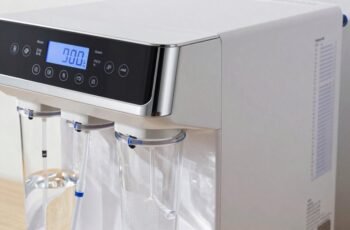
Did you know that while both reverse osmosis and ionized water aim to improve water quality, they do so through fundamentally different mechanisms? Reverse osmosis relies on a semi-permeable membrane for physical filtration, removing nearly all contaminants including beneficial minerals, whereas ionized water undergoes electrolysis to modify its ionic content, often enriching it with minerals and antioxidants. Understanding these technical differences can substantially influence which method best suits your health and safety priorities, making it essential to analyze their respective strengths and limitations.
Key Takeaways
- Reverse osmosis physically filters out contaminants, while ionized water chemically alters water’s ionic composition and pH.
- RO offers high removal of heavy metals and pathogens, but may deplete beneficial minerals.
- Ionized water enhances antioxidant properties and retains minerals, but long-term health benefits lack conclusive scientific evidence.
- RO systems are energy-intensive with wastewater generation; ionizers are generally lower cost but require electrode maintenance.
- Choice depends on health goals: contaminant removal versus mineral enrichment and antioxidant benefits.
How Do Reverse Osmosis and Ionized Water Differ in Purification?
Although both reverse osmosis and ionized water purification aim to improve water quality, they operate through fundamentally different mechanisms. Reverse osmosis employs a semi-permeable membrane that filters out contaminants by applying pressure, removing dissolved solids, bacteria, viruses, and chemicals. This process is driven by physical separation, resulting in purified water with minimal inorganic impurities. In contrast, ionized water purification typically involves electrolysis, where water passes through electrically charged plates that alter its pH and mineral content. This process selectively modifies water’s ionic composition, generating alkaline or acidic water with varying properties. While reverse osmosis focuses on physical removal of impurities, ionization primarily alters water’s chemical characteristics. These fundamental differences define their distinct roles and efficiencies in water treatment applications.
What Are the Key Benefits of Reverse Osmosis Water?
Reverse osmosis water provides significant benefits through its ability to effectively remove a wide range of contaminants, including heavy metals, bacteria, and chemicals. This process also enhances water taste by eliminating impurities that cause unpleasant flavors. Additionally, consuming purified water can support better health by reducing exposure to potentially harmful substances.
Removes Contaminants Effectively
Because reverse osmosis systems utilize a semi-permeable membrane, they are highly effective at removing a broad spectrum of contaminants from water. This membrane selectively filters out impurities based on molecular size, ensuring thorough purification. Key benefits include:
- Elimination of heavy metals such as lead, arsenic, and mercury, which pose serious health risks.
- Reduction of organic compounds like pesticides, herbicides, and volatile organic chemicals (VOCs), lowering carcinogenic and endocrine-disrupting potential.
- Removal of pathogens including bacteria and viruses, enhancing overall safety and water quality.
Research indicates that RO systems can achieve contaminant removal efficiencies of over 99%, making them one of the most effective filtration methods for ensuring clean, safe drinking water in both residential and industrial applications.
Improves Water Taste
Have you ever noticed how water purified through reverse osmosis systems often tastes noticeably cleaner and fresher? This improvement results from the system’s ability to remove dissolved impurities, such as chlorine, organic compounds, and other volatile substances that can cause off-flavors. By filtering out these contaminants, reverse osmosis enhances the water’s purity, leading to a more neutral and crisp taste profile. Scientific studies confirm that the reduction of residual chlorine and volatile organic compounds directly correlates with increased palatability. Unlike other filtration methods, reverse osmosis provides an all-encompassing purification process, ensuring that even minute taste-altering substances are eliminated. Consequently, consumers experience water that not only meets safety standards but also offers a markedly improved sensory experience.
Promotes Better Health
Consuming water that has undergone reverse osmosis considerably reduces exposure to harmful contaminants, thereby promoting better overall health. This process effectively removes bacteria, viruses, heavy metals, and chemical pollutants, which are linked to various health issues. The key benefits include:
- Reduced risk of waterborne illnesses: By eliminating pathogens, reverse osmosis minimizes the chance of gastrointestinal infections and other infectious diseases.
- Lower chemical exposure: It filters out pesticides, pharmaceuticals, and industrial chemicals, decreasing the likelihood of chronic health conditions related to chemical accumulation.
- Improved hydration quality: Cleaner water enhances absorption and reduces the intake of potentially harmful dissolved solids, supporting ideal bodily functions.
Why Consider Ionized Water for Your Health?
Research indicates that ionized water exhibits higher antioxidant activity, which can help neutralize free radicals more effectively. Additionally, its smaller molecular clusters may improve hydration efficiency at the cellular level. These factors suggest that ionized water offers measurable health benefits worth considering.
Enhanced Antioxidant Properties
Because ionized water contains increased levels of antioxidants, it may offer superior protection against oxidative stress—a key factor in aging and chronic disease development. The ionization process generates molecular hydrogen and hydroxide ions, both of which are potent antioxidants. Scientific studies suggest that:
- Molecular hydrogen selectively neutralizes harmful free radicals like hydroxyl radicals, reducing cellular damage.
- The increased antioxidant capacity of ionized water can diminish oxidative markers linked to chronic illnesses.
- These antioxidants may improve mitochondrial function, enhancing cellular energy production and resilience.
This evidence indicates that ionized water’s elevated antioxidant content could contribute markedly to health maintenance by mitigating oxidative damage and supporting cellular integrity.
Better Hydration Benefits
Have you ever considered that not all water hydrates equally? Ionized water’s unique properties may enhance hydration efficiency through smaller, micro-clustered molecules, which penetrate cell membranes more readily than typical filtered water. Scientific studies suggest that ionization increases water’s bioavailability, allowing faster and more sustained hydration. Additionally, ionized water’s elevated pH levels can neutralize acidity in the body, promoting better cellular function. Unlike reverse osmosis water, which often lacks essential minerals, ionized water retains beneficial minerals that support electrolyte balance. This mineral content, combined with its micro-clustered structure, facilitates *ideal* hydration, aiding in metabolic processes, detoxification, and overall health. Evidence indicates that these properties make ionized water a more effective option for maintaining proper hydration and supporting bodily functions.
How Do the Costs and Maintenance Compare?
When comparing the costs and maintenance requirements of reverse osmosis (RO) systems and ionized water machines, it’s essential to take into account both initial investments and ongoing expenses. RO systems typically involve higher upfront costs due to advanced filtration components and installation. Maintenance primarily includes replacing pre-filters, post-filters, and membrane elements, which generally occurs every 6-12 months. Ionized water machines usually have lower initial costs but may require frequent electrode replacements and periodic cleaning. Specifically:
- RO systems demand significant initial investment but lower recurring costs due to long-lasting filters.
- Ionized water machines have lower upfront prices but higher ongoing electrode replacement costs.
- Both systems require regular sanitation, but maintenance frequency varies based on usage and water quality.
Which Water Type Suits Different Lifestyles and Uses?
Selecting the appropriate water type depends heavily on individual lifestyles and specific usage requirements. For active families, ionized water’s mineral content can support electrolyte balance and overall health. Conversely, households prioritizing purity might prefer reverse osmosis, which effectively removes contaminants. To clarify, consider this comparison:
| Lifestyle/Use | Suitable Water Type |
|---|---|
| Health-conscious individuals | Ionized water for minerals and antioxidants |
| Cooking and beverage prep | Reverse osmosis for purity |
| Athletes or active users | Ionized water for hydration |
| Small children or immunocompromised | Reverse osmosis for safety |
| Long-term sustainability | Ionized water’s mineral benefits |
This analysis shows how specific needs guide water choice, balancing health benefits and purity.
Are There Any Drawbacks to Reverse Osmosis or Ionized Water?
While both reverse osmosis and ionized water offer notable benefits, they also present specific drawbacks that consumers should consider.
- Reverse osmosis can remove beneficial minerals like calcium and magnesium, potentially leading to mineral deficiencies if not supplemented.
- The process is energy-intensive and generates wastewater, raising environmental concerns and increasing operational costs.
- Ionized water’s high pH level may cause gastrointestinal discomfort or disrupt stomach acidity in some individuals. Additionally, its long-term health benefits lack conclusive scientific validation.
Both systems require regular maintenance to prevent bacterial growth or contamination, which can add to ongoing costs. Understanding these limitations helps consumers make informed decisions aligned with their health needs and environmental considerations.
How Can You Decide Which Water Is Right for You?
Deciding which type of water best suits your needs involves evaluating both the health benefits and potential drawbacks of reverse osmosis and ionized water, grounded in scientific evidence. Reverse osmosis effectively reduces contaminants and dissolved solids, providing purified water with minimal impurities, but it also strips beneficial minerals, potentially impacting mineral intake. Ionized water, on the other hand, claims to offer antioxidant properties and alkaline benefits, though scientific consensus on these claims remains limited. To choose appropriately, consider your specific health needs, such as mineral intake or detoxification goals, and assess the quality of your local water supply. Ultimately, consulting with healthcare professionals and reviewing current research can help you make an informed decision aligned with your health priorities.
Frequently Asked Questions
How Does Mineral Content Differ Between Reverse Osmosis and Ionized Water?
Reverse osmosis water has remarkably reduced mineral content, often removing essential minerals, whereas ionized water contains minerals that are electrically charged, enhancing bioavailability. We analyze these differences to determine health impacts and ideal hydration choices for consumers.
Can Ionized Water Help With Specific Health Conditions?
Ionized water may support health conditions like acid reflux and oxidative stress due to its antioxidant properties, but evidence is limited. We recommend consulting healthcare professionals for personalized advice, as research is still emerging on its therapeutic benefits.
Are There Environmental Impacts Associated With Each Water Type?
Are we considering environmental impacts? Reverse osmosis produces wastewater and energy use, while ionized water systems often require electricity and maintenance, but both have varying ecological footprints depending on their efficiency and resource sources.
How Do Flavor Profiles Compare Between Reverse Osmosis and Ionized Water?
We find reverse osmosis water typically has a neutral, flat flavor due to mineral removal, while ionized water’s pH adjustment can impart a slightly metallic or alkaline taste, affecting overall flavor profiles and consumer preferences in various applications.
Is One Water Type More Suitable for Cooking and Beverage Preparation?
We find ionized water generally better for cooking and beverages, as its mineral content enhances flavor and pH stability. Studies show mineral-rich water improves taste perception, making it preferable for culinary uses over the more purified reverse osmosis water.
Conclusion
In conclusion, selecting between reverse osmosis and ionized water depends on your priorities—purity versus mineral content. Studies show that over 90% of households experience varying water quality issues, emphasizing the importance of tailored solutions. While RO provides exceptional contaminant removal, ionized water offers potential health benefits through mineralization. By analyzing your specific needs, water quality, and lifestyle, you can make an informed, evidence-based choice that optimizes both safety and health outcomes.