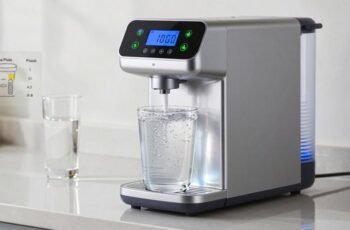
When choosing between hydrogen tablets and water ionizers, it’s important to take into account how each method aligns with our health goals, lifestyle, and budget. Both offer unique advantages and limitations that can considerably impact long-term wellness. Understanding these differences can help us make an informed decision, but the best option isn’t always obvious. Let’s explore how these alternatives compare across key factors to identify what might work best for us.
Key Takeaways
- Hydrogen tablets provide quick, concentrated hydrogen intake but have a short-lived effect, while water ionizers offer continuous, sustained hydrogen production.
- Tablets are portable and convenient for on-the-go use; ionizers require initial installation but support long-term, daily hydration.
- Water ionizers also adjust pH and produce alkaline water, supporting overall hydration and pH balance, unlike hydrogen tablets.
- Tablets tend to have lower initial costs but higher recurring expenses; ionizers involve higher upfront costs with lower long-term costs.
- Ionizers generally have a longer lifespan and require maintenance, whereas tablets are single-use with limited longevity.
How Do Hydrogen Tablets and Water Ionizers Work?
Hydrogen tablets and water ionizers both aim to boost the hydrogen content in drinking water, but they do so through different mechanisms. Hydrogen tablets release hydrogen gas when dissolved, typically through a chemical reaction involving a reactant like magnesium. This process results in hydrogen-rich water within minutes, but the concentration decreases over time. Water ionizers, on the other hand, use electrolysis to split water into alkaline and acidic streams. The electrolysis process increases the hydrogen content in the alkaline water, which is then consumed directly. While tablets rely on chemical reactions to generate hydrogen, ionizers depend on electrical current to produce hydrogen-enriched water continuously. Both methods aim to increase hydrogen levels but operate through fundamentally different physical and chemical processes.
Comparing the Health Benefits of Hydrogen Tablets and Water Ionizers
While both hydrogen tablets and water ionizers aim to enhance the potential health benefits of hydrogen-rich water, their effectiveness can vary based on how each method delivers molecular hydrogen. Hydrogen tablets release hydrogen quickly when dissolved, providing an immediate but short-lived boost. In contrast, water ionizers produce hydrogen continuously as water passes through electrolysis, potentially offering more consistent exposure over time. Scientific studies suggest that hydrogen’s antioxidant properties may reduce inflammation and support cellular health, but the degree of benefit depends on hydrogen concentration and bioavailability. Tablets may offer a rapid intake, but the stability of hydrogen afterward can be limited. Water ionizers, with their ongoing hydrogen generation, might provide more sustained antioxidant effects, though individual results can vary based on usage and water quality.
Convenience and Ease of Use: Which Option Fits Your Lifestyle?
Choosing between hydrogen tablets and water ionizers often hinges on how easily each option can be integrated into daily routines. Hydrogen tablets offer portability and simplicity; they require only dissolving a tablet in water, making them convenient for on-the-go use or quick preparation at home. Water ionizers, on the other hand, involve installing a device that filters and electrolyzes water continuously, which may be more suitable for those seeking long-term, consistent access to ionized water without additional steps. The tablet method provides immediate, flexible use but demands remembering to carry supplies. Ionizers demand an upfront setup but offer uninterrupted convenience once installed. Ultimately, the decision depends on individual lifestyle preferences, balancing portability against the desire for a hands-free, ongoing solution.
Cost Analysis: Are Hydrogen Tablets or Water Ionizers More Budget-Friendly?
When evaluating the cost-effectiveness of hydrogen tablets versus water ionizers, it’s important to think about both upfront expenses and ongoing costs. Hydrogen tablets typically have a lower initial price, making them more accessible for short-term use. However, the need for regular repurchase can make long-term costs add up. Water ionizers, on the other hand, often require a higher initial investment but incur minimal ongoing expenses, mostly for maintenance or filter replacements. Over time, the cumulative cost of hydrogen tablets can surpass that of a water ionizer, especially if used frequently. Consequently, while hydrogen tablets may seem cheaper initially, water ionizers tend to be more budget-friendly over the long haul, especially for consistent, daily use.
Durability and Maintenance of Hydrogen Tablets vs Water Ionizers
Hydrogen tablets generally have a limited lifespan, as their effectiveness diminishes after a single use, requiring regular repurchase to maintain their benefits. In contrast, water ionizers are more durable, with some lasting several years with proper maintenance. When considering maintenance:
Hydrogen tablets need frequent reordering, while water ionizers offer long-term durability with proper maintenance.
- Hydrogen tablets need consistent reordering, which can become costly over time.
- Water ionizers require periodic filter replacements and occasional cleaning.
- Tablets are portable and simple, with minimal upkeep.
- Ionizers demand more technical upkeep but offer long-term sustainability.
Which Provides Better Water Quality and pH Balance?
Hydrogen tablets and water ionizers differ markedly in their ability to improve water quality and maintain pH balance. Hydrogen tablets offer a quick, portable solution that provides molecular hydrogen, which has antioxidant properties, but they don’t substantially alter the water’s pH. Conversely, water ionizers actively modify water’s pH by electrolysis, producing alkaline water with higher pH levels, which some believe benefits health. However, the pH balance can vary depending on the device’s settings and water source. While ionizers can effectively raise pH, they may not always guarantee consistent water quality, especially if maintenance is neglected. Hydrogen tablets deliver a more uniform hydrogen concentration but lack the pH-adjusting capabilities. Overall, ionizers tend to provide more extensive control over water’s pH, whereas tablets focus on hydrogen content.
Environmental Impact of Using Hydrogen Tablets and Water Ionizers
Both hydrogen tablets and water ionizers have environmental footprints that merit consideration, particularly regarding manufacturing emissions, waste management, and energy use. We need to evaluate how their production processes and disposal methods impact sustainability. Understanding these factors helps us assess their overall environmental viability.
Manufacturing Carbon Footprint
While hydrogen tablets and water ionizers both aim to improve water quality, their manufacturing processes differ considerably in environmental impact. Hydrogen tablets typically require energy-intensive chemical synthesis and packaging, resulting in a higher carbon footprint. In contrast, water ionizers involve complex electronics and metal components, which demand substantial resource extraction and manufacturing energy. Specifically:
- Hydrogen tablet production relies on chemical processes that emit greenhouse gases.
- Water ionizer manufacturing involves mining and refining metals like titanium and platinum.
- The energy consumption during both manufacturing stages varies, often favoring water ionizers due to established industrial processes.
- Transportation of raw materials and finished products adds to the overall carbon footprint for both, but the chemical synthesis of tablets generally has a more significant impact.
Waste Generation and Disposal
The waste generated from using hydrogen tablets and water ionizers varies considerably in relation to environmental impact. Hydrogen tablets produce minimal solid waste, mainly the packaging and residual tablets, which often require proper disposal to prevent environmental contamination. Their biodegradable nature reduces long-term waste concerns but depends on packaging materials. Conversely, water ionizers generate little physical waste but produce electrical and chemical byproducts, such as filter cartridges and maintenance residues, which can contribute to electronic and chemical waste streams. Proper disposal of filters is essential, as they contain materials that may leach harmful substances if discarded improperly. Overall, hydrogen tablets tend to generate less waste overall, but the environmental footprint depends heavily on packaging and disposal practices. Water ionizer waste management centers on responsible handling of consumables and electronic components.
Energy Consumption Factors
Evaluating the environmental impact of energy consumption for hydrogen tablets and water ionizers requires examining their respective operational efficiencies and energy sources. Hydrogen tablets typically involve manufacturing processes that consume energy, but their usage is minimal once produced. Water ionizers, on the other hand, rely on electricity, which varies in environmental impact depending on the energy source.
Key factors include:
- The source of electricity—renewables reduce environmental footprint compared to fossil fuels.
- Energy efficiency—the amount of energy used per unit of water processed.
- Manufacturing energy costs—higher for hydrogen tablets due to production complexity.
- Lifespan and maintenance—longer-lasting devices may spread energy costs over time.
Understanding these elements helps us assess their true environmental impacts objectively.
Which Is the Better Choice for Your Wellness Goals?
Deciding between hydrogen tablets and water ionizers depends on your specific wellness goals, as each offers distinct benefits that align differently with individual health priorities. Hydrogen tablets are portable and easy to use, making them suitable for targeted antioxidant support and quick intake. They provide a concentrated dose of hydrogen, which may be beneficial for reducing oxidative stress. Water ionizers, on the other hand, produce consistently alkaline water, which can support hydration, pH balance, and long-term health. They are more suitable for daily, sustained use and those seeking ongoing control over water quality. Ultimately, your choice should consider convenience, cost, and your particular health objectives—whether you prioritize portability and simplicity or continuous, integrated benefits.
Frequently Asked Questions
Are Hydrogen Tablets Safe for Daily Consumption?
Yes, hydrogen tablets are generally safe for daily consumption when used as directed, but we recommend consulting a healthcare professional beforehand, especially if you have underlying health conditions, to guarantee proper dosage and avoid potential interactions.
Can Water Ionizers Be Used With Any Tap Water?
Water ionizers generally require filtered, clean tap water for reliable function and longevity. Using unfiltered or contaminated water can damage the device or reduce water quality, so it’s best to guarantee your tap water meets the necessary standards.
Do Hydrogen Tablets Have a Limited Shelf Life?
Yes, hydrogen tablets do have a limited shelf life, typically around one to two years. We recommend storing them in a cool, dry place to maintain potency, ensuring you get the full health benefits when used.
How Long Does It Take to See Health Benefits?
We typically see health benefits within a few weeks of consistent use, though individual responses vary based on lifestyle and health status. Regular consumption and adherence are key to experiencing potential antioxidant and energy-boosting effects.
Are There Any Side Effects Associated With Either Option?
We’ve found that hydrogen tablets may cause mild stomach discomfort in some users, while water ionizers generally have no significant side effects. It is crucial to consult a healthcare professional to assess personal risks before use.
Conclusion
In weighing hydrogen tablets against water ionizers, we see distinct advantages and drawbacks for each. Tablets offer quick, portable antioxidant boosts, while ionizers provide sustained hydration and pH balance. Considering cost, maintenance, and environmental impact, the choice ultimately depends on your long-term wellness goals. As we navigate these options, it’s clear that both technologies serve valuable roles—much like choosing between a trusty steed and a swift carriage—to support your health journey effectively.