Just as a precise instrument demands careful calibration, a water ionizer requires meticulous maintenance to perform at its best. Over time, internal components can develop issues that compromise water quality and device longevity. Ensuring these elements are properly inspected and serviced is essential, yet the complexity involved means many overlook the crucial details. Understanding the importance of professional care becomes indispensable to preserving efficiency and safety—an aspect worth exploring in detail.
Key Takeaways
- Schedule regular internal flushing and electrode cleaning using manufacturer-approved agents to prevent mineral buildup and ensure optimal performance.
- Conduct periodic filter inspections and replacements to maintain water quality and prevent clogging or contamination.
- Monitor system performance indicators such as pH levels, ionization efficiency, and error codes for early detection of issues.
- Perform detailed inspections for leaks, corrosion, or component wear, addressing mechanical or electrical faults promptly.
- Engage certified technicians for calibration, complex repairs, and troubleshooting persistent issues beyond routine maintenance.
Why Regular Maintenance Is Crucial for Water Ionizers
Regular maintenance of water ionizers is essential to guarantee peak performance and longevity. Consistent upkeep ensures that internal components, such as electrodes and filters, function effectively by preventing mineral buildup, scaling, and corrosion. Over time, mineral deposits reduce ion exchange efficiency, impairing pH balance and hydrogen production. Regular inspection and maintenance help identify early signs of wear, allowing timely intervention before critical failures occur. Precise calibration of electrical settings relies on a clean, well-maintained system to deliver consistent alkaline and acidic water. Neglecting maintenance accelerates component degradation, potentially voiding warranties and increasing repair costs. Thus, a meticulous maintenance schedule, focused on preserving component integrity and system calibration, is fundamental for sustaining the ionizer’s efficacy and extending its operational lifespan.
How to Clean Your Water Ionizer Properly
To guarantee peak performance and prevent mineral buildup, it’s essential to clean your water ionizer thoroughly and methodically. Proper cleaning involves a systematic approach to eliminate residual minerals and biofilm that can impair function.
- Prepare cleaning solution: Use a specialized descaling agent or a mixture of white vinegar and water, ensuring the solution is compatible with your device.
- Circulate solution: Run the cleaning solution through the machine’s internal channels by activating the cleaning cycle or manually pumping it through the system, ensuring contact with all surfaces.
- Rinse thoroughly: Flush the system multiple times with clean, filtered water to remove any residue, preventing flavor contamination or damage.
Meticulous adherence to these steps ensures maximum ionizer performance and longevity.
Replacing and Maintaining Electrodes and Filters
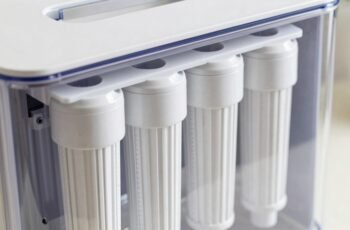
After thoroughly cleaning your water ionizer, attention must turn to the maintenance and replacement of key components such as electrodes and filters. Electrodes are subject to mineral buildup and electrode degradation, which impair ionization efficiency. Regular inspection involves checking for scale deposits and measuring voltage output; cleaning with a specialized electrode brush and descaling solution is essential. When electrodes show significant wear or diminished performance, replacement is necessary to restore peak function. Filters, meanwhile, accumulate impurities and sediment over time, reducing water quality and flow rate. Routine filter replacement, based on manufacturer guidelines, ensures consistent filtration efficiency. Proper handling of replacement parts, including precise installation and calibration, is critical to maintaining the ionizer’s longevity and performance. Meticulous adherence to these maintenance protocols guarantees sustained peak operation.
Troubleshooting Common Water Ionizer Issues
We systematically identify common malfunctions by analyzing error codes, water flow irregularities, and electrode performance. Effective troubleshooting involves verifying power connections, inspecting for blockages, and testing electrode integrity. Precise diagnostic steps ensure prompt resolution and ideal ionizer operation.
Identifying Common Malfunctions
Identifying common malfunctions in water ionizers requires a systematic approach to diagnosing issues based on observed symptoms. First, evaluate the device’s power and display indicators to rule out electrical or connection failures. Second, assess water flow and pH levels; inconsistencies here often point to clogging or electrode degradation. Third, listen for unusual noises or leaks, which can signal mechanical or seal failures. Recognizing these symptoms helps pinpoint issues such as:
- Electrode buildup or corrosion — affecting ionization efficiency.
- Clogged filters or mineral deposits — reducing water flow and performance.
- Electrical malfunctions or faulty sensors — causing inaccurate pH readings or device shutdowns.
Meticulous observation of these signs enables targeted diagnosis, minimizing downtime and preventing further damage.
Effective Troubleshooting Steps
Once potential malfunctions have been identified through symptom observation, implementing systematic troubleshooting steps becomes essential to restoring ideal device performance. We approach this methodically, isolating possible causes and addressing them efficiently. First, verify power supply and connections to rule out electrical issues. Next, inspect the electrode plates for mineral buildup or damage, cleaning or replacing as necessary. If water flow is irregular, examine filters and inlet valves for obstructions. Finally, calibrate the pH and ORP settings if readings are inconsistent. Use the table below for clear guidance:
| Issue | Troubleshooting Action |
|---|---|
| Low water output | Check filters and inlet valves |
| Inconsistent pH levels | Recalibrate device or inspect electrodes |
| No power or device won’t turn on | Inspect power connection and switch |
Best Practices for Descaling and Preventing Buildup
To maintain ideal performance and extend the lifespan of a water ionizer, implementing effective descaling and buildup prevention strategies is essential. Regular maintenance prevents mineral deposits from compromising functionality and efficiency. Key practices include:
- Scheduled Descaling: Use manufacturer-recommended descaling agents at regular intervals based on water hardness levels, ensuring mineral buildup is effectively dissolved without damaging internal components.
- Water Quality Monitoring: Continuously assess water source mineral content; consider installing pre-filtration systems to reduce calcium and magnesium concentrations before they reach the ionizer.
- Operational Optimization: Run the unit at peak settings, avoiding prolonged idle periods, and immediately flush the system after use to prevent stagnation and mineral accumulation.
Adhering to these practices guarantees reliability and prolongs device longevity through meticulous mineral management.
Ensuring Water Quality and Purity During Maintenance
Maintaining water quality and purity during maintenance is critical to ensuring the ideal functioning and longevity of your water ionizer. To achieve this, we carefully isolate the system from external contaminants by thoroughly flushing the unit with purified water before and after any servicing. We utilize high-grade, non-abrasive cleaning agents compatible with the system’s materials to prevent chemical leaching. Throughout maintenance, we monitor water parameters such as pH and mineral content to detect any deviations that could compromise purity. Filtration systems are inspected and replaced as necessary, ensuring no residual impurities remain. Precise adherence to sanitization protocols, including the use of food-grade disinfectants, guarantees microbial control without introducing contaminants. This meticulous approach preserves water integrity, supporting ideal ionization performance and extending device lifespan.
Maintaining Your Water Ionizer’s Internal Components
After ensuring water quality and purity during maintenance, attention turns to the internal components of the water ionizer. Proper upkeep is essential to maintain peak performance and longevity.
- Electrode Cleaning: Regularly inspect and carefully clean the electrodes with a non-abrasive brush and a specialized cleaning solution to prevent mineral buildup that impairs ionization efficiency.
- Membrane Inspection: Check the membrane for signs of wear, fouling, or tears; clean or replace as needed to sustain proper water flow and ion exchange rates.
- Internal Flushing: Perform controlled internal flushing using manufacturer-approved cleaning agents to remove residual contaminants and mineral deposits, ensuring consistent electrolysis.
Meticulous attention to these internal components preserves functionality, prevents damage, and maintains water quality throughout the device’s lifespan.
When to Call a Professional for Water Ionizer Servicing
While routine maintenance can address many common issues, there are specific signs indicating that professional servicing is necessary. If you notice persistent drops in water ionization levels despite cleaning, it suggests internal component degradation requiring expert assessment. Unusual noises, such as grinding or clicking during operation, often point to motor or valve malfunctions that demand specialized diagnostics. Consistent error codes or system shutdowns, especially after performing standard troubleshooting, indicate deeper electrical or electronic faults. Additionally, persistent leaks or water pooling around the unit may signify seal failures or internal corrosion, necessitating professional intervention. Finally, if your water quality deteriorates, with abnormal pH levels or off-tastes, it’s prudent to seek expert calibration and repair to preserve performance and safety.
Frequently Asked Questions
How Often Should I Schedule Professional Water Ionizer Servicing?
We recommend scheduling professional water ionizer servicing every 6 to 12 months, depending on usage and water quality. Regular maintenance guarantees peak performance, prevents mineral buildup, and extends the lifespan of your device, maintaining safe, high-quality water output.
Can I Use Household Cleaning Products to Maintain My Water Ionizer?
Using household cleaning products on your water ionizer is like releasing chaos—these substances can damage delicate components. We meticulously recommend only manufacturer-approved cleaning agents, ensuring peak performance and longevity, avoiding costly repairs and maintaining pure, healthy water.
What Are the Signs My Water Ionizer Needs Urgent Repair?
We notice reduced alkaline or acidic output, persistent foul odors, inconsistent pH levels, unusual noises, or error messages on the display, indicating urgent repair is necessary to prevent further damage and guarantee peak water ionizer performance.
Are There Specific Maintenance Tips for Different Water Ionizer Brands?
Yes, different brands require specific maintenance procedures; always consult the manufacturer’s manual for detailed guidelines. We recommend regular cleaning, filter replacement, and calibration tailored to each device’s design, ensuring peak performance and longevity.
How Does Maintenance Impact the Lifespan of My Water Ionizer?
Regular, meticulous maintenance greatly extends your water ionizer’s lifespan by preventing mineral buildup and component wear. Although it requires effort, diligent upkeep guarantees ideal performance, reduces costly repairs, and ensures consistent access to healthy, ionized water over years.
Conclusion
Regular professional maintenance guarantees peak performance, prolongs lifespan, and guarantees water purity. It prevents internal issues, minimizes breakdowns, and preserves ionization consistency. By adhering to best practices, performing thorough inspections, and addressing problems early, we maintain device integrity and water quality. Consistent, meticulous care isn’t just a routine—it’s a commitment to excellence, precision, and safety. Ultimately, diligent maintenance safeguards your investment and guarantees you receive the highest quality alkaline water every time.